Introduction
Proper installation is critical to maximizing the performance and lifespan of composite access covers. This FRP manhole cover installation guide provides contractors, B2B buyers, and installation crews with a comprehensive walkthrough covering everything from site preparation to final sealing. Whether you are working on a municipal roadway project, a commercial development, or an industrial facility, following the correct installation procedures ensures safety, structural integrity, and long-term durability.
Fiberglass Reinforced Plastic (FRP) manhole covers have gained widespread adoption across infrastructure projects worldwide. Their lightweight construction, corrosion resistance, and high load-bearing capacity make them an excellent alternative to traditional cast iron and concrete covers. However, realizing these benefits depends entirely on proper installation techniques.
This guide covers the essential tools, step-by-step installation process, safety precautions, common mistakes, and maintenance recommendations. By the end, you will have the knowledge to execute a professional-grade FRP manhole cover installation on any project site.
What Is an FRP Manhole Cover?
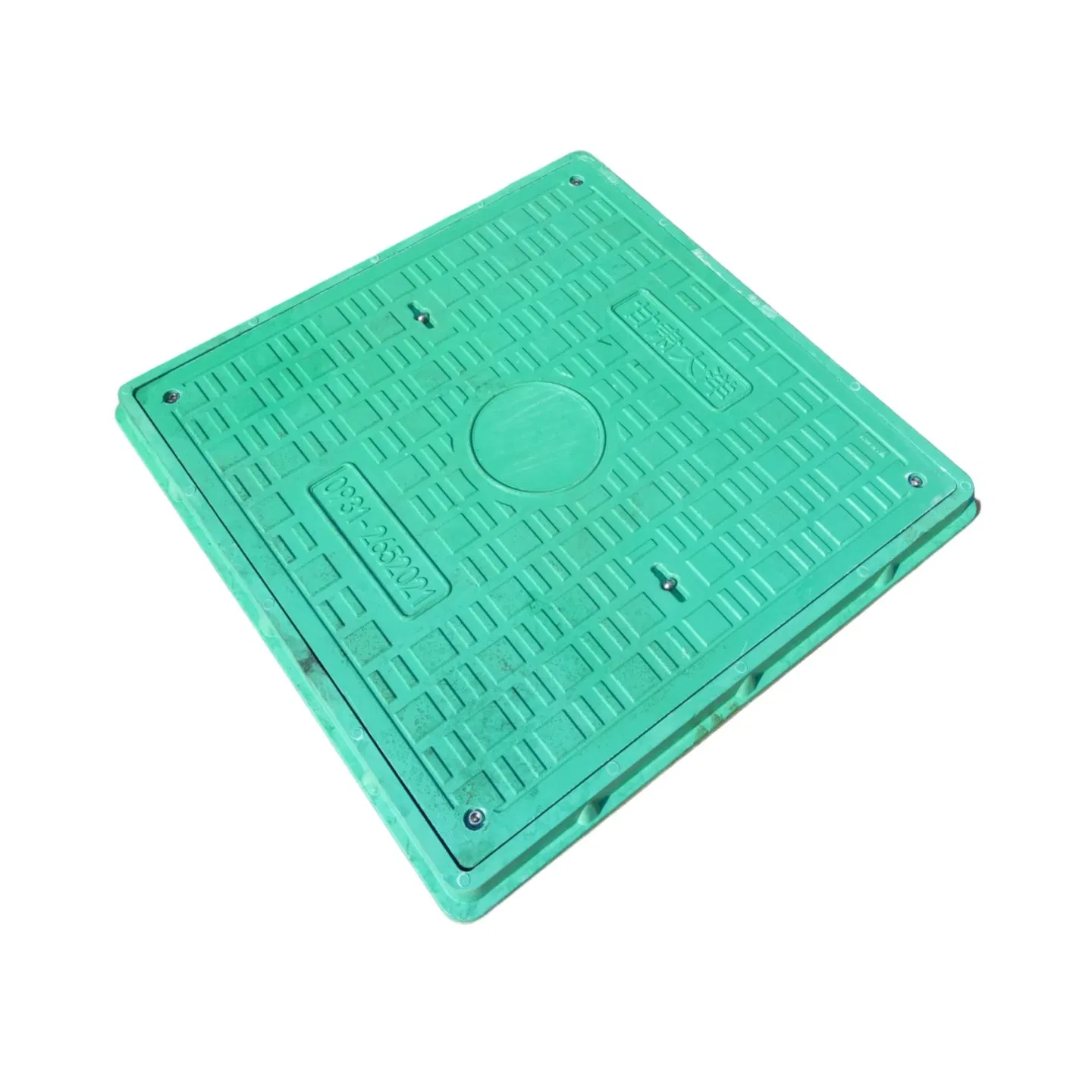
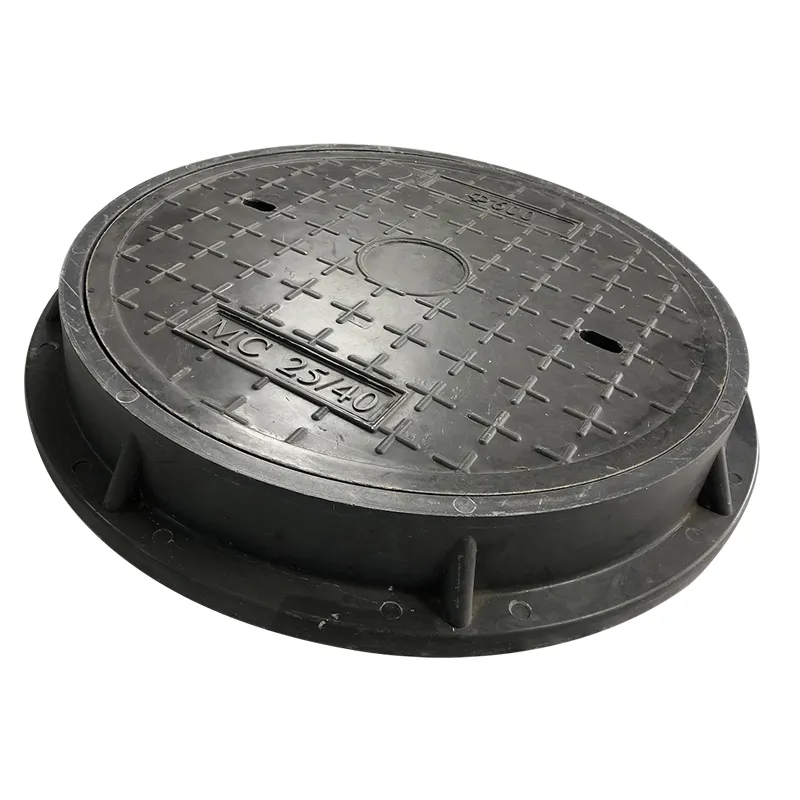
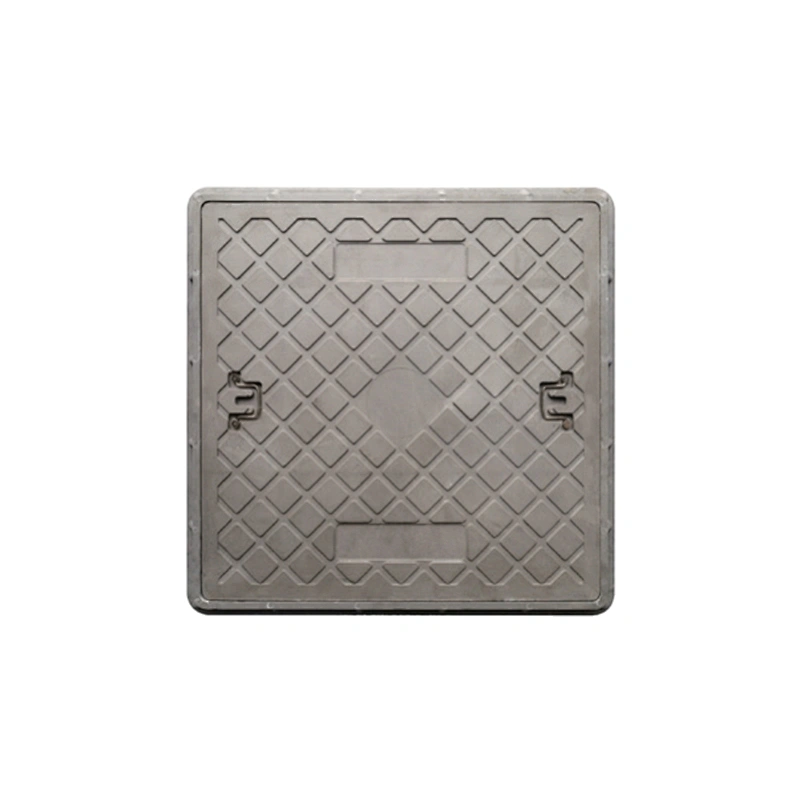
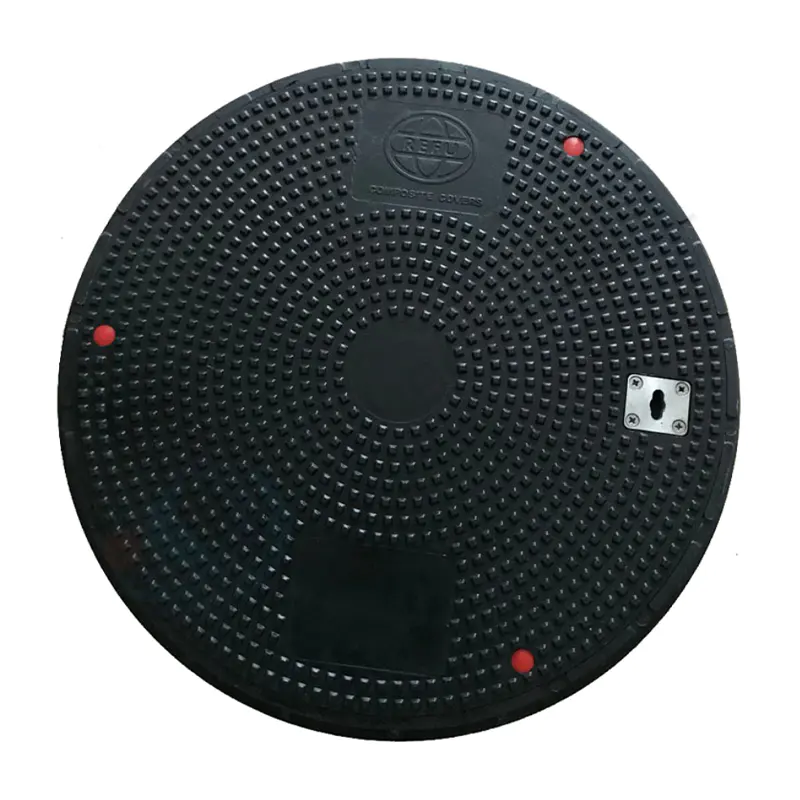
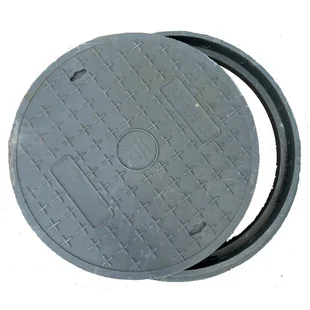
An FRP manhole cover is a composite access cover manufactured from fiberglass reinforced plastic, a material system that combines glass fibers with a polymer resin matrix. Unlike traditional cast iron or precast concrete covers, FRP manhole covers offer a unique balance of high strength, low weight, and exceptional corrosion resistance. These covers are designed to provide secure access to underground utility chambers, telecommunications vaults, drainage systems, and sewer networks while withstanding heavy traffic loads.
FRP manhole covers are manufactured through a compression molding or hand lay-up process, where layers of glass fiber reinforcement are impregnated with thermosetting resins such as polyester, vinyl ester, or epoxy. The composite is then cured under controlled temperature and pressure to form a dense, uniform structure with consistent mechanical properties across the entire cover surface.
For road construction applications, FRP manhole covers are engineered to meet specific load classifications, including EN 124 load classes A15 through F900, ensuring they can withstand everything from pedestrian foot traffic to heavy truck axle loads at airports and seaports.
Manufacturing Process of FRP Manhole Covers
FRP manhole covers are typically manufactured using one of two primary methods: compression molding or sheet molding compound (SMC) processing. In the compression molding process, a precise charge of fiberglass reinforcement and resin mixture is placed into a heated steel mold. The mold is then closed under high pressure, causing the material to flow and fill every cavity while the heat initiates the curing reaction. The result is a dense, void-free cover with consistent wall thickness and excellent dimensional accuracy.
The hand lay-up method, used for larger or custom-sized covers, involves manually placing glass fiber mats into a mold and saturating them with resin using rollers and brushes. Each layer is compacted to remove air bubbles and ensure complete wet-out. The part is then cured at ambient temperature or in a post-cure oven to achieve full mechanical properties.
Quality control measures during manufacturing include resin-to-glass ratio verification, Barcol hardness testing, and dimensional inspection. Covers are also load-tested according to EN 124 standards before shipment. The entire process is environmentally cleaner compared to cast iron foundries, as FRP production generates no molten metal emissions and consumes less energy per unit produced.
FRP vs Cast Iron vs Concrete Manhole Covers
When selecting manhole covers for infrastructure projects, buyers typically compare three material options: FRP (fiberglass reinforced plastic), cast iron, and precast concrete. Each material has distinct characteristics that affect installation, performance, and total cost of ownership.
| Property | FRP Manhole Cover | Cast Iron Cover | Concrete Cover |
|---|---|---|---|
| Weight | Lightweight (20–40 kg for standard sizes) | Heavy (50–120 kg) | Very heavy (80–200 kg) |
| Corrosion Resistance | Excellent — immune to rust and chemical attack | Poor — rusts in wet environments | Moderate — degrades in acidic conditions |
| Tensile Strength | High (200–400 MPa) | High (200–350 MPa) | Low (2–5 MPa) |
| Installation Labor | Minimal — can be installed by 1–2 workers | Requires lifting equipment or 3+ workers | Heavy machinery required |
| Theft Value | Near zero — no scrap metal value | High — target for scrap thieves | Low |
| Service Life | 30–50 years | 15–25 years (in corrosive environments) | 20–30 years |
FRP vs cast iron manhole covers for road use: While both materials can achieve the same load ratings (up to F900 for heavy traffic), FRP offers significant advantages in corrosion resistance, ease of handling, and theft deterrence. Cast iron remains popular for its traditional feel and very high compressive strength, but its weight creates safety hazards during installation and its scrap value leads to frequent theft.
Why choose FRP manhole covers over concrete: Concrete covers are economical but brittle, prone to spalling at edges, and extremely heavy. FRP covers deliver equivalent load performance at one-quarter the weight, with much better chemical resistance — particularly important in wastewater and industrial applications where hydrogen sulfide gas causes rapid concrete degradation.
Key Benefits of FRP Manhole Covers
FRP manhole covers deliver a range of practical benefits that make them the preferred choice for modern infrastructure projects:
- Lightweight construction: At roughly one-third the weight of cast iron and one-quarter the weight of concrete, FRP covers reduce transportation costs, eliminate the need for heavy lifting equipment on site, and significantly lower the risk of back injuries during installation.
- Corrosion and chemical resistance: FRP does not rust, rot, or corrode when exposed to moisture, road salts, wastewater chemicals, or industrial effluents. This makes FRP manhole covers ideal for sewage treatment plants, chemical processing facilities, and coastal roadways where salt spray accelerates metal deterioration.
- Non-conductive and spark-resistant: As a dielectric material, FRP provides natural electrical insulation — an important safety feature for telecommunications and electrical utility vaults. It also does not produce sparks upon impact, making it suitable for hazardous environments.
- Anti-theft design: With negligible scrap metal value, FRP covers are not targeted by thieves, eliminating the open-hole hazard that frequently occurs when cast iron covers are stolen from roadways.
- Low maintenance: FRP does not require periodic painting, galvanizing, or corrosion treatment. A simple visual inspection and occasional cleaning are sufficient to maintain performance over decades of service.
- UV stability: Premium FRP formulations include UV inhibitors and pigment stabilizers that prevent surface degradation and color fading in exposed outdoor installations.
Common Applications in Road Construction
FRP manhole covers for road construction are specifically designed to meet the demanding requirements of modern roadway infrastructure. When selecting an FRP manhole cover for road construction, it is important to consider the specific traffic conditions, load requirements, and environmental factors at the installation site. Their unique combination of strength and light weight makes them particularly well-suited for the following applications:
- Municipal roadways and highways: Installed in traffic lanes, shoulders, and medians where they must withstand repeated heavy vehicle loading without cracking or displacement. FRP covers rated to EN 124 Class D400 or higher are typical for these applications.
- Airport runways and taxiways: The highest load ratings (Class F900) are required for aircraft traffic areas, and FRP covers deliver this performance at a weight that allows a two-person crew to complete installations during short runway maintenance windows.
- Pedestrian zones and cycle paths: In plazas, sidewalks, and bicycle lanes where lighter load ratings (A15 or B125) are sufficient, FRP covers provide a non-slip surface that blends aesthetically with surrounding pavers or concrete.
- Wastewater and sewage facilities: The corrosion resistance of FRP is especially valuable in sewer applications where hydrogen sulfide gas creates an aggressively corrosive atmosphere that rapidly degrades metal covers.
- Industrial plant floors: Chemical processing plants, refineries, and manufacturing facilities benefit from FRP covers that resist chemical spills and provide spark-safe access to underground utility lines.
- Telecommunications and utility vaults: The non-conductive property of FRP eliminates grounding concerns in vaults containing sensitive electronic equipment, while the light weight facilitates frequent access for maintenance.
Why use FRP manhole covers in road construction? Road construction projects benefit from the rapid installation speed, reduced equipment requirements, and long maintenance-free service life that FRP covers provide. These factors translate directly into lower project costs and shorter road closure periods.
Load Ratings and Durability
Understanding load ratings is essential when selecting and installing the correct FRP manhole cover for any road construction project. The European standard EN 124 defines six load classes that govern which covers are suitable for different traffic environments:
| Class | Load Capacity | Typical Application |
|---|---|---|
| A15 | 15 kN (1.5 tons) | Pedestrian areas, cycle paths, green spaces |
| B125 | 125 kN (12.5 tons) | Sidewalks, car parks, slow-moving vehicles |
| C250 | 250 kN (25 tons) | Roadside gutters, vehicle shoulders |
| D400 | 400 kN (40 tons) | Roadways, highways, hard shoulders |
| E600 | 600 kN (60 tons) | Industrial zones, loading docks |
| F900 | 900 kN (90 tons) | Airport runways, seaport terminals |
What load rating should road construction FRP covers have? For standard municipal road construction, Class D400 (400 kN) is the minimum recommended rating. This ensures the cover can withstand the weight of fully loaded garbage trucks, fire engines, and heavy construction vehicles without deflection or failure.
How long do FRP manhole covers last in road construction? When correctly installed and maintained, FRP manhole covers have a service life of 30 to 50 years in road construction applications. The material does not corrode, so the primary failure mode — rust-through in cast iron — does not apply. UV stabilizers in the resin system prevent sun damage, and the non-porous surface resists freeze-thaw spalling. Many of the earliest FRP installations from the 1980s remain in service today.
It is important to note that load rating alone does not guarantee performance. The quality of the supporting frame, the annular gap between cover and frame, and the condition of the concrete surround all play critical roles in how the assembly performs under traffic loading over time.
Tools Required for FRP Manhole Cover Installation
Before beginning the FRP manhole cover installation, assemble all necessary tools and materials. Having everything ready before you start prevents delays and ensures the installation proceeds without interruption. Here is the complete list of tools and equipment you will need:
- Measuring and marking tools: Tape measure, chalk line or marking pencil, spirit level (at least 1 meter long), and a straightedge for checking frame flatness across both axes.
- Cutting and demolition tools: Concrete saw or angle grinder with a diamond blade for cutting the pavement opening, jackhammer for breaking out existing concrete or asphalt, and hand tools (wrecking bar, hammer) for removing debris.
- Concrete preparation tools: Mixing paddle and drill for concrete or mortar, bucket, trowels, and a vibrating poker or tamping rod to consolidate concrete around the frame.
- Frame alignment tools: Adjustable shims (steel or plastic) for leveling the frame, rubber mallet for fine adjustments, and a long straightedge or laser level for verifying final alignment.
- Material supplies: Ready-mix concrete or non-shrink grout (typically grade 40 MPa or higher), bonding agent or epoxy primer for the substrate, and flexible sealant or bituminous mastic for the cover-to-frame seal.
- Personal protective equipment: Hard hat, safety glasses, high-visibility vest, steel-toe boots, cut-resistant gloves, hearing protection, and respiratory protection when cutting concrete.
- Lifting and handling: For larger FRP covers (those exceeding 50 kg), a suction lifter or spreader bar with straps may be needed. Smaller covers can be safely handled by two workers without mechanical assistance.
The lightweight nature of FRP manhole covers eliminates the need for cranes, hoists, or heavy lifting equipment that would be mandatory for cast iron or concrete covers of equivalent size and load rating. This represents a significant reduction in both equipment costs and installation time.
Step-by-Step FRP Manhole Cover Installation Guide
This section provides the complete FRP manhole cover installation guide with detailed step-by-step instructions. The process is divided into three phases: foundation preparation, frame installation, and cover placement with sealing. Each phase must be completed correctly before moving to the next to ensure a durable, long-lasting installation that meets all safety and performance requirements.
The total installation time for a standard FRP manhole cover is typically 2 to 4 hours, including concrete curing. For road construction projects, it is essential to coordinate with traffic management teams to ensure adequate time for the installation and initial cure period before reopening the lane to traffic.
This guide applies to both new construction installations and replacement of existing covers. The primary difference is that replacement installations require the additional step of removing the old cover and frame and preparing the existing opening before beginning the new installation process.
Foundation Preparation and Frame Installation
The foundation preparation phase is the most critical step in any FRP manhole cover installation. A properly prepared foundation ensures that the load is evenly distributed to the surrounding pavement structure and that the cover remains level and secure throughout its service life.
Step 1: Excavate the opening. The excavation should be cut to dimensions approximately 100–150 mm wider than the frame on each side. For rectangular frames, ensure the corners are square. For circular frames, maintain a uniform clearance around the entire circumference. The depth of the excavation should match the frame height plus a minimum 50 mm concrete bedding layer beneath the frame base.
Step 2: Prepare the sub-base. Compact the soil or existing base material at the bottom of the excavation to achieve a firm, stable surface. If the subsurface is soft or poorly draining, add and compact a 100–150 mm layer of granular fill (crushed stone or gravel) to create a stable sub-base. The compacted surface must be level and free of loose material.
Step 3: Set the frame on temporary supports. Place the metal frame (supplied as part of the FRP manhole cover assembly) on adjustable shims or small concrete blocks so that its top flange sits at the correct finished pavement elevation. Use a spirit level to check alignment in both the longitudinal and transverse directions. The frame should be set with a slight cross-fall (1–2%) matching the road camber to ensure proper drainage away from the cover surface.
Step 4: Pour the concrete surround. Using a minimum 40 MPa concrete mix, pour the concrete around the frame in layers, compacting each layer with a vibrating poker or tamping rod to eliminate air voids. The concrete should be filled to within 20–30 mm of the finished pavement surface to allow for the final asphalt or concrete overlay. Ensure the frame remains perfectly aligned and level during the pour; adjust shims as necessary before the concrete begins to set.
Step 5: Allow initial cure. Permit the concrete to cure for a minimum of 24 hours (or according to the concrete mix manufacturer specifications) before placing any load on the frame. In cold weather, use insulating blankets or accelerated cure admixtures. In hot weather, keep the concrete moist during the curing period to prevent shrinkage cracking.
Cover Placement and Sealing
Once the concrete surround has fully cured and the frame is securely set, proceed with cover placement and sealing. This phase requires careful attention to detail to ensure proper fit and a watertight seal.
Step 6: Clean the frame seating surface. Remove any concrete splatter, debris, or dirt from the frame ledges using a wire brush or scraper. The seating surface must be clean, dry, and free of any material that could prevent the cover from sitting flush. Vacuum the frame channel to remove all loose particles.
Step 7: Apply sealant. How to seal an FRP manhole cover properly: Apply a continuous bead of flexible polyurethane or bituminous sealant along the full perimeter of the frame ledge where the FRP cover will make contact. The sealant bead should be approximately 8–10 mm in diameter. Do not use rigid epoxy or cementitious grout for this seal — the cover needs a flexible seal to accommodate minor thermal expansion and traffic-induced micro-movements without cracking or breaking the bond.
Step 8: Position the FRP cover. With two workers on opposite sides, carefully lower the FRP manhole cover onto the frame, aligning it so that it seats evenly on all sides. For covers with bolt-down features, ensure the bolt holes align with the threaded inserts in the frame. Do not drop or slam the cover into place — FRP is tough but can be damaged by impact loading.
Step 9: Check for rocking or movement. After seating the cover, apply pressure to each corner and listen for any knocking sound that indicates the cover is not fully seated. If rocking is detected, remove the cover, check for obstructions on the frame ledge, and inspect the cover underside for any debris or damage. Reapply sealant if necessary and re-seat. A properly seated FRP manhole cover should sit perfectly flush with the frame, with no vertical movement when loaded at any point on the surface.
Step 10: Secure bolt-down covers (if applicable). For covers with tamper-proof fastening systems, install the bolts or locking mechanisms according to the manufacturer specifications. Tighten to the recommended torque value — typically 20–40 Nm for M10 or M12 stainless steel bolts. Over-tightening can stress the composite material around the bolt holes.
Installation Depth Requirements
What is the installation depth for FRP manhole covers? The installation depth depends on the specific application, load rating requirements, and the condition of the existing substrate. The depth is measured from the finished pavement surface to the base of the frame.
- For pedestrian areas (Class A15/B125): Minimum installation depth of 100 mm from finished grade to the bottom of the frame.
- For residential roadways (Class C250): Minimum installation depth of 150 mm.
- For main roadways and highways (Class D400): Minimum installation depth of 200 mm.
- For heavy industrial and airport use (Class E600/F900): Minimum installation depth of 250 mm, with reinforced concrete surround specified by a structural engineer.
These depth requirements ensure that lateral loads from traffic are adequately transferred to the surrounding pavement structure rather than being concentrated at the frame edges. In all cases, the concrete surround must extend below the frame base by at least 50 mm, meaning the excavation depth should be at least 50 mm greater than the frame height.
The annular gap between the frame and the pavement surface must also be carefully managed. For asphalt installations, the gap should be filled with a hot-applied bituminous sealant. For concrete installations, use a flexible polyurethane joint sealant that accommodates thermal movement without cracking.
Safety Precautions During Installation
What safety precautions for FRP manhole cover installation should be followed? Installing manhole covers, even lightweight FRP versions, involves working in traffic zones, handling construction materials, and operating power tools. Adhering to the following safety protocols protects workers and the public:
- Traffic control: Establish a safe work zone with proper traffic control measures before beginning any installation work on roadways. Use cones, barriers, signage, and flaggers as required by local traffic management regulations. Never work in an active traffic lane without adequate protection.
- Confined space awareness: If the manhole provides access to a confined space (sewer, vault, or chamber beneath the cover), follow confined space entry protocols. Test the atmosphere for oxygen levels, flammable gases, and toxic vapors before removing the existing cover. An open manhole presents both a fall hazard and a potential gas exposure risk.
- Manual handling: Although FRP manhole covers are significantly lighter than cast iron alternatives, proper lifting technique is still essential. Bend at the knees, keep the back straight, and lift with the legs. For covers over 25 kg, use a two-person lift or mechanical lifting aid. Grip the cover securely — FRP surfaces can be smooth, especially when wet.
- Personal protective equipment: All personnel on the installation site must wear hard hats, safety glasses, high-visibility clothing, and steel-toe boots. When cutting pavement or concrete, add hearing protection, respiratory protection (N95 or better), and heavy-duty gloves.
- Tool safety: Ensure all power tools are in good working condition with guards in place. Use GFCI-protected circuits for electric tools on construction sites. Never leave tools unattended near the open manhole opening.
- Open hole protection: During the installation process, the manhole opening will be exposed for an extended period. Erect temporary barriers or covers around the opening to prevent accidental falls by workers or pedestrians. At the end of each work day, cover the opening with a secure temporary plate if the installation is not yet complete.
Common Installation Mistakes to Avoid
Even experienced installation crews can make mistakes that compromise the performance of an FRP manhole cover. Below are the most common errors and how to avoid them, along with specific tips for installing FRP manhole covers on roads.
- Inadequate concrete surround: Using a low-strength concrete mix or insufficient concrete volume around the frame is one of the most frequent installation failures. The concrete surround must be at least 40 MPa strength and extend at least 100 mm beyond the frame on all sides. Weak or inadequate concrete will crack under traffic loading, causing the frame to shift and the cover to become misaligned.
- Poor frame leveling: A frame installed out of level will cause the cover to rock, creating noise under traffic and eventually leading to cover or frame damage. Always verify frame levelness with a long spirit level in both axes after the concrete pour has compacted, and make final adjustments while the concrete is still workable.
- Using rigid sealants instead of flexible ones: As noted in the sealing section, rigid epoxy or cement-based sealants will crack under thermal cycling and traffic vibration. Always use a flexible polyurethane or bituminous sealant designed specifically for manhole cover applications. This ensures a watertight seal that accommodates movement without failure.
- Insufficient curing time before traffic loading: Opening a lane to traffic before the concrete surround has achieved sufficient strength is a recipe for premature failure. Allow a minimum 24-hour cure (longer in cold weather) before allowing any traffic over the cover. For high-traffic roadways, consider using rapid-set concrete or accelerated curing methods to minimize road closure time.
- Ignoring manufacturer specifications: Each FRP manhole cover model has specific installation requirements regarding bolt torque, seating depth, frame type, and sealant compatibility. Always read and follow the manufacturer installation instructions provided with the product.
- Tips for installing FRP manhole covers on roads: On asphalt roads, install the frame before the final asphalt overlay so the frame flange sits flush with the finished surface. In concrete roads, cast the frame into the concrete pour with proper vibration to eliminate voids beneath the frame ledges. For high-traffic areas, consider recessing the cover and filling with a thin overlay to minimize direct tire impact on the cover edges.
Maintenance and Longevity of FRP Manhole Covers
How long do FRP manhole covers last? With proper installation and routine maintenance, FRP manhole covers have a service life of 30 to 50 years. The material does not rust, so the traditional failure mode of cast iron covers — corrosion thinning and eventual perforation — does not apply to FRP. However, certain maintenance practices can extend the service life even further.
- Annual visual inspection: Conduct a visual inspection of each FRP manhole cover at least once per year. Look for surface cracks, edge chipping, signs of UV degradation (chalking or fading), and any indication of cover movement or frame settlement. In high-traffic roadways, increase inspection frequency to twice per year — once after the winter season and once before winter begins.
- Sealant condition check: Inspect the seal between the cover and the frame. If the sealant is cracked, dried, or missing in any area, clean out the old sealant and reapply fresh flexible sealant. A compromised seal allows water infiltration, which can lead to sub-base erosion and frame settlement over time.
- Bolt and locking mechanism maintenance: For bolt-down covers, inspect all bolts and locking hardware annually. Stainless steel bolts should be checked for galling or thread damage. Apply anti-seize compound to bolt threads during reinstallation to prevent future seizing. Replace any damaged fasteners immediately.
- Surface cleaning: Keep the cover surface free of accumulated debris, soil, and vegetation growth. While FRP is corrosion-resistant, accumulated organic matter retains moisture and can promote surface staining. For road installations, periodic sweeping or washing is usually sufficient.
- Frame settlement monitoring: Check that the frame remains level with the surrounding pavement surface. Differential settlement between the frame and the pavement creates a tripping hazard and increases impact loading on the cover. If settlement exceeds 5 mm, the frame should be removed and the concrete surround reinstalled.
- Replacement indicators: Replace an FRP manhole cover if it exhibits any of the following: structural cracks extending through the full thickness, deformation that prevents proper seating in the frame, significant edge wear that reduces the annular support, or if the cover has been in service beyond its design life and shows signs of material fatigue.
Cost Considerations for FRP Manhole Covers
How much does an FRP manhole cover for road construction cost? The cost of FRP manhole covers varies depending on size, load rating, design features, and order volume. While the initial purchase price of an FRP cover may be comparable to or slightly higher than a standard cast iron cover, the total installed cost is often lower due to significant savings in transportation, handling, and installation labor.
- Material pricing: Standard FRP manhole covers in Class D400 for road construction typically range from $80 to $250 per unit for common sizes (600 mm round or 600 × 600 mm square). Heavy-duty Class E600 and F900 covers for industrial and airport applications range from $150 to $500 or more, depending on size and reinforcement design.
- Installation cost savings: Because FRP covers weigh 60–70% less than cast iron, installation labor costs are typically 30–50% lower. A two-person crew can install an FRP cover without a crane or lifting equipment, saving $200–$500 in equipment rental per installation. Transportation costs are also reduced — a truckload of FRP covers contains roughly three times as many units as the same truckload of cast iron covers.
- Lifecycle cost advantage: When evaluating total cost of ownership, FRP manhole covers offer compelling economics. The 30–50 year service life with minimal maintenance eliminates the recurring costs of rust treatment, painting, and replacement that affect cast iron covers. Over a 30-year period, the total lifecycle cost of an FRP installation is typically 40–60% lower than cast iron, after factoring in initial purchase, installation, maintenance, and replacement expenses.
- Cost of theft prevention: An often-overlooked cost factor is theft. Cast iron manhole covers are frequently stolen for scrap metal value, with replacement costs (including emergency installation, traffic management, and liability exposure) far exceeding the cover price itself. FRP covers eliminate this risk entirely.
For B2B buyers evaluating FRP manhole covers for road construction projects, requesting a total installed cost comparison — including transportation, installation labor, equipment, maintenance, and projected replacement frequency — provides a more accurate basis for decision-making than comparing unit prices alone.
Conclusion
Installing FRP manhole covers correctly is essential for achieving the long service life, reliable performance, and cost efficiency that this advanced composite material offers. This FRP manhole cover installation guide has covered the complete process from pre-installation preparation through final sealing and maintenance, along with the critical safety protocols and common pitfalls to avoid.
The key takeaways for a successful FRP manhole cover installation are:
- Prepare a stable, properly sized foundation with adequate concrete surround strength (minimum 40 MPa).
- Ensure the frame is perfectly level and set at the correct elevation for the finished pavement surface.
- Use flexible sealants designed for manhole cover applications — never rigid materials.
- Allow full concrete curing time before exposing the cover to traffic loads.
- Conduct regular inspections and maintain the sealant and bolting hardware as part of a routine maintenance program.
- Follow all manufacturer specifications and safety protocols throughout the installation process.
For B2B buyers and contractors managing road construction projects, investing in proper installation training and quality assurance during the installation phase pays dividends through decades of trouble-free service. FRP manhole covers represent a proven, cost-effective solution for modern infrastructure — and correct installation is the key to unlocking their full potential.
For a visual walkthrough of the installation process, search for an FRP manhole cover installation video tutorial on our product resources page or contact our technical support team for on-site installation guidance.