Introduction
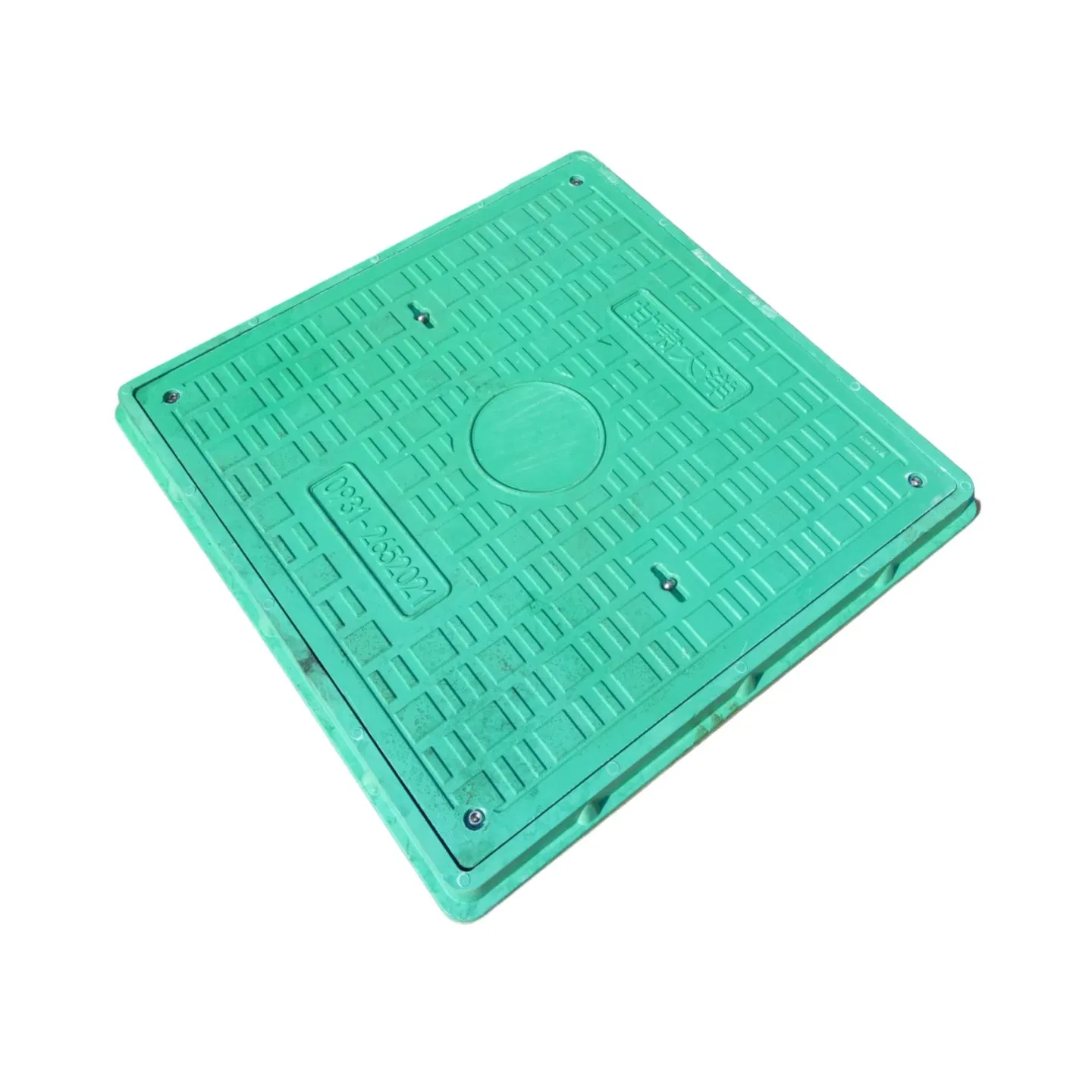
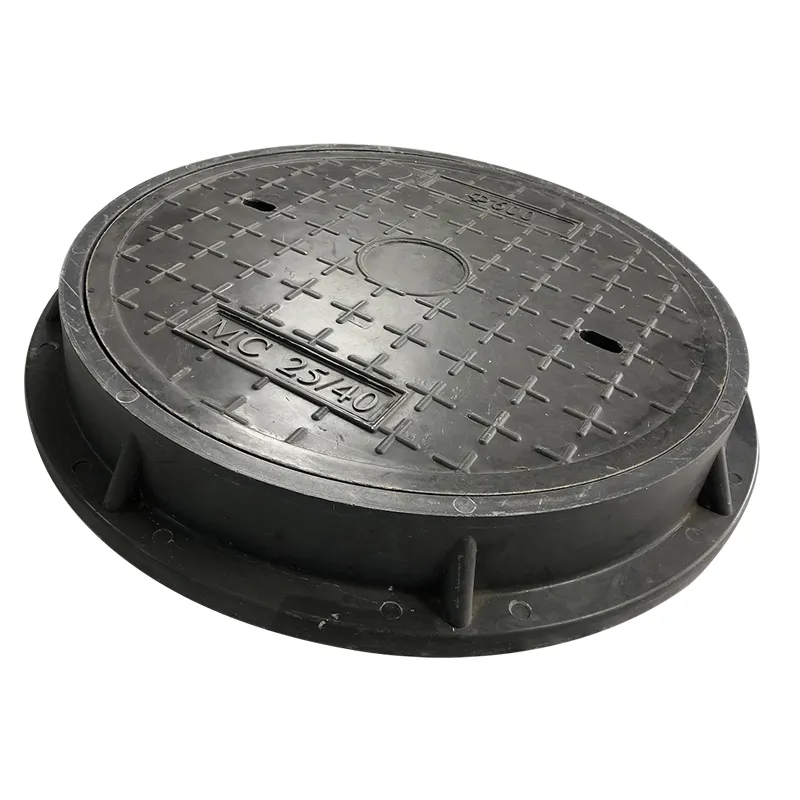
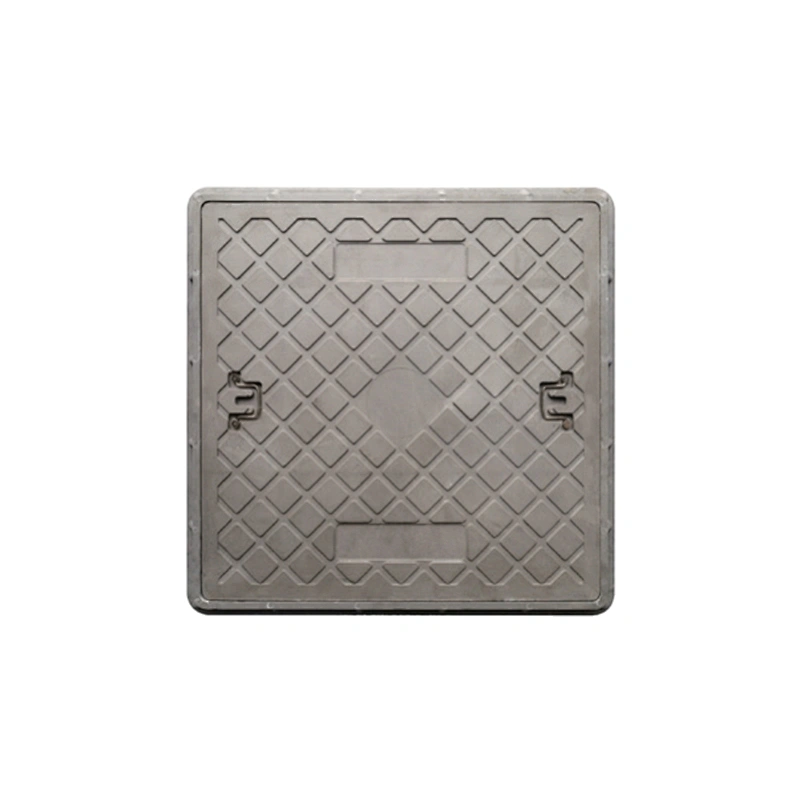
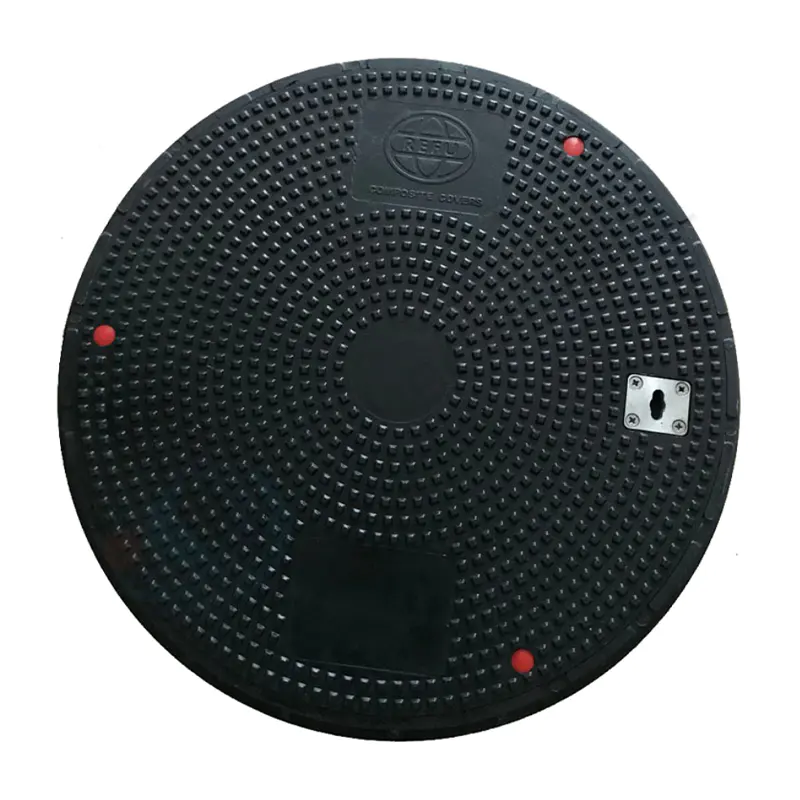
Selecting the right composite access cover supplier for water industry projects is a critical procurement decision for water utilities, treatment plant engineers, and infrastructure contractors. Unlike standard access covers used in pedestrian areas, water industry applications demand exceptional corrosion resistance, water-tight sealing, and high load-bearing capacity — often D400 or higher — to withstand both traffic loads and continuous exposure to moisture, chemicals, and wastewater.
This guide provides procurement professionals and project managers with a comprehensive overview of what to look for in a composite access cover supplier for the water sector. We cover the unique technical requirements of water utility applications, the key criteria for evaluating suppliers including certifications and manufacturing experience, factory direct pricing considerations, and real-world project references from global water infrastructure projects. Whether you are sourcing covers for a wastewater treatment plant, a potable water distribution network, or a municipal stormwater system, this guide will help you make an informed supplier decision.
Why the Water Industry Needs Specialised Access Covers
Water and wastewater facilities create one of the most demanding environments for access covers. Unlike covers installed in dry commercial or residential settings, those used in water industry applications are exposed to corrosive gases (hydrogen sulfide in sewers), chemical dosing agents (chlorine, ozone, ferric chloride), continuous moisture, and frequent washdown procedures. Standard steel or cast iron covers rapidly corrode under these conditions, leading to structural failure, contamination risks, and high replacement costs.
Composite materials — particularly glass-fiber-reinforced polymer (GFRP) composites — have become the preferred solution for water utilities worldwide because they inherently resist corrosion, require no protective coating, and maintain their structural integrity for decades. According to industry feedback from municipal water authorities, composite access covers outlast cast iron alternatives by 2–3 times in wet environments while weighing 60–70 % less, making installation and maintenance significantly safer and more cost-effective.
Water utilities typically use composite access covers for manholes, valve chambers, meter pits, pump station access points, chemical dosing vaults, and inspection hatches in treatment plants. The specific requirements vary by application, but the common denominator is the need for a cover that will not rust, will seal tight against infiltration and exfiltration, and will support the traffic loads expected at the installation site.
Corrosion Resistance — the Critical Factor
Corrosion resistance is the single most important factor distinguishing water-industry-grade access covers from standard alternatives. In wastewater networks, hydrogen sulfide (H₂S) gas produced by anaerobic bacteria combines with moisture to form sulfuric acid, which aggressively attacks metal and concrete. Composite access covers are chemically inert and do not suffer from acid attack, rust, or spalling.
For potable water applications, composite covers eliminate the risk of rust particles or corrosion byproducts contaminating the water supply. The material is non-toxic, non-leaching, and approved for contact with drinking water in many jurisdictions. When evaluating a composite access cover supplier for water industry projects, always verify that the composite formulation includes UV stabilizers (for above-ground installations) and that the resin system is selected for the specific chemical environment — isophthalic polyester or vinyl ester resins offer superior chemical resistance for aggressive wastewater environments, while orthophthalic polyester may suffice for clean water applications.
Water-Tightness and Sealing Performance
Water utilities must prevent both infiltration (groundwater entering the chamber) and exfiltration (wastewater leaking out). Composite access covers achieve superior sealing through integrally molded gasket grooves and EPDM or silicone sealing gaskets. Unlike metal covers that deform or lose seal pressure over time, composite covers maintain consistent gasket compression because the material does not corrode or warp.
Key sealing specifications to look for when sourcing from a composite access cover supplier include:
- Ingress Protection (IP) rating: IP68 rated covers provide continuous submersion protection, essential for flood-prone areas or below-water-table installations.
- Gas-tight sealing: For wastewater applications, gas-tight covers prevent odor escape and protect workers from toxic H₂S accumulation.
- Locking mechanisms: Stainless steel captive bolts or tamper-proof locking systems prevent unauthorized access and cover displacement during flood events.
- Test certification: Request hydrostatic pressure test reports confirming seal performance at the specified depth rating.
Many water treatment plants now specify gas-tight, lockable composite covers as standard for all confined-space access points, driven by workplace safety regulations and environmental protection requirements.
Load Ratings for Water Utility Applications
Access covers in water industry installations must support vehicle traffic ranging from light service vehicles to fully loaded garbage trucks and fire appliances. The European standard EN 124 defines load classifications that apply globally:
| Class | Load (kN) | Typical Water Industry Application |
|---|---|---|
| D400 | 400 kN | Carriageways, roads, and parking areas in water treatment plants |
| C250 | 250 kN | Footways, pedestrian areas, and service road verges |
| B125 | 125 kN | Footpaths, cycle paths, and landscaped areas |
| A15 | 15 kN | Non-traffic areas, gardens, and inspection-only access points |
For most water utility road and yard installations, D400-rated composite access covers are the minimum specification. Unlike cast iron D400 covers that can exceed 80 kg, composite D400 covers typically weigh 25–35 kg, enabling one-person handling without mechanical lifting equipment. When requesting quotes, confirm the load rating with test certification — reputable suppliers provide third-party load test reports from accredited laboratories.
How to Choose the Best Composite Access Cover Supplier for Water Industry
Choosing the right partner is as important as choosing the right product. The best composite access cover supplier for water industry projects brings together product quality, technical expertise, regulatory compliance, and reliable delivery. Here are the critical factors procurement teams should evaluate when comparing suppliers for water utility applications.
Industry-Specific Product Range: A supplier that serves the water sector should offer covers designed specifically for wet environments — not repurposed road covers. Look for dedicated water industry models with enhanced corrosion resistance, gas-tight sealing, and smooth surfaces that prevent debris buildup and simplify cleaning.
Customization Capabilities: Water treatment plants often require non-standard sizes, custom cutouts for pipe penetrations, or specialized locking arrangements. The best composite access cover manufacturer will offer custom molding rather than forcing standard products into non-standard openings.
Track Record in Water Projects: Request references from municipal water utilities, wastewater treatment contractors, and engineering firms that specify access covers. A supplier with a decade or more of water industry experience will have encountered — and solved — the specific challenges your project faces.
Responsive Technical Support: Water industry projects often have tight deadlines tied to regulatory compliance or seasonal construction windows. A supplier that provides engineering support, load calculation verification, and on-site installation guidance adds significant value beyond the product itself.
For buyers in the USA, the best composite access cover supplier in USA will additionally comply with ASTM specifications, AASHTO load requirements, and local municipal codes while offering competitive pricing through domestic manufacturing or efficient import logistics.
Certifications and Compliance Standards
A qualified composite access cover supplier for water industry projects must hold relevant certifications that demonstrate product quality and regulatory compliance. Minimum certifications to require include:
- EN 124 / BS EN 124 certification: The global benchmark for manhole cover load ratings. Ensure the supplier can provide third-party EN 124 test certificates for each load class (D400, C250, B125, A15).
- ISO 9001:2015: Quality management system certification for manufacturing consistency and traceability.
- ISO 14001: Environmental management — increasingly required for government and municipal infrastructure projects.
- Water industry specific approvals: For potable water applications, look for certifications such as WRAS (UK), NSF/ANSI 61 (USA), or ACS (France) that verify the material does not leach contaminants into drinking water.
- CE marking (EU): For projects under European regulations, CE marking under EN 124 is mandatory for construction products.
Beyond certificates, request factory audit reports and batch-specific material test certificates (resin content, glass transition temperature, flexural strength) to verify that production consistently meets the specified standards.
Manufacturing Experience and Track Record
Manufacturing experience directly correlates with product reliability in demanding water industry applications. The best composite access cover manufacturer has a proven history of producing covers for water utilities, backed by investment in production technology and quality control infrastructure.
Key indicators of supplier manufacturing capability include:
- Production method: Sheet molding compound (SMC) compression molding produces consistent, high-strength covers with excellent dimensional accuracy. Look for suppliers using hydraulic presses of 1,000 tons or more for D400-grade covers.
- In-house testing laboratory: Facilities equipped for flexural strength testing, load testing, impact resistance, and accelerated weathering (UV, salt spray) demonstrate commitment to quality.
- Production capacity: For large water infrastructure projects, verify the supplier can meet delivery timelines without compromising quality. Annual production volume in excess of 50,000 units suggests established manufacturing capability.
- R&D investment: Top-tier suppliers continuously improve material formulations and cover designs. Ask about recent product developments — improved resin systems, lighter-weight reinforcement patterns, or enhanced gasket designs specifically for water industry use.
Warranty and After-Sales Support
Water industry access covers are infrastructure investments expected to perform for 20–30 years. A strong warranty and after-sales support program protects that investment. When evaluating a composite access cover supplier, review these warranty and support factors:
- Product warranty: Reputable suppliers offer 5–10 year structural warranties covering manufacturing defects, delamination, and load-bearing failure. Compare warranty terms carefully — some suppliers prorate after year one, while others offer full replacement coverage.
- Chemical resistance guarantee: For wastewater applications, ensure the warranty explicitly covers chemical attack from hydrogen sulfide and common treatment chemicals. Some standard warranties exclude chemical damage.
- Replacement parts availability: Gaskets, bolts, and locking mechanisms degrade over time. Verify that the supplier commits to stocking replacement parts for the full warranty period.
- Technical support: Post-installation support for inspection procedures, maintenance guidelines, and replacement part ordering should be readily available. Suppliers with local representatives or 24/7 online portals provide better long-term support.
Composite Access Covers for Infrastructure and Government Projects
Water infrastructure projects — whether municipal water distribution networks, regional wastewater treatment upgrades, or highway drainage systems — operate under stricter specifications than private-sector installations. Composite access covers for infrastructure projects must meet engineering standards, procurement regulations, and long-term performance guarantees that government and civil engineering contracts demand.
The best composite access cover supplier for infrastructure projects understands the procurement landscape: tenders require fully documented compliance with load standards, material specifications, and testing protocols. As a composite access cover supplier for infrastructure projects, they must be prepared to deliver documentation that engineering firms and contracting authorities expect without delays.
For composite access cover supplier for government infrastructure projects, additional considerations include local content requirements, small business participation programs, and compliance with Buy America or similar domestic preference policies. A supplier experienced in government contracting will understand these compliance layers and can structure bids accordingly.
Specifications for Civil Engineering and Highway Infrastructure
Civil engineering and highway infrastructure projects require access covers that meet specific infrastructure grade composite access cover specifications. These specifications typically include:
- Minimum D400 load rating (400 kN / 40 tonnes) for covers installed in carriageways, with third-party load test certification.
- Skid resistance: Surface texture meeting UK SRV (Skid Resistance Value) or ASTM E303 standards to ensure vehicle and pedestrian safety.
- Freeze-thaw resistance: For cold-climate installations, composite covers must withstand repeated freeze-thaw cycles without micro-cracking or delamination.
- Non-metallic construction: Composite covers are inherently non-corrodible and non-conductive — critical for electrical utility vaults and areas with cathodic protection systems in water pipelines.
- Tamper-proof locking: Infrastructure installations in public areas require theft-resistant locking systems, typically stainless steel captive bolts with proprietary key patterns.
For composite access cover supplier for highway infrastructure projects, additionally verify that the cover design accommodates the specific frame bedding and pavement interface requirements specified by the highway authority. Many agencies require recessed covers that accept asphalt or concrete infill to match the road surface.
Compliance for Government Tender Requirements
Government and municipal water projects typically follow structured procurement processes with specific compliance documentation requirements. When selecting a composite access cover supplier for government projects, ensure the supplier can provide:
- Material test reports (MTRs): Certified test results for mechanical properties including flexural strength (typically >200 MPa for D400 covers), tensile strength, and compressive modulus.
- Load test certificates: Third-party witnessed load testing to EN 124 / BS EN 124 with original laboratory stamps.
- Fire performance data: British Standard BS 476 or ASTM E84 flame spread ratings for installations in tunnels, enclosed chambers, or buildings.
- UV resistance data: Accelerated weathering test results (e.g., ASTM G154) demonstrating no significant strength loss after 2,000+ hours of UV exposure.
- Environmental product declarations (EPD): Increasingly required for sustainability-rated infrastructure projects (LEED, BREEAM, Envision).
Suppliers who maintain this documentation as standard — rather than generating it on request — demonstrate the systematic quality management that government procurement officers value.
Factory Direct Pricing and How to Order
Pricing is a major consideration in any water industry procurement. Understanding the pricing structure of composite access covers — and the difference between factory direct and distributor pricing — helps procurement teams make cost-effective decisions without compromising quality.
For water utilities and infrastructure contractors looking to compare composite access cover supplier prices, the key variables affecting cost include: load rating (D400 covers cost more than C250), size and shape, sealing features (gas-tight or IP68 adds cost), material grade (vinyl ester resin for chemical resistance vs standard polyester), and order volume.
A reliable composite access cover supplier price list should clearly break down these variables. Reputable suppliers provide price lists covering all standard sizes and load classes, typically in a format that procurement teams can use for budget estimation and bid comparison. For current pricing, many suppliers now offer digital composite access cover supplier price list PDF downloads from their websites or will send price lists directly upon request.
When sourcing for water treatment plants specifically, ask for a tailored quotation rather than relying solely on a standard price list — water industry projects often involve custom dimensions, specialized sealing, or unique locking requirements that the standard price list may not capture accurately.
Factory Direct vs Distributor — Price Comparison
One of the most common procurement questions is whether to buy from a composite access cover supplier factory direct or through a distributor. The composite access cover factory direct vs distributor price difference can be significant — typically 20–35 % depending on the product range and order volume. For large water utility orders, working with a composite access cover supplier factory direct rather than a middleman yields the best pricing.
Benefits of buying composite access covers factory direct:
- Lower unit cost: Eliminating the distributor margin directly reduces the per-cover price. For large water utility orders of 500+ units, the savings can fund a significant portion of the installation budget.
- Direct technical communication: Questions about material specifications, load certifications, or custom modifications go straight to the engineering team — no intermediary delays or miscommunication.
- Supply chain control: Factory-direct relationships provide direct visibility into production schedules, shipping dates, and quality documentation.
- Custom manufacturing: Factory-direct suppliers can more efficiently handle custom sizes, colors, and configurations since no distributor inventory constraints apply.
Benefits of distributor purchasing: Lower minimum order quantities, local stock availability for urgent needs, and potentially faster delivery for small quantities. For water utilities that need a few covers immediately for emergency repairs, a local distributor may be the practical choice.
The optimal approach for most water infrastructure projects is to establish a factory-direct relationship for planned procurement while maintaining a distributor contact for emergency fill-in orders.
Understanding Price Lists — D400 and All Sizes
A comprehensive composite access cover price list 2025 typically covers multiple dimensions: size, load class, sealing type, and material grade. Understanding the price list structure helps water industry buyers budget accurately and compare quotes fairly.
Example price range indicators (factory-direct, standard models):
| Size (mm) | Load Class | Typical Price Range (USD) |
|---|---|---|
| 600 × 600 | B125 | $45 – $75 |
| 600 × 600 | D400 | $85 – $130 |
| 750 × 750 | D400 | $120 – $180 |
| 900 × 900 | D400 | $180 – $260 |
| 600 × 450 | C250 | $55 – $85 |
Note: Prices are indicative and vary by supplier, material specification, order volume, and destination. Contact suppliers directly for current composite access cover price list D400 rated pricing.
For the most accurate budgeting, request a composite access cover supplier price list for all sizes from your shortlisted suppliers. A professional supplier will provide a price list that clearly indicates whether pricing is FOB factory, CIF port, or delivered DDP to your project site — these distinctions significantly affect total landed cost.
Minimum Order Quantities and the Ordering Process
The ordering process for factory-direct composite access covers typically follows this sequence:
- Specification review: Submit your project requirements — application type (water/wastewater/clean water), load class, dimensions, sealing requirements, and any special features (locking, custom color, logo).
- Quotation and price list: The supplier provides a formal quotation based on your specifications. For standard models, this is typically valid for 30 days.
- Sample approval: For large or custom orders, reputable suppliers provide production samples for dimensional and performance verification before full production.
- Production lead time: Standard lead times are 15–30 days for stock sizes, 30–45 days for custom sizes. Confirm the timeline matches your construction schedule.
Composite access cover factory direct minimum order quantity (MOQ) varies by supplier. Typical MOQs are:
- Stock sizes: 10–20 pieces per size
- Custom sizes: 50–100 pieces per design
- Sample orders: 1–5 pieces (often at sample pricing)
To order composite access covers factory direct, most suppliers accept purchase orders via email, their website, or through procurement platforms. Payment terms for factory-direct orders typically require 30 % deposit with 70 % balance before shipment for first-time buyers, progressing to open account terms after establishing a payment history.
Global Water Industry Project References
The following real-world project references illustrate how water utilities and infrastructure contractors have successfully sourced composite access covers for water industry applications:
Municipal Wastewater Treatment Plant — UAE
A major wastewater treatment expansion in the Middle East required 2,400+ D400-rated composite access covers for aeration basin access points, sludge handling chambers, and chemical dosing vaults. The covers were specified with vinyl ester resin for maximum chemical resistance against hydrogen sulfide and dosing chemicals. The project was delivered factory-direct over 8 months, with the supplier providing custom sizes for non-standard chamber openings and gas-tight sealing for odor control.
Regional Water Distribution Network — UK
A UK water utility replaced 1,800 cast iron covers across its distribution network with lightweight composite D400 covers to reduce manual handling injuries and eliminate corrosion-related replacement costs. The supplier provided color-coded covers (blue for potable water, black for wastewater) with integrated RFID tags for asset tracking. The 30-year design life specification was supported by accelerated aging test data from the manufacturer.
Highway Drainage Infrastructure — Australia
A state highway authority specified composite access covers for drainage culverts along a 45 km highway upgrade. The covers required D400 load rating, slip-resistant surface texture, and compatibility with the asphalt pavement interface. The supplier engineered a recessed cover design that accepted a 50 mm asphalt infill, matching the road surface profile perfectly over 1,200 installation points.
Water Treatment Plant — USA (Texas)
A surface water treatment plant in Texas sourced 650 composite access covers for filter gallery access, chemical feed chambers, and clearwell hatches. The supplier provided NSF/ANSI 61 certified covers for all potable water contact applications, with stainless steel hardware and IP68-rated submersion seals for flood-prone areas. The project was completed under a municipal procurement contract with Buy America compliance.
These case studies demonstrate that a qualified composite access cover supplier for water industry projects can deliver solutions across diverse applications, climates, and regulatory environments.
Conclusion and How to Get Started
Selecting the right composite access cover supplier for water industry projects requires careful evaluation of technical requirements, supplier qualifications, and commercial terms. Water utilities and infrastructure contractors benefit most from suppliers who combine EN 124-certified products with water-specific expertise, factory-direct pricing, and a demonstrated track record in similar projects.
When shortlisting suppliers, prioritize those who:
- Offer covers specifically engineered for water industry conditions (enhanced corrosion resistance, gas-tight sealing, appropriate load ratings).
- Hold current certifications (EN 124, ISO 9001, water-specific approvals such as WRAS or NSF/ANSI 61).
- Provide transparent pricing with a clear composite access cover supplier price list covering all sizes and load classes.
- Can supply factory-direct for optimal pricing with reasonable MOQ and lead times.
- Demonstrate relevant project experience through case studies and client references.
To begin your procurement process, contact our team for a comprehensive price list and technical specifications, or browse our product range of water-industry composite access covers. We ship factory-direct to water utilities and infrastructure contractors worldwide.