Introduction
Selecting the right FRP manhole cover manufacturer is a critical procurement decision that directly impacts project quality, infrastructure longevity, and supply chain reliability. As global demand for lightweight, corrosion-resistant access solutions grows, buyers from utility companies, municipal projects, and industrial facilities are increasingly turning to fiber-reinforced polymer (FRP) manhole covers as a superior alternative to traditional cast iron and concrete.
However, not all manufacturers deliver the same level of quality, certification compliance, and production consistency. This guide provides a comprehensive framework for evaluating supplier qualifications — covering essential certifications like EN124 and AASHTO, production capabilities including SMC lines and hydraulic presses, factory audit checklists, MOQ and lead time expectations, pricing strategies, sample procurement workflows, and a comparative analysis of China's three major manufacturing hubs in Hebei, Shandong, and Zhejiang.
Whether you are a distributor seeking a reliable composite manhole cover manufacturer, a water industry contractor evaluating a composite access cover supplier, or an importer searching for the best FRP manhole cover supplier in China, this article will equip you with the practical knowledge to make an informed decision.
Understanding FRP Manhole Covers and Their Advantages
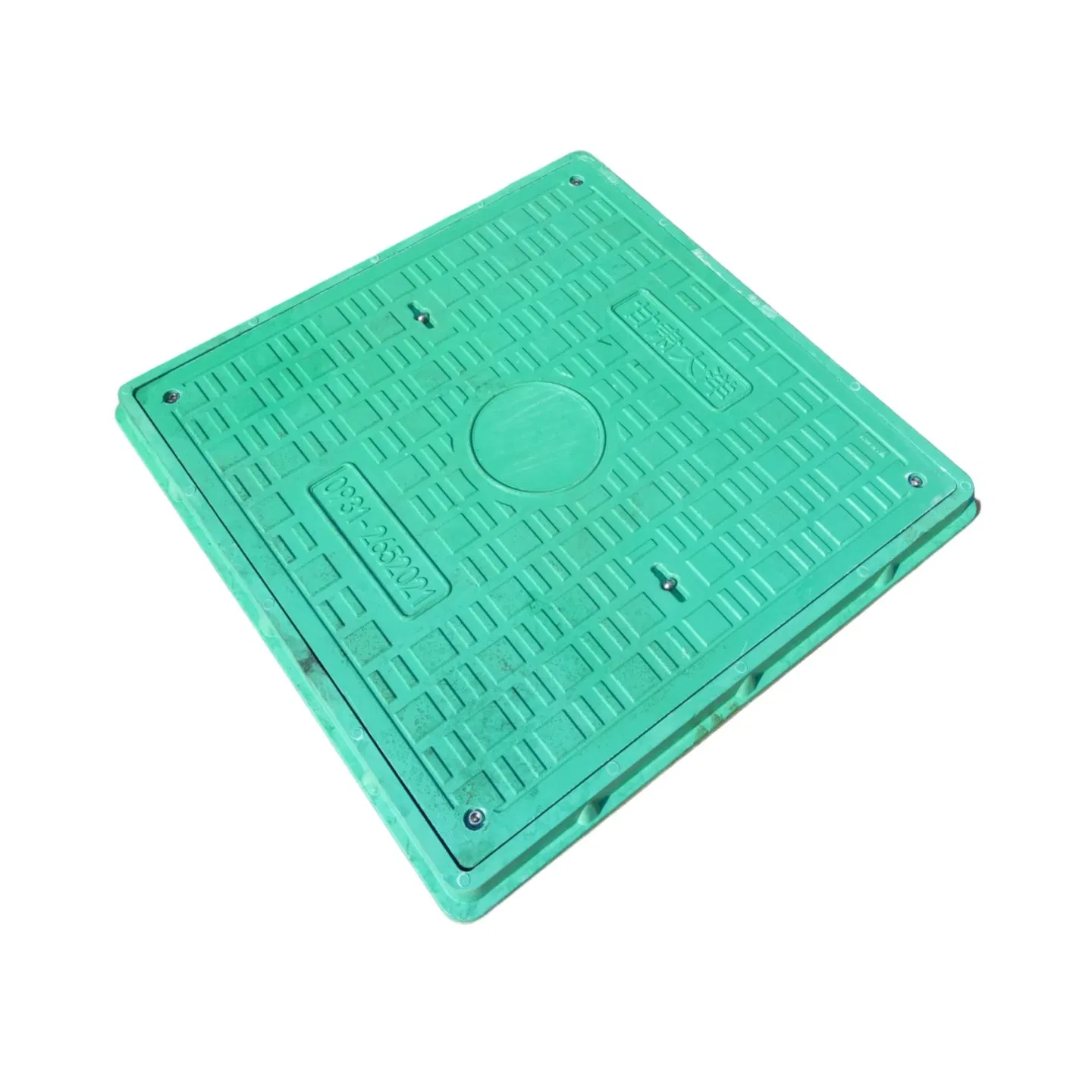
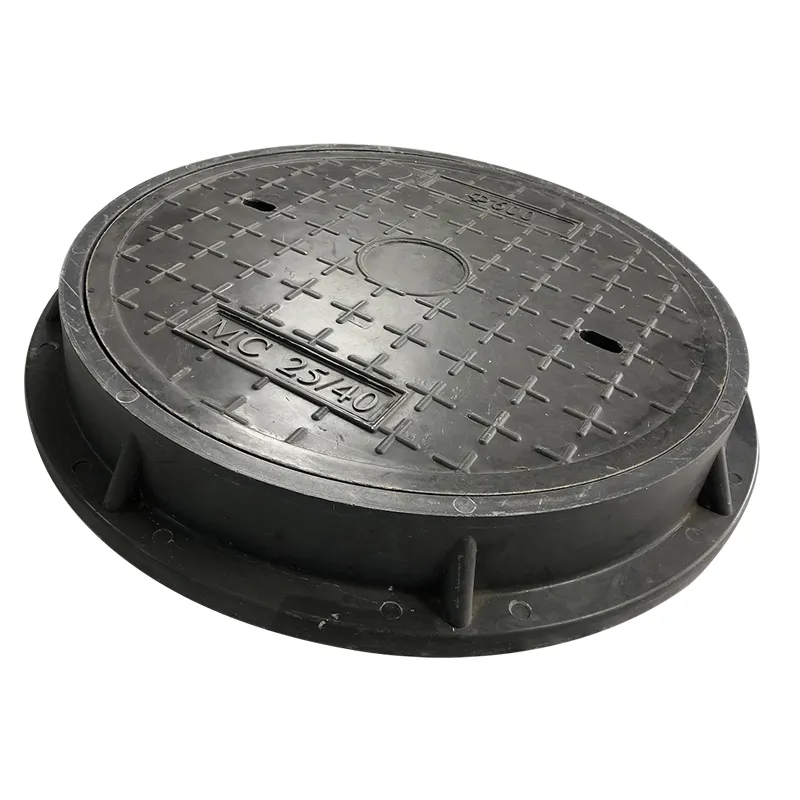
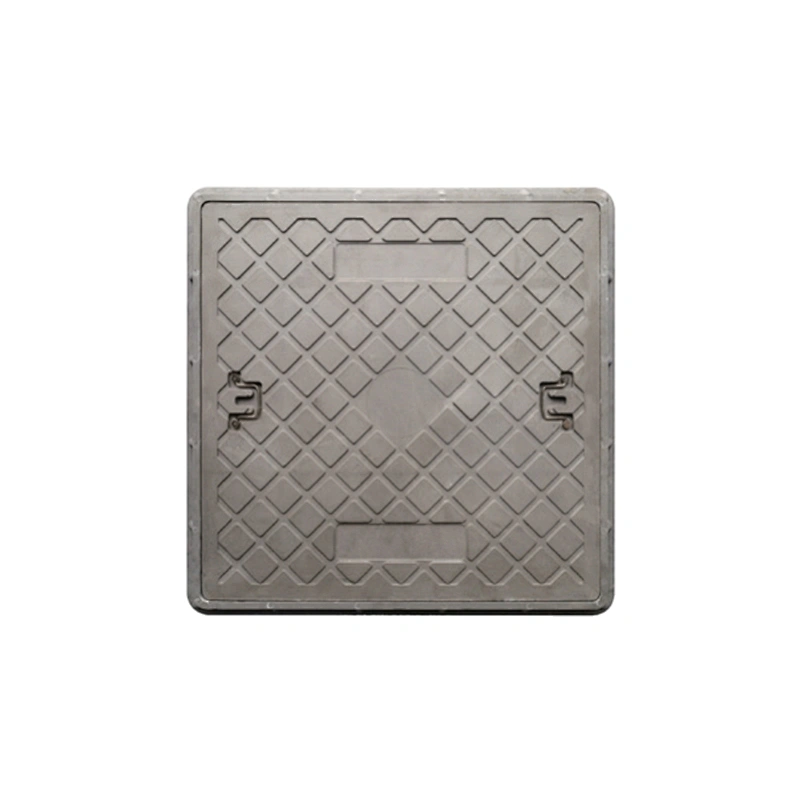
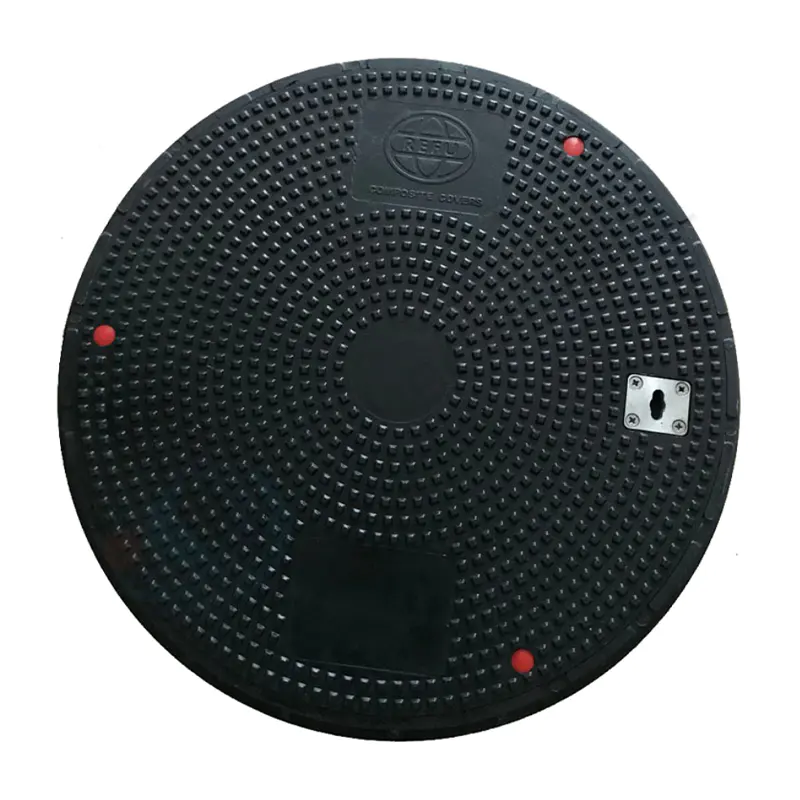
FRP manhole covers, also known as composite manhole covers or composite access covers, are access covers manufactured from fiber-reinforced polymer composites — a material system that combines thermosetting resins (typically polyester or vinylester) with glass fiber reinforcements. Unlike traditional metal or concrete alternatives, FRP covers offer a unique balance of high strength, low weight, and exceptional environmental resistance.
Understanding what makes FRP manhole covers different from conventional materials is the first step in evaluating any potential supplier. The manufacturing process, material composition, and quality control measures directly determine product performance in real-world installation conditions.
What Is an FRP Manhole Cover?
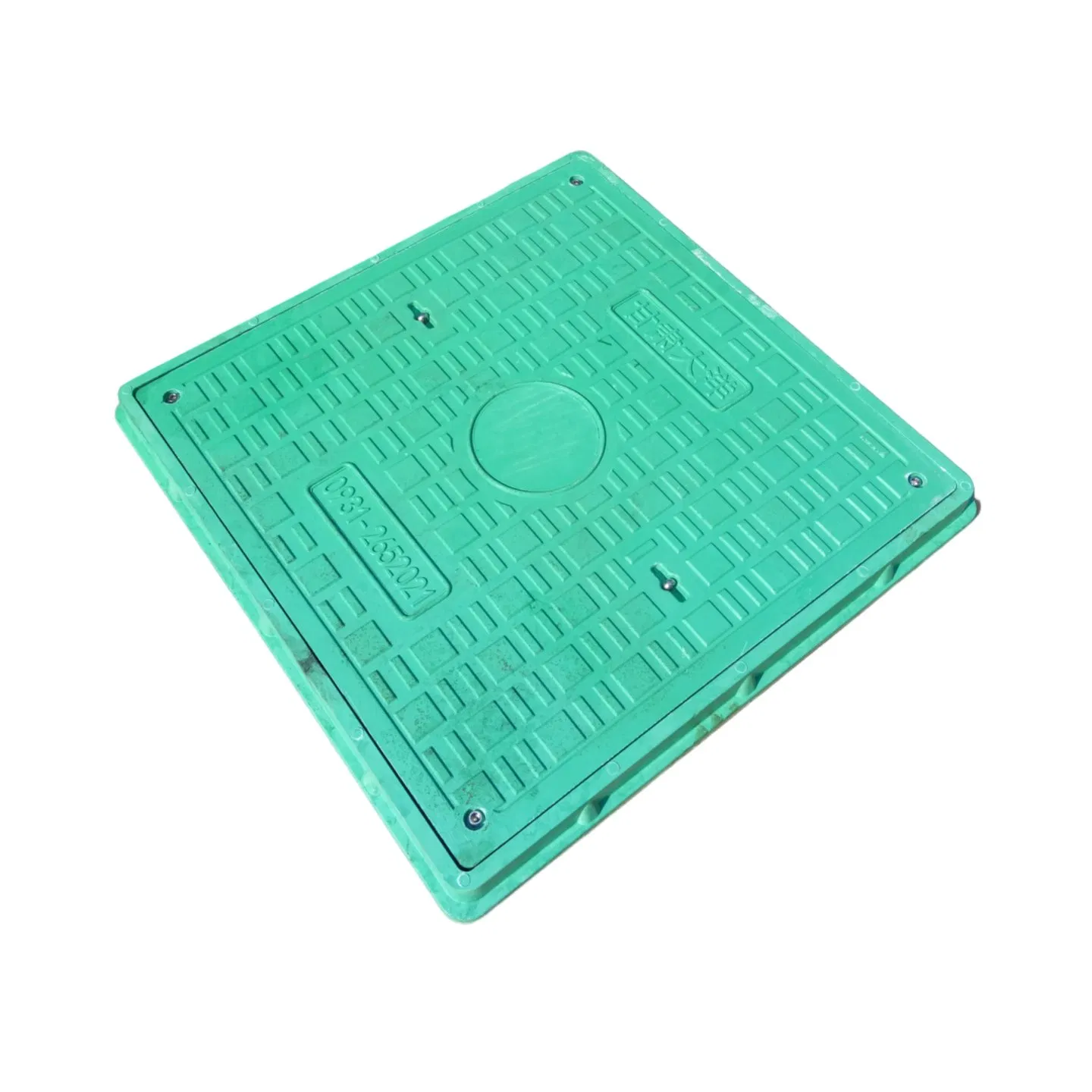
An FRP manhole cover (Fiber-Reinforced Polymer manhole cover) is a composite access cover manufactured using a combination of thermosetting resin, glass fiber reinforcement, and mineral fillers. The material is formed under high pressure and temperature in a hydraulic press to create a finished product with precise dimensional tolerances and consistent mechanical properties.
FRP manhole covers are engineered to replace traditional cast iron and concrete covers in applications where weight reduction, corrosion resistance, and non-metallic properties are advantageous. A typical FRP manhole cover weighs about one-third of an equivalent cast iron cover while maintaining comparable load-bearing capacity when properly manufactured.
For buyers, the term composite access cover is often used interchangeably with FRP manhole cover in international trade. A reputable composite access cover supplier will typically offer products in multiple load classes and sizes, with consistent material composition verified through batch testing.
FRP Manhole Cover vs Cast Iron vs Concrete
When evaluating FRP manhole cover options, buyers frequently compare them against traditional materials. Here is a practical comparison:
| Property | FRP Manhole Cover | Cast Iron Cover | Concrete Cover |
|---|---|---|---|
| Weight (600mm diameter) | 12–18 kg | 40–55 kg | 50–70 kg |
| Corrosion Resistance | Excellent | Poor (rusts) | Moderate |
| Load Capacity (EN124) | A15–D400 | A15–F900 | A15–D400 |
| Scrap Value | Negligible | High (theft risk) | Negligible |
| Installation Labor | Low (1 person) | High (2–3 persons) | High (2–3 persons) |
| Service Life | 20–30 years | 15–25 years | 10–20 years |
Why choose FRP manhole covers over concrete? FRP covers are significantly lighter, easier to install, and offer superior chemical resistance. For water and wastewater applications, FRP eliminates the spalling and degradation that concrete covers experience in acidic or humid environments.
FRP manhole cover vs cast iron — which is better? While cast iron offers higher maximum load ratings (up to F900), FRP covers excel in applications requiring corrosion resistance, theft deterrence (no scrap value), and ease of handling. For most municipal and industrial applications (A15–D400 loads), FRP is the more cost-effective choice over the product lifecycle.
Key Benefits and Service Life of FRP Manhole Covers
FRP manhole covers offer several distinct advantages that drive their increasing adoption worldwide:
- Lightweight construction — Typically 70% lighter than cast iron, reducing shipping costs and enabling single-person installation
- Corrosion resistance — Impervious to moisture, chemicals, sewage gases, and UV degradation when properly formulated
- Non-conductive and non-metallic — Safe for electrical infrastructure and zero scrap metal theft value
- Low maintenance — No painting, coating, or rust prevention required over the service life
- Anti-skid surface — Textured finish provides pedestrian and vehicle traction in wet conditions
- Noise reduction — FRP covers fit snugly in frames, eliminating the rocking and clattering common with cast iron
How long do FRP manhole covers last? A well-manufactured FRP manhole cover from a reputable manufacturer has a service life of 20 to 30 years under normal operating conditions. The lifespan depends on the quality of the resin system, glass fiber content, and manufacturing process control. High-quality SMC (Sheet Molding Compound) formulations with UV-stabilized resins can exceed 30 years in outdoor installations.
Common Applications for FRP Manhole Covers
Where are FRP manhole covers commonly used? The versatility of FRP manhole covers makes them suitable for a broad range of applications across multiple industries:
- Municipal utilities — Water supply, sewage systems, drainage networks, and telecommunications vaults
- Water and wastewater treatment plants — Tanks, channels, and access points requiring chemical resistance
- Electrical and telecommunications — Cable chambers, transformer vaults, and network access points where non-conductive materials are required
- Airports and seaports — Runway shoulders, taxiways, and dock areas where corrosion from saltwater is a concern
- Industrial facilities — Chemical plants, refineries, food processing plants, and pharmaceutical facilities
- Parks and pedestrian areas — Landscaping, pathways, and green spaces where appearance matters
The best composite access cover supplier for water industry projects should demonstrate proven experience in supplying corrosion-resistant products for wet environments, with documented case studies and client references from similar installations.
Key Certifications for FRP Manhole Cover Manufacturers
One of the most important factors when selecting an FRP manhole cover manufacturer is verifying that their products carry internationally recognized certifications. These certifications provide independent verification that the manufacturer's products meet specified performance and safety standards.
EN124 Certification — European Standard for Access Covers
EN124 is the European standard for manhole covers and gully gratings, specifying load classes from A15 (pedestrian areas, 15 kN) to F900 (airport runways, 900 kN). The standard was originally published in 1994 and revised as EN124:2015, introducing more rigorous testing requirements including fatigue testing for certain load classes. Do FRP manhole cover suppliers offer EN124 certified products? Yes — many reputable Chinese manufacturers now produce FRP manhole covers certified to EN124 load classes A15, B125, C250, and D400.
The EN124 certification process requires:
- Type testing — Each product model must pass load testing at 1.5× the rated load (e.g., a D400-rated cover is tested at 600 kN). The test applies the load through a rigid 250 mm × 250 mm steel pad positioned at the most adverse location on the cover.
- Dimensional verification — Clear opening, seating area, frame height, and cover thickness must comply with the standard's dimensional requirements.
- Marking and labeling — Certified covers must be permanently marked with the load class, standard reference, manufacturer identification, and production date.
- Factory production control (FPC) — The certification body audits the manufacturer's QC system to ensure ongoing compliance between type tests.
Always request the original test certificates from a recognized third-party laboratory such as SGS, TÜV, or Bureau Veritas. Certificates should clearly state the product model number, test date, applied load, and test results. Be cautious of self-declared compliance — genuine EN124 certification requires independent testing and ongoing surveillance audits.
AASHTO M306 — North American Standard
AASHTO M306 is the standard specification for manhole frames and covers used in highway and roadway applications across the United States and Canada. Published by the American Association of State Highway and Transportation Officials, this standard governs design, materials, and testing requirements for access covers in transportation infrastructure.
Key differences from EN124 include:
- Load classifications — AASHTO M306 defines four service classes: Class A (pedestrian, 20,000 lb / 89 kN), Class B (roadway, 40,000 lb / 178 kN), Class C (heavy traffic, 60,000 lb / 267 kN), and Class D (extra-heavy, 80,000 lb / 356 kN). These differ from EN124's kN-based load ratings.
- Testing methodology — AASHTO M306 uses a 9-inch (229 mm) diameter steel test plate rather than the 250 mm square plate specified in EN124. The test load is applied at a rate not exceeding 10,000 lb/min.
- Acceptance criteria — The cover must not deflect more than 0.25 inches (6.35 mm) under the proof load, and there must be no crack, fracture, or permanent deformation exceeding 0.05 inches (1.27 mm) after load removal.
- Material requirements — The standard specifies minimum tensile strength, yield strength, and elongation for metallic covers. For composite materials, manufacturers must provide equivalent performance data demonstrating compliance with the same load and deflection requirements.
For buyers targeting the North American market, confirming that a manufacturer can provide AASHTO M306-compliant products with documented test reports from an accredited laboratory is essential. Some Chinese manufacturers now maintain both EN124 and AASHTO M306 certifications to serve global markets.
CE Marking — European Market Access
CE marking is mandatory for manhole covers sold in the European Economic Area (EEA). The marking indicates that the product conforms to the applicable EU regulations, primarily the Construction Products Regulation (CPR — EU Regulation 305/2011).
For FRP manhole covers, CE marking is based on harmonized standard EN124 and requires:
- Declaration of Performance (DoP) — The manufacturer must issue a DoP declaring the essential characteristics of the product, including load-bearing capacity, fire performance, and release of dangerous substances.
- Assessment and Verification of Constancy of Performance (AVCP) — For manhole covers, AVCP System 1 applies, meaning the product must be type-tested by a notified body (e.g., SGS, TÜV, Bureau Veritas) and the factory production control must be audited annually.
- Notified body involvement — An EU-notified body performs the initial type testing, initial inspection of the factory, and ongoing surveillance audits at least once every 12 months.
CE marking is not optional — it is a legal requirement for selling manhole covers in EU member states. Buyers should verify that the manufacturer's CE certificate references the correct notified body number (e.g., NB 0120 for SGS, NB 0044 for TÜV SÜD) and covers the specific product models being purchased.
ISO 9001:2015 — Quality Management System
ISO 9001:2015 is the international standard for quality management systems. While not specific to manhole covers, it demonstrates that the manufacturer has implemented a structured approach to quality management and continuous improvement.
For a composite manhole cover manufacturer, ISO 9001:2015 certification should cover the scope of "Design and manufacture of composite manhole covers and access covers." Key clauses relevant to manufacturing quality include:
- Clause 7.1.5 — Monitoring and measuring resources — Requires that testing equipment is calibrated and traceable to international or national standards. This directly impacts the reliability of load testing and dimensional inspection results.
- Clause 8.3 — Design and development — For manufacturers offering custom sizes or specialized formulations, this clause ensures that product designs are reviewed, verified, and validated before production.
- Clause 8.4 — Control of externally provided processes — Ensures that purchased materials (resin, glass fiber, fillers) and outsourced services (SMC production if not in-house) meet specified requirements.
- Clause 8.5.1 — Control of production and service provision — Requires documented production processes, work instructions, and process monitoring — directly relevant to SMC molding parameters and press cycle control.
- Clause 10.1 — Non-conformity and corrective action — Ensures that quality issues are documented, root causes are analyzed, and corrective actions are implemented to prevent recurrence.
When reviewing a manufacturer's ISO 9001 certificate, verify that the certifying body is accredited by a recognized national accreditation body (e.g., UKAS, ANAB, CNAS) and that the certificate is current (typically valid for three years with annual surveillance audits).
Additional Certifications and Reports
Beyond the core certifications above, a well-qualified manufacturer should be able to provide:
- ISO 14001 — Environmental management system certification, increasingly required by European and North American buyers as part of corporate sustainability commitments
- ISO 45001 (formerly OHSAS 18001) — Occupational health and safety management, demonstrating the manufacturer's commitment to worker safety
- Material test reports — Including flexural strength (ASTM D790 or ISO 178), tensile strength (ASTM D638 or ISO 527), and impact resistance (ASTM D256 or ISO 180) data from qualified laboratories
- Fire resistance testing — For applications requiring fire-rated covers, test reports to standards such as BS 476 or EN 13501-1
- UV resistance testing — Accelerated weathering test results (ASTM G154 or ISO 4892) demonstrating color stability and mechanical property retention after UV exposure
A reliable composite manhole cover manufacturer will readily share certification documents and test reports during the evaluation process. If a manufacturer is hesitant or unable to provide these documents, it is a significant red flag. Request digital copies of all relevant certificates and verify their validity directly with the issuing body when possible.
Evaluating Production Capabilities of an FRP Manhole Cover Manufacturer
How are FRP manhole covers manufactured? The production process and equipment available at a manufacturing facility directly determine product quality, consistency, and production capacity. When evaluating a potential supplier, understanding their production infrastructure is essential.
SMC Production Line Requirements
Sheet Molding Compound (SMC) is the primary raw material used in high-quality FRP manhole cover production. The SMC production line is where the resin, glass fibers, fillers, and additives are combined into a sheet form that will later be compression molded.
Key factors to evaluate in the SMC line:
- Automated vs manual lines — Automated SMC lines ensure consistent material distribution and fiber wet-out, leading to uniform mechanical properties
- Resin formulation capability — The manufacturer should be able to adjust formulations for specific requirements (fire resistance, UV stability, chemical resistance)
- Glass fiber content control — Premium manufacturers maintain glass content at 25–35% by weight for optimal strength-to-weight ratio
- Paste viscosity monitoring — Consistent paste viscosity ensures uniform fiber impregnation and final product quality
A manufacturer operating its own SMC production line has significantly better quality control compared to one purchasing pre-made SMC from third-party suppliers. Owning the SMC line also enables custom formulation development for specialized applications.
Hydraulic Press Capacity and Specifications
The hydraulic press is the heart of the compression molding process for FRP manhole covers. The press applies heat and pressure to cure the SMC material into the finished product shape. Critical specifications to evaluate:
| Parameter | Minimum Requirement | Premium Standard |
|---|---|---|
| Press Tonnage | 500 tons | 1,000–2,500 tons |
| Platen Size | 1,000 × 1,000 mm | 1,500 × 1,500 mm or larger |
| Temperature Control | ±5°C | ±2°C |
| Pressure Control | Hydraulic with pressure gauge | Servo-controlled with programmable cure cycles |
| Cycle Time | 5–8 minutes | 3–5 minutes with optimized tooling |
Manufacturers with multiple presses of varying tonnage can handle a wider range of product sizes and production volumes. A factory equipped with 1,000-ton or larger presses can manufacture large-diameter covers (800 mm and above) and maintain faster cycle times for standard sizes.
Quality Testing and Inspection Equipment
Do composite manhole cover manufacturers provide test reports? A qualified manufacturer maintains an in-house quality control laboratory with the following testing capabilities:
- Universal testing machine (UTM) — For flexural strength, tensile strength, and compressive strength testing per ASTM or ISO standards
- Load testing rig — To verify load-bearing capacity per EN124 or AASHTO requirements, typically with hydraulic ram and calibrated load cell
- Hardness tester — Barcol or Rockwell hardness measurement for cure quality verification
- Density and porosity measurement — To ensure consistent material compaction and void-free structure
- Impact tester — Charpy or Izod impact resistance testing
- Conditioning chamber — For accelerated aging tests and UV exposure testing
Every production batch should have accompanying test documentation showing that the products meet the specified load class. Reputable manufacturers typically provide: Factory test certificates (in-house testing per batch) and Third-party test reports (from SGS, TÜV, or equivalent, conducted annually or per model).
Factory Audit Checklist for Importers
A factory visit is the most reliable way to verify a composite access cover supplier quality. For international buyers who cannot visit in person, third-party inspection agencies can conduct the audit on your behalf. Here is a comprehensive factory audit checklist:
Facility and Infrastructure
- Workshop area and layout — minimum 3,000 m² for a medium-scale manufacturer
- Raw material storage — climate-controlled resin and SMC storage
- Cleanliness and organization — 5S system implementation
- Fire safety equipment and ventilation systems
Production Equipment Verification
- SMC production line — manufacturer, model, annual output capacity
- Hydraulic presses — tonnage, quantity, brand (e.g., HPM, Ettinger, or local Chinese brands)
- Mold tooling — number of molds, condition, and maintenance records
- Annual production capacity — ask for past 12 months of production data
Quality Control System
- ISO 9001:2015 certification — verify the certificate scope includes manhole cover production
- Incoming material inspection — resin and glass fiber batch testing protocols
- In-process quality checks — weight verification, dimensional inspection during molding
- Final inspection — load testing, visual inspection, and marking verification before shipping
- Non-conformance management — how defects are tracked and corrected
Certification Verification
- EN124 or AASHTO test reports — confirm they match the products you intend to purchase
- Certifying body — SGS, TÜV, Bureau Veritas, or other recognized third-party labs
- Validity period — certifications should be current (typically valid 1–3 years)
For buyers asking how to verify a composite access cover supplier quality, the most effective method combines document review (certifications, test reports, company registration), virtual factory tour (video call walkthrough), and third-party inspection (SGS or TÜV audit report).
China’s FRP Manhole Cover Manufacturing Clusters
Leading composite manhole cover manufacturers in China are concentrated in three main regions, each offering distinct advantages. Understanding these clusters helps buyers balance cost, quality, and logistics when selecting a supplier.
Where to find composite manhole cover manufacturers near me? For international buyers, the majority of global supply comes from China. Each of the three clusters below serves different market segments and quality tiers.
Hebei Province — Scale and Cost Leadership
Hebei Province, particularly the Hengshui and Cangzhou areas, is the largest concentration of FRP and composite manufacturers in China. The region has a long history in fiberglass and composites manufacturing dating back to the 1980s.
Advantages:
- Scale — Hundreds of manufacturers create a highly competitive market with cost advantages
- Raw material ecosystem — Local suppliers of resin, glass fiber, and additives reduce material costs
- Experienced workforce — Decades of composites manufacturing knowledge in the local labor pool
- Lower pricing — Generally 10–15% lower than other regions due to scale and competition
Disadvantages:
- Variable quality — Wide range of quality levels; significant due diligence required
- Export experience — Some smaller factories lack international trade expertise and documentation capability
- Certification gaps — Many factories produce for domestic market and may not hold EN124 or AASHTO certifications
Hebei is ideal for volume buyers with established quality control processes who can manage supplier qualification independently.
Shandong Province — Balanced Production Hub
Shandong Province, with manufacturing centers in Dezhou, Binzhou, and Weifang, represents the middle ground between Hebei's cost focus and Zhejiang's quality orientation. Shandong has a strong industrial manufacturing base with well-developed port infrastructure in Qingdao and Yantai.
Advantages:
- Balanced quality — Generally better quality control than Hebei at comparable price points
- Port proximity — Qingdao Port provides excellent shipping connections to North America and Europe
- Export infrastructure — Established freight forwarding and customs broker networks
- Mid-range positioning — Good value proposition for buyers seeking certified products at competitive prices
Disadvantages:
- Less specialization — Fewer FRP-focused manufacturers compared to Hebei's cluster density
- Medium scale — Production volumes typically lower than Hebei's largest factories
Shandong is well-suited for mid-volume buyers who need EN124-certified products and reliable export logistics without paying premium Zhejiang prices.
Zhejiang Province — Quality and Export Excellence
Zhejiang Province, encompassing manufacturing hubs in Hangzhou, Ningbo, and Taizhou, is home to China's most export-oriented best composite manhole cover manufacturers in China. The region's manufacturers serve demanding international markets including Western Europe, North America, and Australia.
Advantages:
- Premium quality — Consistent product quality with rigorous QC processes and international certification
- Export expertise — Extensive experience with export documentation, international standards, and buyer requirements
- Certification readiness — Most reputable manufacturers already hold EN124, AASHTO, CE, and other international certifications
- Innovation capability — Stronger R&D capabilities for custom formulations and product development
- Ningbo Port — One of the world's busiest ports with comprehensive shipping routes
Disadvantages:
- Higher pricing — Premium of 15–25% compared to Hebei manufacturers
- Higher MOQ — Larger factories may require higher minimum order quantities for custom products
Zhejiang is the preferred sourcing region for quality-sensitive buyers, including municipal water authorities, telecommunications companies, and infrastructure contractors who prioritize reliability and certification compliance.
FRP Manhole Cover Quality Control and Testing
A comprehensive FRP manhole cover manufacturer implements a multi-layered quality control system that spans the entire production process — from incoming raw material inspection through final product validation. Understanding a supplier's QC framework is essential for buyers who need consistent product quality across large-volume orders and repeat shipments.
Incoming Raw Material Inspection
Quality begins with the raw materials. A rigorous QC program starts at the receiving dock, where every batch of incoming material is tested before entering the production stream:
- Resin testing — Each resin batch is checked for viscosity, gel time, acid value, and solid content. These parameters determine how the resin will perform during molding and directly affect the final mechanical properties of the cover.
- Glass fiber verification — Fiber bundles are tested for tex (linear density), moisture content, and sizing compatibility with the resin system. Inconsistent glass fiber quality produces covers with variable strength.
- Filler analysis — Calcium carbonate and other mineral fillers are tested for particle size distribution, moisture content, and purity. Improper filler quality can lead to surface defects and reduced impact resistance.
- SMC paste quality — For manufacturers operating their own SMC line, the paste viscosity and thickening behavior are monitored daily to ensure consistent sheet properties.
In-Process Quality Control
During production, QC personnel monitor critical process parameters at defined intervals:
- SMC sheet weight check — Every roll of SMC is weighed and recorded. The sheet weight per square meter directly correlates with the final product weight and mechanical performance.
- Mold temperature verification — Platen temperature is checked at the start of each shift and logged. Temperature deviations beyond ±3°C can cause incomplete curing or surface defects.
- Charge pattern inspection — The SMC charge placed in the mold is visually inspected for correct placement and coverage before the press cycle begins.
- Cure cycle monitoring — Press cycle parameters (pressure, temperature, duration) are recorded for every cycle via automated press controllers or manual logs.
- First-piece inspection — The first cover produced after a mold change or shift change undergoes full dimensional and visual inspection before production continues.
Final Product Testing
Before any product leaves the factory, it must pass a battery of tests that verify compliance with the specified standard:
- Load testing — Samples from each production batch are tested on a calibrated hydraulic press with a load cell to verify load class compliance. For EN124 D400 covers, the test load of 400 kN (approximately 40 tons) is applied through a rigid plate, and the cover must show no crack or permanent deformation exceeding 5% of the nominal diameter.
- Dimensional inspection — Every cover is checked for diameter, thickness, height, and frame seating using calibrated gauges. Dimensional tolerances typically follow EN124 requirements of ±2 mm on diameter and ±1 mm on seating height.
- Visual inspection — 100% of covers undergo visual inspection for surface defects including cracks, voids, porosity, warpage, discoloration, and edge chipping. Rejected units are marked, segregated, and documented in the non-conformance register.
- Weight verification — Each cover is weighed and recorded. Weight deviation beyond ±5% from the specification triggers investigation and potential batch rejection.
- Hardness testing — Barcol hardness readings are taken from random samples to verify complete resin cure. Readings below the established baseline indicate under-cured material that will have reduced mechanical properties.
Batch Traceability System
A reputable composite manhole cover manufacturer maintains a full traceability system linking every finished product back to its raw material batches and production parameters. Each cover is marked with a production date code, mold number, and batch identifier. This traceability enables rapid root cause analysis if a quality issue is discovered in the field.
Quality Documentation Practices
Buyers should expect the following quality documentation from a qualified manufacturer:
- Factory test certificates — Issued per production batch, documenting load test results, dimensional measurements, and visual inspection outcomes
- Material certificates — Resin and glass fiber batch certificates from upstream suppliers
- Calibration records — Evidence that load cells, gauges, and thermometers are calibrated at regular intervals (typically annually) with traceability to national standards
- Non-conformance reports — Documentation of any quality deviations and the corrective actions taken
- Third-party test reports — Periodic independent testing by SGS, TÜV, Bureau Veritas, or similar accredited laboratories
When evaluating a potential supplier, request copies of their QC documentation and, if possible, schedule a virtual or in-person walkthrough of their quality control laboratory. The presence of well-maintained testing equipment and organized documentation is a strong indicator of a manufacturer's commitment to quality.
How to Choose a Reliable FRP Manhole Cover Manufacturer
After evaluating certifications, production capabilities, and regional advantages, the final selection process involves practical commercial considerations including MOQ, pricing, samples, and custom requirements. This section provides actionable guidance on each factor.
MOQ and Lead Time Considerations
Minimum Order Quantity (MOQ) and lead time are critical factors in supply chain planning when sourcing composite access covers from international suppliers.
Typical MOQ ranges by supplier type:
- Large Zhejiang manufacturers — MOQ of 200–500 pieces per size for standard products; 500–1,000 for custom sizes
- Mid-sized Shandong factories — MOQ of 100–300 pieces per size; more flexible on mixed containers
- Small Hebei workshops — MOQ as low as 50–100 pieces; highest flexibility for trial orders
Lead time expectations:
- Standard products (existing molds) — 15–30 days from order confirmation
- Custom sizes (new mold required) — 30–50 days including mold fabrication (7–15 days)
- Sample production — 7–15 days for standard samples; 20–30 days for custom samples
First-time buyers should request a trial order (20–50 pieces) before committing to full container orders. Many manufacturers will accommodate sample orders at a premium unit price to establish the relationship.
Price Negotiation Strategies
Understanding pricing structures helps buyers negotiate effectively and identify fair market rates. Regarding the FRP manhole cover manufacturer price list and composite manhole cover manufacturer factory price, here are realistic benchmarks and negotiation strategies:
Estimated price ranges (FOB China, per piece for standard round covers):
| Size / Load Class | Hebei Range (USD) | Shandong Range (USD) | Zhejiang Range (USD) |
|---|---|---|---|
| 600mm / C250 | $18–$28 | $22–$32 | $28–$40 |
| 600mm / D400 | $28–$40 | $32–$45 | $38–$55 |
| 800mm / D400 | $45–$65 | $50–$70 | $60–$85 |
Price negotiation strategies:
- Volume leverage — Request tiered pricing at 500, 1,000, and 5,000 pieces
- Annual contract — Offer a 12-month volume commitment in exchange for 5–10% discount
- Payment terms — Favorable terms (larger deposit, LC) can reduce pricing 2–3%
- Design simplification — Standard sizes and colors cost less than custom specifications
- Combined shipping — Mixing multiple product sizes in one container reduces per-unit logistics cost
- Off-peak ordering — Chinese factories are typically less busy during February (CNY) and July–August
When comparing composite access cover supplier price list comparison options, always ensure you are comparing equivalent specifications — same load class, same material composition (SMC vs BMC), same surface finish, and same testing/certification package.
Sample Request and Approval Process
The sample stage is a critical step in the supplier evaluation process. The best supplier is the one that passes your sample evaluation. Here is a structured workflow for requesting and evaluating samples:
Sample Request Process
- Specification sheet — Provide detailed drawings or specifications including diameter, load class, color, surface texture, and any custom features
- Sample cost agreement — Clarify whether samples are free (common for standard products) or charged (typical for custom sizes). Many manufacturers offer free samples with the buyer covering courier costs
- Production timeline — Confirm lead time (typically 7–15 days for standard samples)
- Shipping arrangement — Decide on courier (DHL, FedEx, UPS for small samples) or sea freight (for bulk sample orders)
Sample Evaluation Checklist
- Dimensional accuracy — Measure diameter, thickness, and frame fit using calibrated tools
- Weight check — Verify weight matches the manufacturer's specification sheet
- Surface quality — Check for cracks, voids, warpage, or color inconsistency
- Load test — If possible, conduct a third-party load test to verify load class rating
- Frame compatibility — Test the cover in its frame — fit should be snug without excessive gap or rocking
- Certification cross-check — Verify that the sample matches the certified product model
- Mold cost — Custom sizes require new mold fabrication, typically costing $800–$3,000 depending on size and complexity. Some manufacturers waive mold costs for large production orders (1,000+ pieces)
- Lead time — Add 7–15 days for mold fabrication on top of standard production time
- Minimum order — Custom sizes typically carry higher MOQ requirements (300–500 pieces minimum)
- Color matching fee — One-time charge of $100–$300 for the RAL color matching process
- Minimum quantity — Typically 200+ pieces for custom color runs to justify production line cleaning and material changeover
- Lead time extension — Custom colors may add 3–5 days to the production schedule
- Corrosion resistance to hydrogen sulfide (H₂S) gas present in sewage atmospheres
- Lightweight construction for single-person installation in confined access areas
- Non-metallic material to eliminate scrap metal theft in remote installation sites
- UV resistance for outdoor installations in extreme desert solar exposure
- Five-year warranty with documented quality traceability
- Supplier A (Zhejiang, China) — Operated two automated SMC lines, seven hydraulic presses (600–1,500 ton), and a fully equipped QC laboratory with a 600 kN universal testing machine. Held current EN124 certification from SGS for five product models. Batch traceability was fully implemented with digital records. Scored highest in all categories.
- Supplier B (Zhejiang, China) — Good production capacity but relied on purchased SMC from a third-party supplier, limiting their ability to control material quality. QC lab was equipped but calibration records were incomplete.
- Supplier C (Turkey) — Excellent European certification compliance with CE marking and EN124 certificates from TÜV. However, production capacity was limited to 500 covers per day, which could not meet the project delivery schedule.
- Supplier D (India) — Competitive pricing but lacked in-house load testing capability and held no current third-party EN124 certification. Audit identified several gaps in the quality management system.
- Zero quality rejections — All 8,420 delivered covers passed the authority's incoming inspection, including random third-party load testing of 1% of each shipment
- On-time delivery rate — 97.3% across 14 shipments, exceeding the contract target of 95%
- Cost savings — The lightweight FRP covers reduced installation labor costs by an estimated 40% compared to equivalent cast iron covers, saving approximately $180,000 in total installation expenses
- Zero theft incidents — Over two years of field service, no covers were reported stolen, compared to a historical average of 3–5% annual theft rate with cast iron covers in the same region
- Supplier development — The manufacturer used the partnership experience to achieve ISO 14001 certification and expand their product line to include additional EN124 load classes
- Invest in third-party audits — The $3,500 cost of the SGS factory audit was recouped many times over by preventing quality issues and delivery delays
- Look beyond price — Supplier A was not the lowest-cost option (15% above the lowest quote) but delivered the best total value when quality, delivery reliability, and warranty were factored in
- Start with a pilot order — The 200-piece pilot order allowed both parties to establish quality expectations, documentation workflows, and communication protocols before the main production run
- Verify certification validity — Always check that EN124 or AASHTO certificates are current and issued by a recognized body. Several candidates presented expired or self-declared certifications that did not meet the project requirements
Keep one sample as a reference standard for future production quality comparison. A reputable FRP manhole cover manufacturer will maintain consistent quality between samples and production batches.
Custom Sizes and Colors
Can FRP manhole cover manufacturers make custom sizes? Yes, most reputable manufacturers offer custom manufacturing services. The key considerations for custom orders include:
Can composite manhole cover manufacturers produce custom colors? Yes. While standard colors are gray (RAL 7035), black, or green, many manufacturers can produce custom RAL colors. Color customization may require:
Best composite access cover supplier for water industry projects? For water and wastewater applications, look for manufacturers who offer custom sizes with specific features such as: gasket sealing for odor containment, reinforced ribbing for higher load ratings, and chemical-resistant resin formulations for sewage environments.
Conclusion
Selecting the right FRP manhole cover manufacturer is a multi-dimensional decision that requires careful evaluation of certifications, production capabilities, factory infrastructure, and commercial terms. By following the framework outlined in this guide — from verifying EN124 and AASHTO certifications to auditing SMC production lines and hydraulic press capacity, understanding regional strengths in Hebei, Shandong, and Zhejiang, negotiating pricing strategically, and implementing a structured sample approval process — you can confidently identify a reliable partner for your infrastructure projects.
The global shift toward composite access solutions continues to accelerate, driven by the superior lifecycle value, corrosion resistance, and installation efficiency of FRP manhole covers. Whether you need a composite access cover supplier for municipal water projects, a composite manhole cover manufacturer for industrial applications, or a long-term strategic partner for ongoing supply, the principles in this guide will serve as your reference for making an informed procurement decision.
Remember: the cheapest quote is rarely the best value. A supplier who can demonstrate proper certifications, maintain in-house SMC production and testing equipment, and provide transparent communication throughout the sample and ordering process is worth the premium over an unverified low-cost alternative.
Start your search by requesting samples and certification documents from shortlisted manufacturers in each of China's three major clusters, and let the evidence guide your final selection.
Case Study: Successful Supplier Partnership
Background: Middle East Municipal Water Authority
A municipal water authority in the United Arab Emirates was undertaking a major sewer network expansion project serving a population of approximately 500,000 residents. The project required over 8,000 manhole covers for new sewer manholes, pumping station access points, and ventilation shafts. The specification called for EN124 D400-rated covers with the following requirements:
The Supplier Selection Process
The procurement team evaluated 12 potential composite manhole cover manufacturer candidates across three countries — China, Turkey, and India. The evaluation framework included four weighted criteria categories:
| Evaluation Criteria | Weight | Assessment Method |
|---|---|---|
| Certification compliance | 30% | Third-party EN124 test reports, ISO 9001 certificate verification |
| Production capability | 25% | Factory audit report, SMC line verification, press capacity assessment |
| Quality control system | 25% | QC lab inspection, batch traceability audit, non-conformance records review |
| Commercial terms | 20% | Pricing, MOQ, payment terms, lead time, warranty coverage |
Shortlisted Suppliers and Factory Audits
After the initial document review, four manufacturers were shortlisted for detailed evaluation. Two were from Zhejiang Province, China, one from Izmir, Turkey, and one from Gujarat, India. The procurement team commissioned third-party factory audits through SGS for the Chinese candidates and conducted virtual audits for the Turkish and Indian manufacturers.
The audit findings revealed significant differences in quality control maturity:
Selection Decision and Partnership Results
Supplier A was selected as the primary composite access cover supplier for the project. The partnership commenced with a pilot order of 200 covers in three different sizes (600 mm round for standard manholes, 800 mm round for pumping stations, and 600 × 600 mm square for ventilation shafts).
Key outcomes over the 18-month project period:
Lessons for Buyers
This case illustrates several key takeaways for procurement professionals evaluating composite manhole cover manufacturer options: