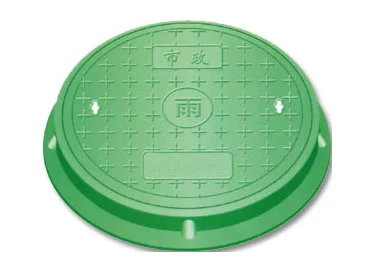
Introduction — Why Choose a Composite Manhole Cover for Your Driveway
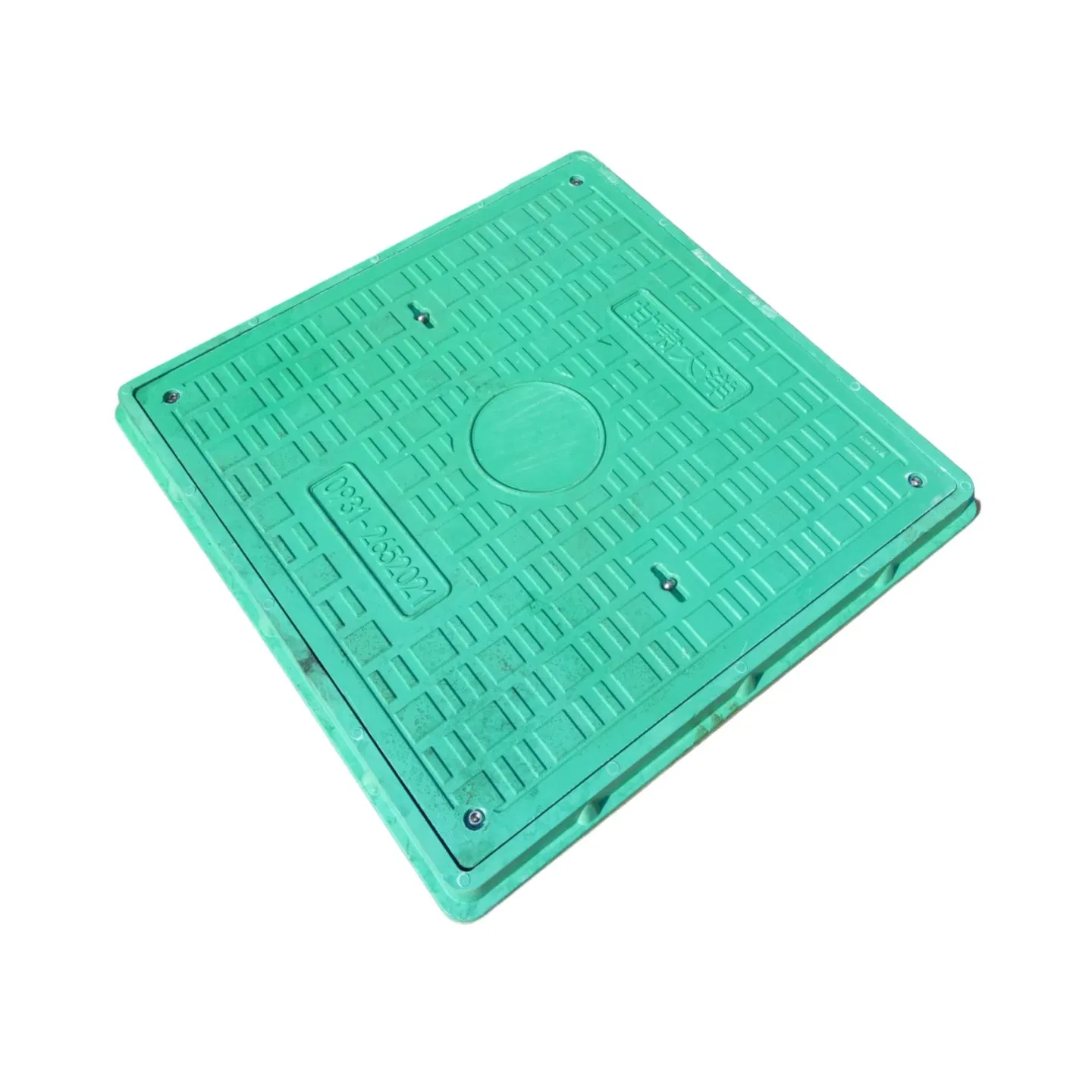
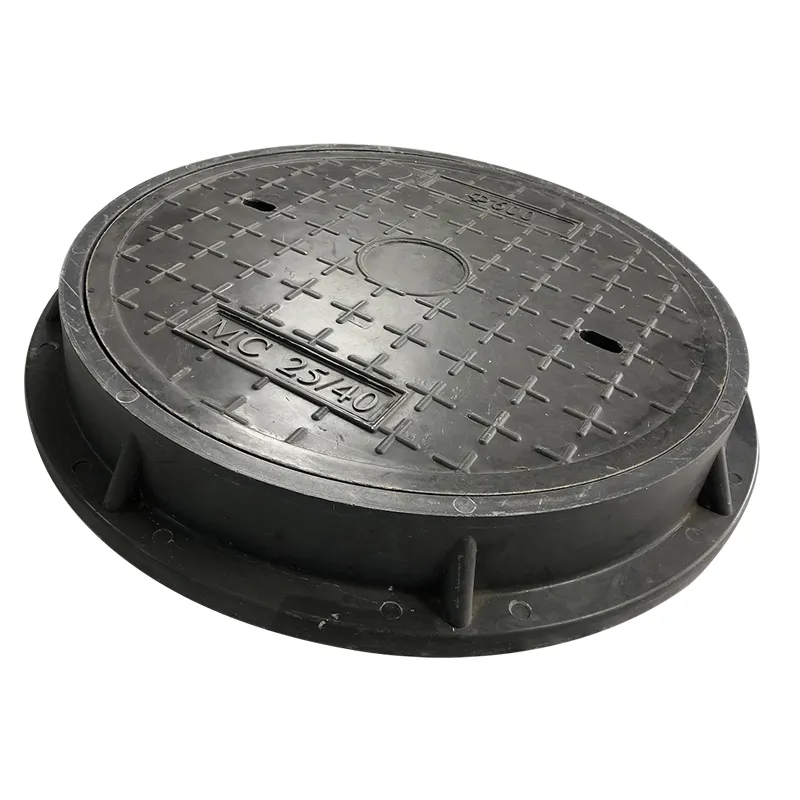
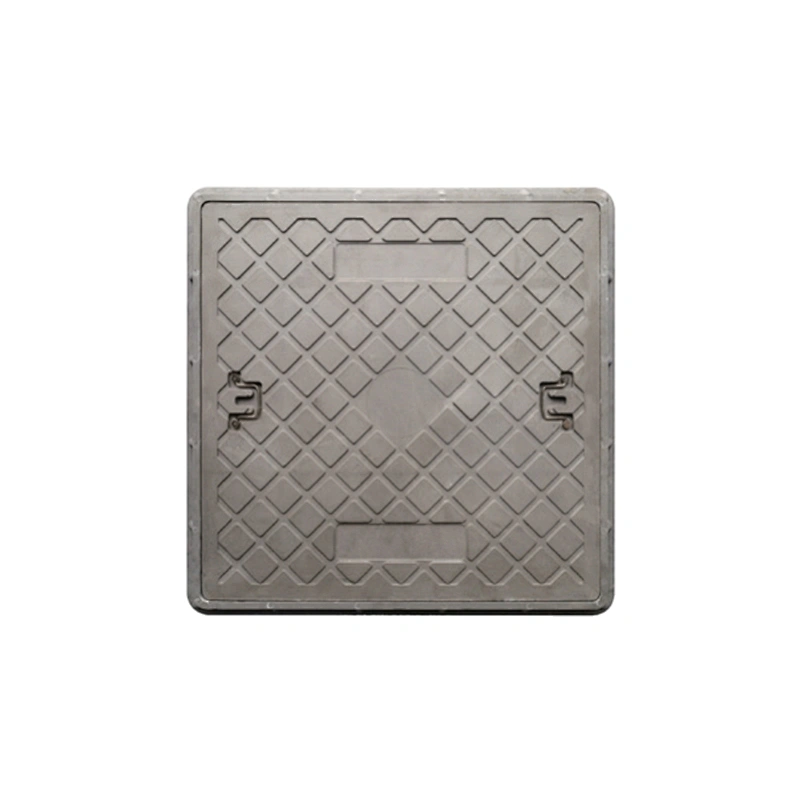
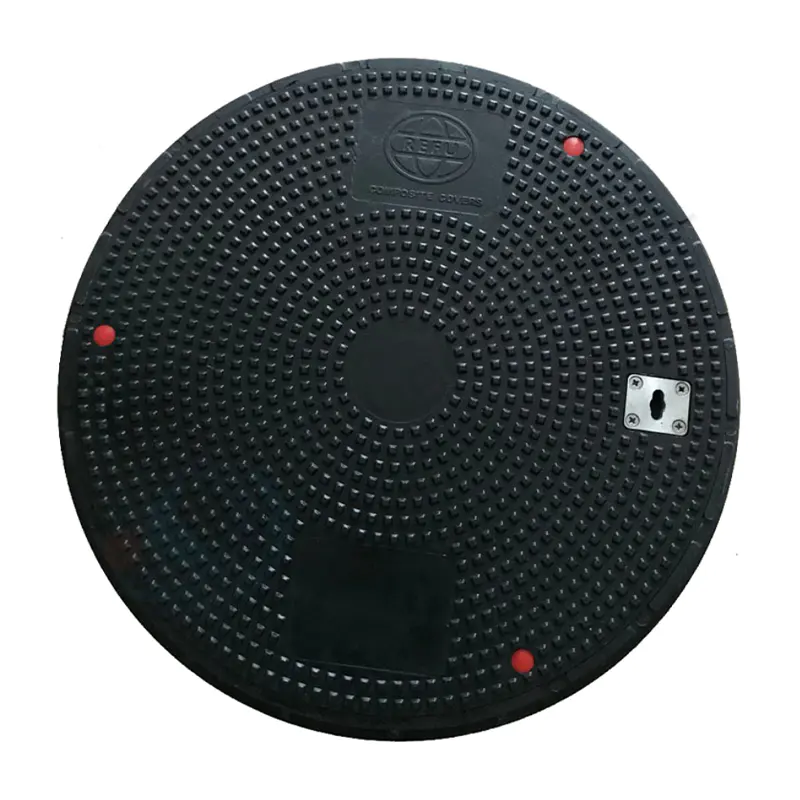
If you are looking to buy a composite manhole cover for driveway installation, you are making a smart investment in durability, safety, and curb appeal. When you buy composite manhole cover for driveway applications, composite (FRP/SMC) covers offer superior strength-to-weight ratios, corrosion resistance, and aesthetic flexibility compared to traditional cast iron alternatives.
This comprehensive buying guide covers everything you need to know — from load rating requirements (B125, C250, and D400) and proper sizing to EN124 certification, installation best practices, and pricing. Whether you are a homeowner upgrading a private driveway, a contractor specifying materials for a new development, or a distributor looking for reliable supply, this article will help you make an informed purchase for your driveway project with confidence.
Composite manhole covers are manufactured using sheet molding compound (SMC) or fiber-reinforced polymer (FRP), materials engineered to withstand heavy vehicle loads while remaining lightweight. A typical composite cover weighs 60–70% less than a cast iron equivalent of the same size and load rating, making transport and installation significantly easier. Moreover, composite covers do not rust, corrode, or deteriorate when exposed to moisture, road salts, and UV radiation — a critical advantage for driveway applications where long-term performance matters.
Throughout this guide, we address the most common questions property owners and professionals ask: What load rating do I need for my driveway? How does a composite cover compare to cast iron? Are EN124 certified covers worth the investment? Where can I buy them at competitive prices? Read on for detailed answers and practical recommendations.
Understanding Driveway Load Ratings: B125, C250, and D400
EN124 Load Classification Overview
The EN124 standard (now updated to EN 124:2015) defines six load rating classes for manhole covers and gully tops. For driveway applications, the three most relevant classes are:
| Class | Load Capacity | Recommended Application |
|---|---|---|
| B125 | 125 kN (12.5 tonnes) | Private driveways, pedestrian areas, car parks (passenger cars only) |
| C250 | 250 kN (25 tonnes) | Residential driveways with occasional delivery trucks, car parks, slow-traffic areas |
| D400 | 400 kN (40 tonnes) | Commercial driveways, roadways, highways, areas with heavy truck traffic |
Which Load Rating for a Driveway?
For a standard private driveway used solely by passenger vehicles, a B125 rated composite manhole cover is generally sufficient. B125 covers withstand up to 12.5 tonnes of load — well above the weight of a typical SUV or pickup truck.
However, if your driveway regularly accommodates delivery vans, garbage trucks, or construction vehicles, we recommend upgrading to C250 (25-tonne) or D400 (40-tonne) rated covers. A composite manhole cover for driveway D400 rated provides maximum safety for commercial-grade driveways and ensures compliance with local building codes that may require higher load ratings for fire truck access routes.
A common question we receive is about the heavy duty composite manhole cover load rating D400 — this is the standard for road-use applications. A D400-rated composite cover weighs approximately 35–45 kg, compared to 80–100 kg for a cast iron D400 cover, while delivering identical load performance. This makes the composite manhole cover for driveway load rating decision both a safety and a logistical consideration.
For the best heavy duty composite manhole cover for road use, always verify EN124 certification and request test reports from the manufacturer. A certified D400 cover will have passed rigorous laboratory load testing and factory production control inspections.
Composite vs Cast Iron Manhole Covers for Driveway Use
When deciding between composite and cast iron manhole covers for driveway applications, property owners and contractors evaluate several factors: weight, durability, corrosion resistance, cost, and aesthetics. Here is a direct comparison to help you decide.
| Factor | Composite (FRP/SMC) | Cast Iron |
|---|---|---|
| Weight (600×600 C250) | ~20–25 kg | ~55–70 kg |
| Corrosion Resistance | Excellent — no rust | Prone to rust over time |
| Load Capacity | B125 to F900 (EN124) | B125 to F900 (EN124) |
| Tensile Strength | High — engineered composite | High — but brittle under impact |
| Scrap Value | None — theft-resistant | High — theft target |
| Custom Colors | Yes — wide range | No — limited to painting |
| Installation Effort | Easy — 1–2 workers | Heavy — equipment often needed |
| Typical Lifespan | 30+ years | 20–30 years (with maintenance) |
Key Advantages of Composite for Driveways
1. Theft Resistance. Cast iron covers have high scrap metal value, making them a frequent target for theft. Composite covers have virtually zero scrap value, eliminating this risk entirely — a significant advantage for rural driveways and unmonitored locations.
2. Corrosion-Free Performance. Driveways are exposed to rain, snow, de-icing salts, and chemical runoff. Cast iron covers will eventually rust, particularly around the edges and lifting holes. Composite covers are inherently corrosion-resistant and require no painting or protective coating.
3. Noise Dampening. Composite covers fit snugly in their frames and do not rock or clatter when vehicles drive over them. This is a notable improvement over cast iron, which often produces a loud metallic noise — especially relevant for driveways adjacent to bedrooms.
When comparing heavy duty composite vs cast iron manhole cover which is better for driveways, composite consistently wins on weight, corrosion resistance, theft deterrence, and noise. Cast iron retains an advantage in impact resistance (a sledgehammer will damage composite before cast iron), but this is rarely a concern in standard driveway use.
How to Choose the Right Size Composite Manhole Cover for Your Driveway
Selecting the correct size is as important as choosing the right load rating. Composite manhole covers are manufactured in a wide range of standard dimensions, and most driveway applications use one of the following common sizes:
- 600 × 600 mm — The most popular square size for residential driveways. Fits standard concrete frame openings and is widely available in B125, C250, and D400 ratings.
- 600 × 450 mm — A rectangular option often used for narrower trench covers or access pits alongside driveways.
- 750 × 600 mm — Common for larger access chambers on commercial driveways or multi-vehicle parking areas.
- Round Ø600 mm or Ø800 mm — Used for circular access shafts. Round covers are self-locking (cannot fall through the frame), making them a safe choice for deep chambers.
How to Choose the Right Size
Step 1: Measure the existing frame or opening. If you are replacing an old cover, measure the clear opening (the inner dimension of the frame) and the overall frame size. Order a composite cover that matches both the clear opening and the frame type — composite covers typically require a compatible frame designed for composite installation.
Step 2: Verify the load rating for your vehicle traffic. A composite drive over manhole cover for sale should match the heaviest vehicle that will cross it. For passenger cars only, B125 is adequate. For occasional truck access, choose C250 or D400.
Step 3: Check the depth of your chamber. Composite covers sit flush with the finished surface (typically 40–60 mm thick, depending on rating). Ensure your frame has sufficient depth to accommodate the cover thickness without protruding above the pavement.
Step 4: Consider shape. Square covers are easier to align with driveway paving patterns, while round covers offer superior load distribution. For how to choose composite manhole cover for driveway applications, square 600×600 mm is the standard recommendation unless your chamber has a round opening.
If you are unsure about sizing, most manufacturers provide dimensional drawings and will confirm compatibility when you buy a composite manhole cover for driveway use. Always provide the clear opening size, frame type, and required load rating when requesting a quote.
EN124 Certification — What It Means for Driveway Applications
EN124 is the European standard that specifies performance requirements for manhole covers and access covers. It has become the de facto global benchmark for quality and safety. When you encounter a composite manhole cover for sale EN124 rated, it means the product has been independently tested and certified to meet the load requirements of its designated class.
What EN124 Certification Covers
- Load testing: The cover must withstand a specified test load without cracking, permanent deformation exceeding 5% of the span, or any structural failure.
- Skid resistance: The surface must provide adequate traction for pedestrians and vehicles — especially important for driveway use where wet leaves, rain, or ice can create slippery conditions.
- Durability: The cover must endure repeated load cycles without degradation.
- Lifting safety: The cover must include a safe lifting mechanism (keyhole, double-tab, or recessed handle) that does not compromise the load-bearing surface.
When evaluating a composite manhole cover EN124 certification, always ask the supplier for a copy of the test certificate from an accredited body such as BSI, TÜV, SGS, or Bureau Veritas. This certificate confirms the cover meets the specified class requirements.
EN124 Load Ratings Explained
The EN124 composite manhole cover load ratings explained simply: each class (A15, B125, C250, D400, E600, F900) corresponds to a test load in kilonewtons (kN). For driveway use, the critical ratings are:
- B125 (125 kN / 12.5 tonnes) — Light-duty driveways and pedestrian areas.
- C250 (250 kN / 25 tonnes) — Standard residential driveways with occasional heavier traffic.
- D400 (400 kN / 40 tonnes) — Heavy-duty driveways, main roads, highways.
Choosing an EN124 approved composite manhole cover for sale wholesale ensures that every unit you receive meets consistent quality standards. Reputable manufacturers mark the EN124 class and certification number directly on the cover surface for traceability.
The best heavy duty composite manhole cover for road use will always carry a D400 EN124 certification. Do not accept uncertified "equivalent" claims — always verify with test documentation. An EN124 certified cover may cost 10–15% more than an uncertified alternative, but the assurance of structural safety and compliance with local building regulations makes it a worthwhile investment for any driveway project.
Aesthetic Advantages — Custom Colors and Logo Options
One of the most compelling reasons to choose composite manhole covers for driveway applications is the aesthetic flexibility they offer. Unlike cast iron, which is limited to a dark grey or black finish that may not complement your driveway layout and design, composite covers can be manufactured in virtually any RAL color and can incorporate custom logos, patterns, or surface textures.
Custom Color Options
Composite manhole covers are produced using pigmented resin systems, meaning the color is integral to the material — not a painted coating that can chip or fade. Available color options typically include:
- Black / Dark Grey — Classic neutral that blends with asphalt driveways.
- Concrete Grey — Matches poured concrete or block-paved driveways.
- Terracotta / Brick Red — Complements brick or clay paver driveways.
- Sandy Beige / Buff — Suitable for natural stone or travertine paving.
- Custom RAL Colors — Any RAL code can be matched for branded or design-focused projects.
Logo and Branding
For commercial driveways — such as hotel entrances, corporate office parks, or retail centers — composite covers can be molded with your company logo, property name, or project emblem directly into the surface. This branding is permanent, UV-resistant, and does not wear off over time. The logo is formed during the compression molding process, ensuring crisp detail and long-term legibility.
Surface Finish Options
Composite covers can be manufactured with various surface textures:
- Smooth finish — Clean, modern appearance for contemporary driveways.
- Diamond pattern — Enhanced grip for pedestrian safety, often used in commercial settings.
- Slate / stone texture — Mimics natural materials for high-end residential driveways.
- Anti-slip grit — Embedded silica or aluminum oxide for maximum skid resistance in wet climates.
The ability to match the cover to the surrounding pavement creates a seamless, professional look that enhances property value. For high-end residential or hospitality projects, custom-colored composite covers are increasingly specified over standard grey cast iron — a trend we expect to continue as design-conscious buyers seek composite manhole covers for driveway applications that prioritize both function and appearance.
Installation Guide for Driveway Composite Manhole Covers
Installing a composite manhole cover in a driveway is a straightforward process, but proper technique is essential for long-term performance. Below is a step-by-step guide suitable for contractors and experienced DIY installers.
Tools and Materials Needed
- Composite manhole cover with compatible frame
- Cement mortar or fast-setting concrete mix
- Spirit level
- Rubber mallet
- Measuring tape
- Sealant (silicone or bituminous)
- Protective gloves
Installation Steps
Step 1: Prepare the opening. Clean the chamber rim thoroughly, removing any debris, old mortar, or loose material. The frame bearing surface must be clean, level, and dry.
Step 2: Set the frame. Place the composite frame into the opening and check alignment with the finished driveway surface. The top of the frame should be flush with or 2–3 mm below the final pavement level to prevent the cover from protruding. Use a spirit level to ensure the frame is perfectly horizontal in both directions.
Step 3: Bed the frame in mortar. Apply a full bed of cement mortar or fast-setting concrete around the frame perimeter and underneath the frame flange. Press the frame firmly into the mortar bed and re-check level. Allow the mortar to cure for a minimum of 24 hours (or per manufacturer instructions) before loading.
Step 4: Fit the cover. Once the mortar has cured, place the composite cover into the frame. Use a rubber mallet to gently tap the cover into position if needed. Check that the cover sits flush and does not rock or wobble. A properly installed cover should be stable under foot traffic immediately.
Step 5: Seal the edges. Apply a bead of silicone or bituminous sealant around the frame-to-cover gap to prevent water ingress and debris accumulation. This also helps reduce noise and prevents frost damage in colder climates.
Step 6: Allow full curing. Keep vehicle traffic off the cover for at least 48–72 hours to allow the mortar and sealant to fully cure. Refer to the manufacturer guidelines for specific curing times based on ambient temperature and mortar type.
Common Installation Mistakes
- Setting the frame too high — causes the cover to protrude above pavement, creating a tripping hazard and vehicle impact damage.
- Insufficient mortar bed — leads to frame settlement and cover instability over time.
- Installing without sealant — allows water infiltration, which can cause frost heave in freeze-thaw climates.
Following these installation guidelines ensures your composite manhole cover provides decades of reliable service in driveway conditions.
Where to Buy Composite Manhole Cover for Driveway — Price Guide and Suppliers
What Affects the Price of a Composite Manhole Cover?
The driveway composite manhole cover price depends on several factors. Understanding these helps you budget accurately and compare quotes effectively:
- Load rating: B125 covers are the most affordable, while D400 and above cost more due to additional material and stricter manufacturing controls. A B125 600×600 cover may cost $35–55, while a D400 equivalent ranges from $65–100.
- Size: Larger covers require more raw material. Expect 15–25% price increases for each size increment (e.g., 600×600 to 750×600).
- EN124 certification: Certified covers command a premium of 10–15% over uncertified "comparable" products. We recommend always choosing certified covers for driveway applications where vehicle safety is at stake.
- Custom colors and logos: RAL-matched colors add approximately $5–15 per unit, and custom logo molding adds $3–10 depending on complexity and order volume.
- Order quantity: Buying wholesale significantly reduces per-unit pricing. For bulk orders of 50+ units, expect 20–35% discounts compared to single-unit purchases. If you are looking for an EN124 approved composite manhole cover for sale wholesale, factory-direct pricing is typically the most competitive option.
Where to Buy Composite Manhole Covers
If you are asking "where to buy heavy duty composite manhole covers" or looking for a composite manhole cover for sale near me, you have several sourcing channels to consider. When you buy composite manhole cover for driveway projects, your choice of supplier directly impacts pricing, lead time, and product quality:
- Direct from manufacturers (recommended): Buying factory-direct eliminates middleman markups and gives you access to the full product range, including custom colors and logos. Chinese FRP manhole cover manufacturers, in particular, offer competitive pricing for wholesale buyers. Lead times are typically 15–30 days for production plus shipping.
- Local distributors and hardware suppliers: Convenient for single-unit purchases or urgent replacements, but selection may be limited to standard grey B125/C250 covers. Pricing is typically 30–50% higher than factory-direct.
- Online B2B platforms (Alibaba, Made-in-China, Global Sources): Useful for comparing multiple suppliers, reading customer reviews, and requesting quotes. Always verify EN124 certification documents before ordering.
- Specialty civil engineering suppliers: Best for large commercial projects requiring D400-rated covers with documented compliance for building code approval.
For a quick reference, here are approximate price ranges for a standard 600×600 mm composite manhole cover (EN124 certified, ex-works, without frame). When you need a heavy duty composite manhole cover for sale, use this table as a baseline for your budget:
| Load Rating | Single Unit Price | Wholesale (50+ pcs) |
|---|---|---|
| B125 | $35 – $55 | $25 – $38 |
| C250 | $45 – $70 | $32 – $48 |
| D400 | $65 – $100 | $45 – $68 |
These prices are indicative and may vary based on regional logistics, tariff conditions, and current raw material costs. Always request a formal quotation with shipping included for accurate budgeting when you plan to buy composite manhole cover for driveway projects. A certified composite manhole cover for sale EN124 rated product provides the best value for money over the long term.
Conclusion — Making the Right Choice for Your Driveway
Choosing the right manhole cover for your driveway is a decision that affects safety, maintenance costs, and visual appeal for decades. Composite manhole covers offer a superior combination of strength, light weight, corrosion resistance, and aesthetic flexibility that makes them an excellent choice for virtually any driveway application.
To summarize the key takeaways when you buy composite manhole cover for driveway use:
- Load rating: B125 for light passenger car driveways, C250 for residential driveways with occasional trucks, D400 for commercial-grade or road-access driveways.
- Size: Standard 600×600 mm square is the most common and cost-effective choice for driveway installations.
- Composite vs cast iron: Composite wins on weight (60–70% lighter), corrosion resistance, theft deterrence, and noise reduction — ideal for driveway environments.
- EN124 certification: Always verify that your chosen cover is independently tested and certified to the required load class. Never compromise on certification for a small price saving.
- Aesthetics: Custom RAL colors, logo molding, and textured finishes allow the cover to blend seamlessly with your driveway pavement or carry your brand identity.
- Pricing: Expect –100 for a standard 600×600 EN124 certified cover, with significant discounts available for wholesale quantities purchased directly from manufacturers.
- Installation: Proper frame bedding, alignment, and sealing are essential for long-term performance. Follow the step-by-step guide or hire a qualified contractor.
If you are ready to buy a composite manhole cover for driveway application, we invite you to browse our product range or contact our sales team for a customized quote. We supply EN124 certified composite manhole covers in all standard sizes and load ratings, with fast global shipping and factory-direct pricing. For a heavy duty composite manhole cover for sale that meets your specific requirements, reach out to us today.