Introduction
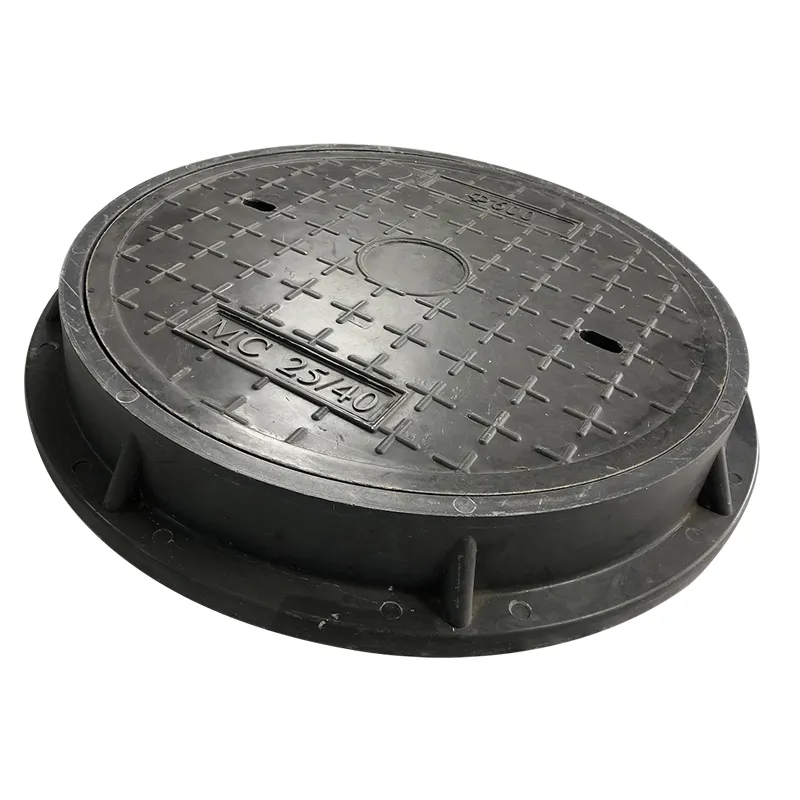
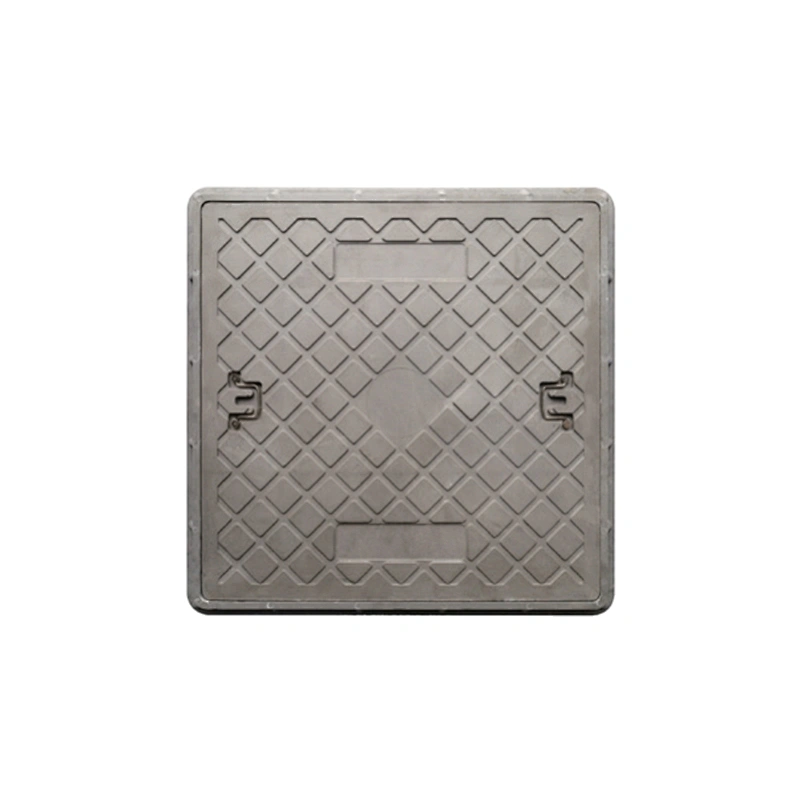
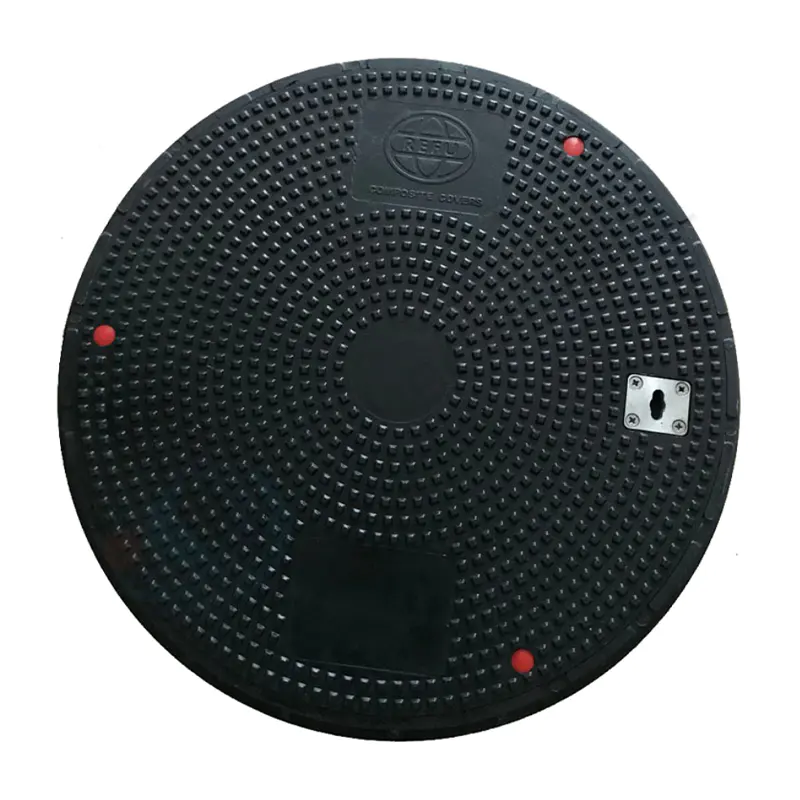
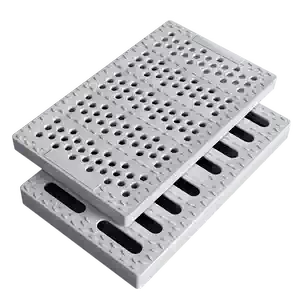
Selecting the right composite manhole cover manufacturer is one of the most critical procurement decisions for infrastructure projects, municipal works, and utility installations worldwide. Composite manhole covers manufactured from fiber-reinforced polymer (FRP) and sheet molding compound (SMC) have become the preferred alternative to traditional cast iron due to their light weight, corrosion resistance, anti-theft properties, and competitive pricing. However, the global supply chain is crowded with suppliers offering varying levels of quality, certification, and reliability. This guide provides a comprehensive framework for evaluating potential manufacturing partners, covering certification requirements, production capabilities, quality control systems, regional manufacturing hubs, pricing strategies, and the sample evaluation process. Whether you are a municipal procurement officer, a contractor, or a distributor looking to expand your product line, understanding these evaluation criteria will help you identify a supplier who can deliver consistent quality and value.
Why Choosing the Right Composite Manhole Cover Manufacturer Matters
The quality and performance of your composite manhole covers depend almost entirely on the supplier behind them. Unlike standardized commodities, composite covers are engineered products where raw material formulation, compression molding parameters, and post-processing quality checks directly affect load-bearing capacity, dimensional accuracy, and long-term durability. A poorly manufactured composite cover may crack under traffic load, warp due to thermal cycling, or fail prematurely, leading to expensive replacements and potential safety liabilities. Choosing an experienced and capable supplier ensures that every cover meets international standards such as EN 124 or AASHTO, delivers consistent dimensions across production batches, and provides reliable performance over a 10-20 year service life. Furthermore, a reputable manufacturer offers transparent communication, timely delivery, and after-sales technical support, which are especially critical for international buyers managing complex logistics and installation projects across multiple sites.
Certifications to Look For: EN124, AASHTO, and ISO
Certification is the most objective indicator of a composite manhole cover manufacturer's technical capability and commitment to quality. The three most important certification categories to evaluate are product-specific load standards (EN 124 / AASHTO), material and process management systems (ISO 9001), and industry-specific approvals.
EN 124 Load Rating Certification
EN 124 is the European standard governing manhole covers and gully tops for vehicular and pedestrian areas. It classifies covers by load rating from A15 (15 kN, pedestrian areas) through B125, C250, D400 (400 kN, highways), E600, and F900 (900 kN, airports). A qualified supplier should provide a valid EN 124 certificate issued by an accredited third-party testing body such as TÜV, SGS, or Bureau Veritas. The certificate confirms that the products have passed load testing, dimensional inspection, and durability testing. Many top FRP manhole cover manufacturers also offer EN 124 certified products for D400 and C250 ratings, the most commonly specified in roadway and pedestrian applications.
AASHTO and ISO Management System Certifications
For projects following North American standards, AASHTO compliance is essential. AASHTO M306 specifies requirements for manhole frames and covers used in highway construction, and reputable SMC manhole cover manufacturers serving the U.S. market typically design their production to meet these specifications. ISO 9001:2015 certification for the factory's quality management system provides additional confidence that the facility maintains consistent process controls, documentation, and continuous improvement practices. Some suppliers also hold ISO 14001 and OHSAS 18001 certifications, which are increasingly required by European and Australian infrastructure tenders.
Evaluating Production Capacity and Equipment
A supplier's production capacity directly impacts lead times, order fulfillment, and product consistency. The most critical equipment to evaluate includes SMC production lines, hydraulic compression presses, and mold inventory.
SMC Production Lines and Hydraulic Press Tonnage
Sheet molding compound (SMC) is the raw material used to manufacture high-quality composite manhole covers. A manufacturer with in-house SMC production capability has better control over material quality, formulation consistency, and cost. Top FRP manhole cover manufacturers operate dedicated SMC mixing lines with precise temperature and viscosity controls. The hydraulic press tonnage determines the maximum size and load rating of covers the factory can produce. Press capacities typically range from 500 tons to over 3,000 tons. A press of at least 1,500 tons is generally required for producing D400-rated covers in standard sizes such as 600x600 mm or 750x750 mm. Facilities equipped with multiple presses can run parallel production lines, reducing lead times significantly. The number of available molds is also important; a supplier with 200+ mold sets can offer a wider range of sizes, shapes, and branding options without extended tooling lead times.
Quality Control Systems in Composite Manufacturing
Beyond certifications, a factory's internal quality control (QC) system determines day-to-day product consistency. A reliable supplier operates a multi-stage QC process: incoming raw material inspection (resin viscosity, glass fiber content, filler particle size), in-process monitoring during SMC compounding and compression molding, and final product testing before packaging. Modern factories use computerized universal testing machines to verify load-bearing performance against EN 124 or AASHTO standards on a sampling basis. Dimensional checks using calibrated gauges ensure that cover outer diameter, thickness, and frame fit tolerances stay within ±1.0 mm. The QC department should maintain traceable records for each production batch, including material batch numbers, molding parameters, and test results.
How Manufacturers Conduct Load Testing and Quality Checks
Buyers should request a type test report from the supplier before placing bulk orders. This report confirms that the product design and material specification meet the claimed load rating. Reputable manufacturers provide test reports covering compressive strength, flexural strength, water absorption, freeze-thaw resistance, and chemical resistance. The availability of detailed test reports is a strong indicator that a factory has invested in quality systems rather than competing solely on price.
China's Major Composite Manhole Cover Manufacturing Clusters
China is home to the world's largest concentration of composite manhole cover production, with three dominant manufacturing clusters each offering distinct advantages. Understanding these clusters helps buyers find the right partner based on their specific quality, price, and logistics requirements.
Hebei Province Cluster
Hebei Province, particularly the Hengshui and Baoding areas, represents the largest production cluster for composite and FRP manhole covers in China. This region has decades of history in composite manufacturing, supported by a mature supply chain for raw materials, molds, and auxiliary equipment. Factories in Hebei typically offer competitive pricing due to economies of scale and intense local competition. Many of the top FRP manhole cover manufacturers in China are based here, making it a starting point for buyers seeking bulk orders at factory-direct prices. However, quality varies significantly between suppliers, so thorough factory audits and certification verification are essential when sourcing from this cluster.
Shandong Province Cluster
Shandong Province, especially the Linyi and Weifang areas, has emerged as a major hub for SMC manhole cover production. The region benefits from strong port infrastructure (Qingdao and Yantai ports), reducing export logistics costs. Factories in Shandong tend to focus on standardized products for export markets, with many holding ISO 9001 and EN 124 certifications. The labor and electricity costs in Shandong are slightly lower than in coastal provinces, often translating to competitive FOB pricing. Buyers looking for the best SMC manhole cover manufacturers for export often find strong candidates in this cluster.
Zhejiang Province Cluster
Zhejiang Province, centered around Ningbo and Taizhou, is known for higher-end composite manhole cover production. Manufacturers here typically invest more in automation, quality control equipment, and product development. They often serve European and North American clients who require strict compliance with EN 124 or AASHTO standards. While unit prices are generally higher than Hebei or Shandong alternatives, the consistency and traceability offered by Zhejiang factories can justify the premium for demanding projects. Several world-class composite cover producers operate manufacturing bases in this region.
MOQ, Lead Time, and Pricing Considerations
Understanding a supplier's commercial terms is essential for budgeting and project planning. The key parameters to evaluate include minimum order quantities, production lead times, and pricing structures.
Pricing Structures and Factory Direct Pricing
Composite manhole cover pricing depends on material composition (SMC vs. BMC), load rating, size, and surface finish. A typical D400-rated 600x600 mm composite cover from a Chinese factory may range from to FOB depending on these variables. Buyers seeking factory-direct pricing should request a detailed price list breaking down costs by size, load class, and quantity tier. Most suppliers offer tiered pricing with significant discounts at 500+, 1,000+, and 5,000+ unit quantities. The price list should also specify whether the price includes frame, rubber seal, stainless steel bolts, and packaging.
Negotiation Strategies for Bulk Orders
When negotiating with suppliers, buyers should consider the following leverage points: annual volume commitments (signing a 12-month framework agreement can unlock 5-15% discounts), consolidated shipping (combining multiple sizes in one container reduces per-unit logistics cost), extended payment terms (LC at sight or 30% deposit / 70% against BL copy vs. full prepayment), and exclusive regional distribution rights (which some factories incentivize with preferential pricing). The MOQ typically ranges from 50 to 300 pieces per size for initial orders, but can be negotiated down for sample orders or trial shipments.
Production lead times vary by factory load: an SMC manhole cover manufacturer with idle capacity can produce and ship within 15-20 days, while a facility running at full capacity may require 35-45 days. Always confirm current lead time estimates before committing to project deadlines.
Customization: Sizes, Colors, and Designs
One of the key advantages of working with a composite manhole cover supplier is the ability to customize products to meet specific project requirements. Most manufacturers offer flexibility across three main dimensions.
Custom Sizes: While standard sizes like 600x600 mm, 750x750 mm, and 600x800 mm cover most applications, many infrastructure projects require non-standard dimensions. Experienced FRP manhole cover manufacturers can produce custom sizes by modifying existing mold inserts or creating new molds. Custom mold fabrication typically adds 15-30 days to lead time and may incur a one-time tooling charge of - depending on complexity. Multiple buyers have confirmed that composite manhole cover suppliers can produce custom sizes, though minimum quantities for custom molds are usually higher, typically 200-500 pieces.
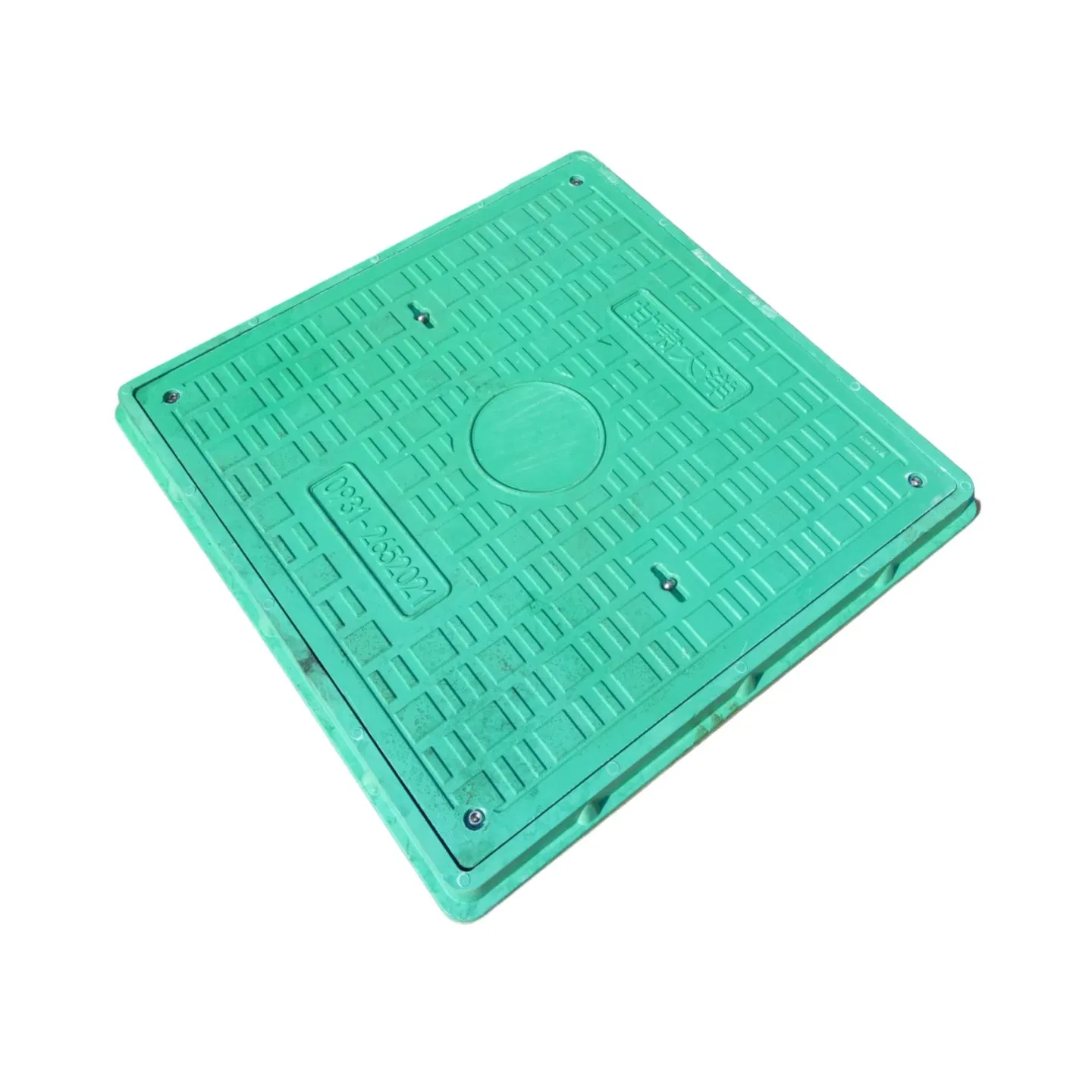
Custom Colors: The standard color for composite covers is gray or black (from the natural SMC pigmentation), but many factories can produce custom colors using pigment additives. Common custom colors include green (for landscaped areas), blue (for telecom covers), red (for electrical vaults), and yellow (for gas utility covers). Buyers often ask whether suppliers can produce custom colors; yes, most can, though color-matched orders typically require a minimum quantity of 100-300 pieces per color to justify production line cleaning and setup.
Custom Designs: SMC manhole cover manufacturers can accommodate custom surface patterns, logo embossing, anti-slip texture requirements, and branding. Custom logo integration is typically done through mold engraving, which is a one-time cost. Some buyers also request custom reinforcement patterns for higher load ratings, which requires engineering verification and load testing. Design modifications that affect load performance require prototype testing and certification re-validation.
The Sample Process and Factory Audit
The sample process is a crucial step in evaluating a composite manhole cover supplier before committing to bulk production. A well-managed sample process protects both buyer and supplier interests.
Step 1 — Request for Quotation (RFQ): Provide the supplier with your target specifications: size, load rating (EN 124 class), quantity, color, and any custom requirements. Ask for a sample quotation that includes product cost, mold fee (if applicable), sample shipping cost (DHL/FedEx/UPS), and sample lead time.
Step 2 — Sample Production: If standard sizes meet your requirements, the factory can ship existing stock samples within 3-5 days. For custom sizes or designs, sample production typically takes 10-20 days including mold preparation. Most manufacturers charge a sample fee that is refundable or deductible from the first bulk order. Negotiate this term upfront.
Step 3 — Sample Evaluation: Upon receiving samples, perform the following checks: dimensional accuracy (measure OD, thickness, frame fit), weight verification (composite covers should be 60-75% lighter than cast iron equivalents), surface quality (check for cracks, bubbles, or incomplete filling), load rating (if you have access to a compression tester), and documentation review (verify test reports and certificates match the product). When learning how to choose an FRP manhole cover manufacturer, hands-on sample inspection is the most reliable assessment method.
Step 4 — Factory Audit: For large or strategic orders, schedule a physical factory audit or a remote video audit. During the audit, verify the SMC production line, hydraulic press capacities, QC lab equipment, mold inventory, and raw material storage conditions. Many buyers ask where to find reliable FRP manhole cover manufacturers; the answer is: those who welcome audits and provide transparent access to their facilities.
Finding Reliable Composite Manhole Cover Manufacturers for Export
For international buyers, finding reliable suppliers requires a systematic approach that goes beyond Alibaba searches. Here are proven strategies for identifying and qualifying export-ready factories.
Online B2B Platforms: Alibaba, Made-in-China, and Global Sources list thousands of Chinese manufacturers. Filter by verified supplier status, years in business (5+ years preferred), and third-party inspection reports. Look specifically for suppliers with gold supplier status, trade assurance, and on-site inspection reports from SGS or Bureau Veritas.
Industry Trade Shows: Canton Fair (Guangzhou, China), Bauma (Germany), and Infrastructure Week (USA) feature top composite manhole cover manufacturers exhibiting their products. Meeting suppliers in person at trade shows provides immediate insight into their professionalism, product quality, and export experience. The world's leading manufacturers regularly attend these events to connect with international clients.
Export Documentation: Assess whether the factory can provide complete export documentation: commercial invoice, packing list, bill of lading, certificate of origin, EN 124 test certificates, ISO certificates, fumigation certificate (for wooden pallets), and material safety data sheets (MSDS) for SMC material. Manufacturers experienced in export will have standard documentation packages ready. The best SMC manhole cover manufacturers for export maintain comprehensive documentation to avoid customs delays.
Reference Checks: Request client references or case studies from the supplier. Reach out to existing customers in your region to verify product quality, delivery reliability, and after-sales support. This step is particularly important when determining which supplier is best for your specific project requirements, as the answer depends heavily on the product range, service level, and market focus of each factory.
Conclusion
Selecting the right composite manhole cover manufacturer is a strategic decision that impacts your project quality, budget, and timeline. By systematically evaluating certifications (EN 124, AASHTO, ISO), production capabilities (SMC lines, press tonnage, mold inventory), quality control systems, and commercial terms (MOQ, pricing, lead time), you can confidently identify suppliers that meet your specific requirements. China's three major production clusters of Hebei, Shandong, and Zhejiang each offer distinct value propositions, from Hebei's cost advantages and scale to Zhejiang's higher quality and certification rigor.
Start your supplier evaluation process with a clear requirements checklist, request samples from 3-5 shortlisted manufacturers, and conduct thorough technical evaluations before scaling up orders. The extra time invested in vetting potential partners upfront will pay dividends in product consistency, on-time delivery, and long-term partnership reliability. Whether you are sourcing for municipal infrastructure, commercial construction, or utility projects, the principles outlined in this guide will help you partner with a factory that delivers quality covers meeting international standards at fair prices.
Ready to evaluate a supplier? Contact our team for a personalized supplier matching consultation, or browse our certified product range to see how our manufacturing capabilities align with your project requirements.