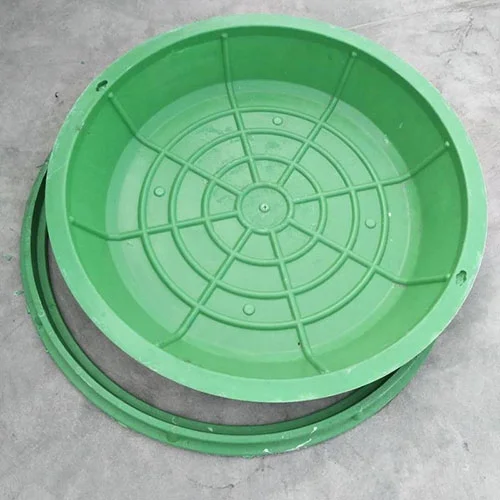
Introduction: What Is an FRP Manhole Cover for Road Construction?
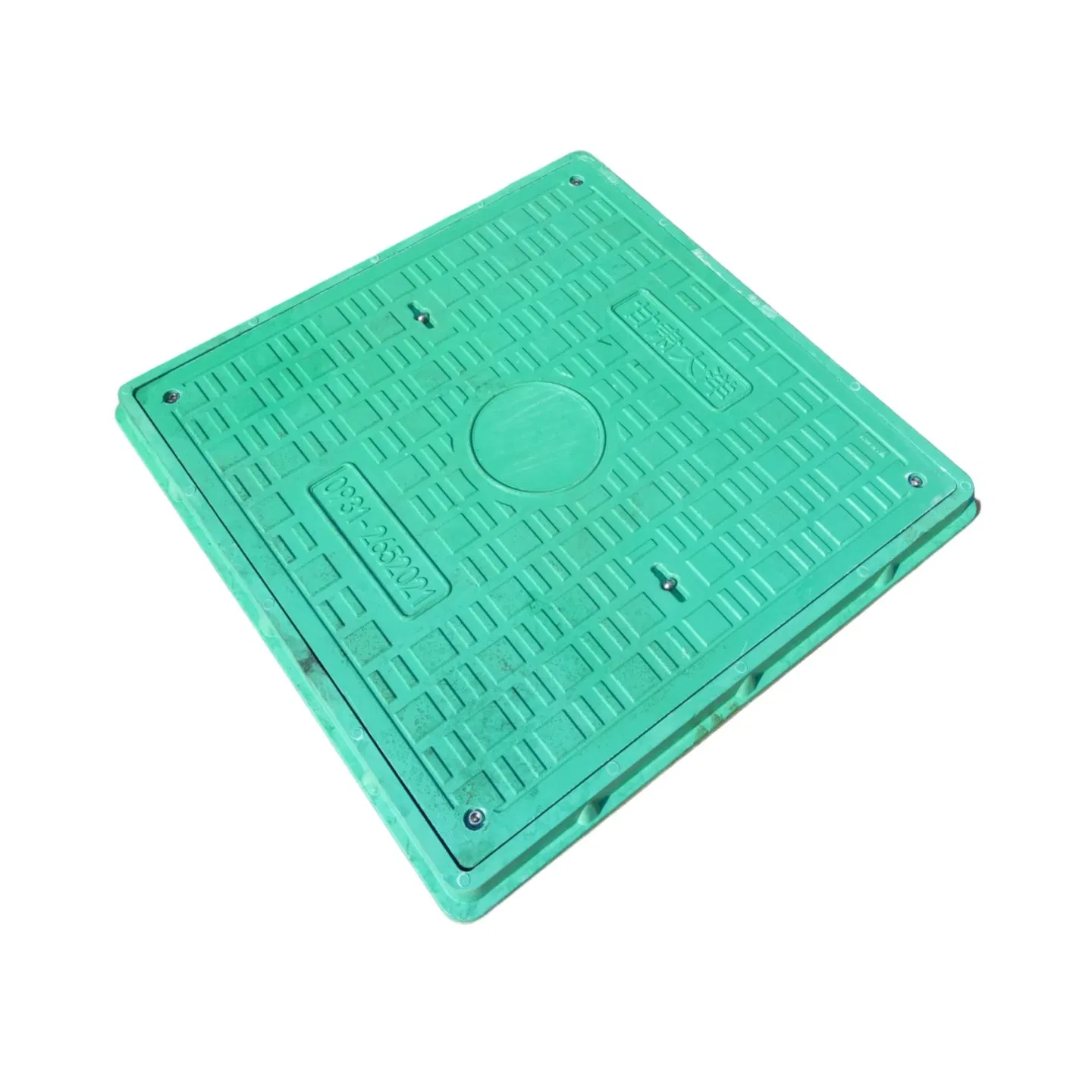
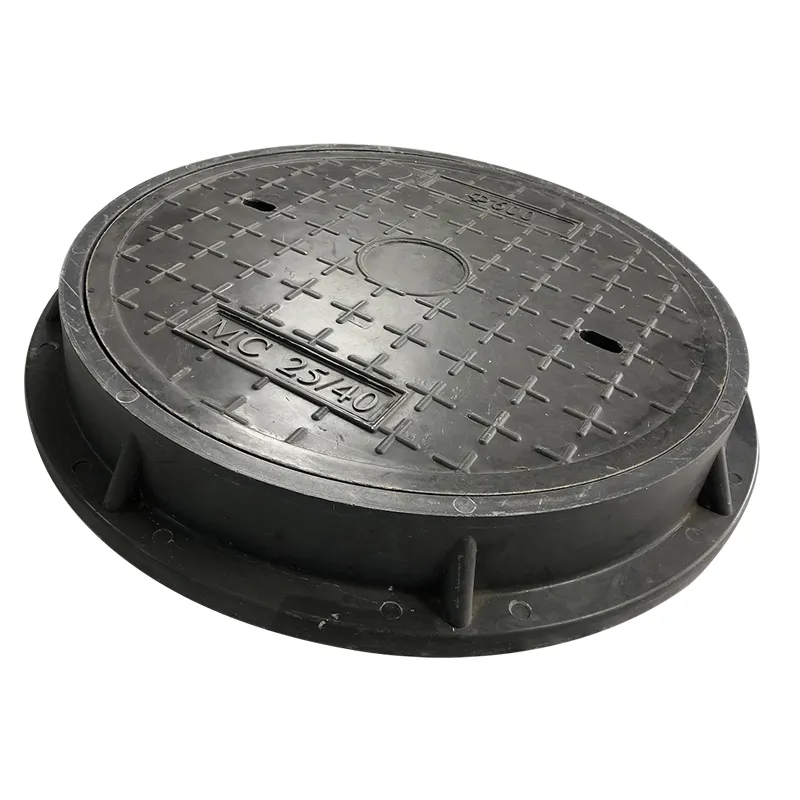
An FRP manhole cover for road construction is a composite access cover manufactured from fiber-reinforced polymer (FRP) materials, designed specifically for installation on roadways, highways, and other paved surfaces subject to vehicular traffic. Unlike traditional cast iron covers, FRP manhole covers offer a unique combination of lightweight construction, high load-bearing capacity, and exceptional resistance to corrosion and theft.
As road construction projects increasingly demand materials that reduce installation time, improve worker safety, and deliver long-term value, FRP manhole covers have emerged as a preferred alternative across infrastructure projects worldwide. These covers are manufactured to meet international standards such as EN 124, which defines load rating classifications from pedestrian areas through to airport runways.
This complete guide covers everything procurement managers, civil engineers, and road contractors need to know about selecting, installing, and maintaining FRP manhole covers for road construction applications — from D400 load ratings to installation best practices and cost-benefit comparisons with cast iron alternatives.
Understanding EN 124 Load Ratings for FRP Manhole Covers
Every FRP manhole cover used in road construction must comply with the European standard EN 124, which classifies access covers and manhole covers according to their load-bearing capacity. This classification system defines six load ratings — A15, B125, C250, D400, E600, and F900 — each corresponding to a specific maximum test load in kilonewtons (kN).
What Do A15, B125, C250, D400, E600, and F900 Mean?
The EN 124 load rating classification works as follows:
| Class | Test Load (kN) | Typical Application |
|---|---|---|
| A15 | 15 kN | Pedestrian areas, cycle paths, gardens |
| B125 | 125 kN | Footways, pedestrian precincts, car parks |
| C250 | 250 kN | Roadside gutters, slow-traffic areas |
| D400 | 400 kN | Roadways, highways, hard shoulders (standard for road construction) |
| E600 | 600 kN | Industrial zones, docks, heavy-load areas |
| F900 | 900 kN | Airport runways, military zones |
For road construction applications, D400 is the minimum and most commonly specified class. This rating requires the cover to withstand a test load of 400 kN (approximately 40 metric tons) without failure, making it suitable for all standard road traffic including heavy trucks and buses.
How Load Rating Testing Works for FRP Covers
Testing an FRP manhole cover to verify its load rating follows the EN 124-2 standard procedures. The cover is mounted on a test frame with a rigid steel support, and a gradually increasing force is applied through a 250 mm × 250 mm steel pad positioned at the center of the cover. The load is increased at a controlled rate until the classification test load is reached, held for 30 seconds, and then released. To pass, the cover must show no cracks, permanent deformation exceeding 5 mm, or any structural failure.
FRP manhole cover load rating testing also includes a durability assessment — samples undergo 100 load cycles at 50% of the test load to simulate long-term traffic fatigue. This ensures the composite material maintains its structural integrity over decades of service in road environments.
When comparing FRP vs concrete manhole cover load rating performance, FRP composites typically achieve equivalent or superior load ratings at a fraction of the weight. A D400-rated FRP cover weighs approximately 30–40 kg, versus 80–120 kg for a concrete alternative and 60–90 kg for cast iron.
The D400 Standard: The Benchmark for Road Construction FRP Covers
The D400 standard is the most widely specified load classification for FRP manhole covers in road construction. Understanding what D400 means and how it applies to FRP composite covers is essential for specifiers and contractors working on road infrastructure projects.
What Does D400 Rating Mean for FRP Manhole Covers?
An FRP manhole cover D400 standard rating means the cover has been tested and certified to withstand a load of 400 kN (approximately 40 metric tons) without structural failure. The "D" classification under EN 124 indicates the cover is designed for installation in areas carrying fast-moving traffic, including highways, main roads, and hard shoulders. For FRP manhole covers, the D400 standard represents the minimum requirement for road construction applications.
The FRP manhole cover D400 standard applies to both square and round covers, with round covers measuring typically 600 mm, 800 mm, or 1000 mm in clear opening diameter. Square covers are commonly available in 600×600 mm, 750×750 mm, and 900×900 mm sizes. The load requirements for D400 FRP manhole covers are identical regardless of shape — 400 kN minimum test load with no cracking or permanent deformation exceeding permitted limits.
D400 Testing Procedure and EN 124 Compliance
Testing an FRP manhole cover to the D400 standard follows a strict protocol defined in EN 124-2. The procedure includes:
- Pre-conditioning the cover at ambient temperature for 24 hours
- Mounting on a rigid test frame with a 5 mm rubber gasket
- Applying a 400 kN test load through a 250 mm × 250 mm steel pad over 60 seconds
- Holding the load for 30 seconds and recording any deflection
- Inspecting for cracks, material separation, or permanent deformation exceeding 5 mm
- A fatigue test: 100 cycles at 200 kN (50% of D400 rating)
- A final proof load test to 400 kN
Does FRP D400 manhole cover meet EN 124 standard? Yes — when manufactured to specification using SMC (sheet molding compound) composite material with proper fiber orientation and resin formulation, FRP manhole covers pass all EN 124 D400 certification requirements. Reputable manufacturers provide third-party test certificates confirming compliance.
D400 rated FRP manhole covers are used in a wide range of road environments: urban roadways, national highways, pedestrian crossings, roundabouts, bridge decks, and tunnel access points. Their lightweight nature makes them particularly valuable for bridge installations where dead load reduction is critical.
Key Benefits of Using FRP Manhole Covers in Road Construction
Road construction projects benefit from several distinct advantages when specifying FRP manhole covers over traditional materials. These benefits directly impact project cost, safety, and long-term maintenance requirements.
Lightweight Design for Faster Installation
The most immediately noticeable advantage of an FRP manhole cover for road construction is its weight. A D400-rated FRP cover weighs approximately 30–40 kg, compared to 80–130 kg for cast iron equivalents. This weight reduction has several practical implications:
- Installation can be performed by one or two workers without mechanical lifting equipment
- Reduced risk of manual handling injuries on site
- Faster installation cycle — typical FRP cover installation takes 15–20 minutes versus 30–45 minutes for cast iron
- Lower transportation costs per unit
- Suitable for bridge and elevated structure installations where weight loading is critical
Anti-Theft and Corrosion Resistance Advantages
Cast iron manhole covers have long been a target for metal theft, with scrap metal prices driving an ongoing problem in many regions. FRP composite covers have zero scrap metal value, eliminating the financial incentive for theft. Additionally, FRP composite materials are inherently corrosion-resistant — they will not rust, rot, or degrade when exposed to road salts, de-icing chemicals, fuel spills, or acidic drainage water.
This corrosion resistance is particularly valuable in road construction environments where covers are exposed to:
- Road salt and de-icing chemicals during winter months
- Vehicle fuel and oil spillage
- Industrial runoff and chemical drainage
- Coastal salt spray in seaside road applications
- Freeze-thaw cycling in cold climates
The combination of theft deterrence and corrosion resistance means FRP manhole covers installed in road construction typically require no maintenance painting, protective coating, or periodic replacement due to corrosion damage. This translates to significant lifecycle cost savings over the 30–50 year design life of a road infrastructure project.
Installation Guide for FRP Manhole Covers on Roads
Proper installation is critical to ensure that an FRP manhole cover for road use performs to its rated load capacity and delivers its intended service life. The following installation procedure follows EN 124-4 installation guidelines for composite access covers.
Step-by-Step FRP Manhole Cover Installation on Roads
1. Frame Preparation: The FRP frame (supplied with the cover) must be cast into a concrete surround. Excavate the area around the manhole shaft to a minimum depth of 250 mm beyond the frame edge. The concrete surround should be at least 150 mm thick on all sides of the frame.
2. Bedding Layer: Place a 50 mm bedding layer of concrete (minimum C25/30 strength class) at the base of the excavation. Position the frame on the wet bedding and align it to the finished road surface level using a spirit level. The frame should sit 2–5 mm below the final asphalt surface to allow for paving overlay.
3. Concrete Encasement: Pour concrete around the frame in layers, compacting each layer to eliminate voids. The concrete encasement must extend from the bedding layer up to within 50 mm of the finished road surface. Allow a minimum 48-hour cure time before loading.
4. Asphalt Surfacing: Complete the road surface asphalt layer, bringing the surface flush with or slightly above the frame edge. The cover itself should not be installed until the asphalt work is complete to prevent surface contamination.
5. Cover Installation: After the asphalt has cooled and the concrete has fully cured, clean the frame seating area thoroughly. Apply a thin bead of sealant to the frame ledge. Lower the FRP cover into position — its lightweight design means one worker can handle it easily. Ensure the cover sits flush with the finished road surface, with no rocking or movement.
6. Final Inspection: Verify that the installed cover meets the specified FRP manhole cover load rating by checking the manufacturer certification. Test the cover for stability under foot and light vehicle traffic. Check that lifting keys or recessed lifting points are accessible. Verify that the cover sits level with the surrounding road surface to prevent tripping hazards or tire impact damage.
For high-traffic roadways, consider using rapid-set concrete for the frame encasement to minimize road closure time. Some contractors pre-cast the frame into concrete collars off-site, then lift the complete assembly into position — this technique reduces on-site installation time to under 30 minutes.
FRP vs Cast Iron Manhole Covers for Road Use
When evaluating FRP vs cast iron manhole covers for road construction, several factors must be considered beyond initial material cost. The choice between these two materials has long-term implications for installation, maintenance, safety, and total cost of ownership.
| Comparison Factor | FRP Manhole Cover | Cast Iron Manhole Cover |
|---|---|---|
| Weight (D400, 600 mm round) | 30–40 kg | 80–90 kg |
| Theft risk | Negligible (no scrap value) | High (scrap metal value) |
| Corrosion resistance | Excellent — no rust, chemical resistant | Prone to rust and corrosion over time |
| Installation labor | 1–2 workers, no lifting equipment | 2–3 workers + mechanical lifting |
| Installation time | 15–20 minutes | 30–45 minutes |
| Maintenance | None required | Periodic anti-rust coating, repair |
| Lifespan in road use | 30–50 years | 20–30 years (corrosion dependent) |
| Noise (traffic impact) | Low — composite dampens vibration | Higher — metal-on-metal contact noise |
| Initial unit cost | Moderate | Lower (but rising with scrap prices) |
The comparison shows that while cast iron covers typically have a lower purchase price, the total installed cost often favors FRP when labor, equipment, and ancillary materials are factored in. For road construction projects where traffic management and lane closure costs are significant — often ranging from $500 to $5,000 per hour on busy roads — the faster installation time of FRP covers can offset the material price difference many times over.
In the FRP vs cast iron manhole covers for road use debate, safety is another important consideration. FRP covers are slip-resistant (the composite surface provides better grip than smooth cast iron), electrically non-conductive (eliminating risks near electrical infrastructure), and do not produce sparks when struck by metal tools or vehicle parts — a useful property in tunnel and fuel storage area installations.
Cast iron covers do have an advantage in impact resistance — a direct heavy impact from a construction vehicle might crack an FRP cover where cast iron would dent. However, for properly installed covers meeting the correct load rating, both materials perform reliably under standard traffic conditions.
Cost-Benefit Analysis: FRP Manhole Covers in Road Projects
Understanding the full cost-benefit equation for FRP manhole covers in road construction requires examining both upfront costs and long-term operational savings.
Initial Cost Considerations
strong>/A D400-rated FRP manhole cover/strong> typically costs 20–40% more than a comparable cast iron cover at the point of purchase. For a standard D400-rated 600 mm round cover, FRP pricing ranges from approximately $80–$150 per unit, while cast iron equivalents range from $60–$110. However, this price difference narrows significantly — and in many cases reverses — when total installed cost is calculated.
Installation Cost Savings
The primary cost advantage of FRP covers in road construction comes from installation efficiency:
- Labor: Cast iron installation requires 2–3 workers and mechanical lifting equipment. FRP installation requires 1–2 workers with no machinery. Labor cost saving: 40–60% per installation.
- Traffic management: Every hour of lane closure for road work costs $500–$5,000 depending on road class. FRP installation takes roughly half the time of cast iron. At 30 minutes saved per cover on a busy highway, the savings can exceed $250–$2,500 per cover.
- Equipment: No crane, hoist, or fork lift needed for FRP covers (weighing 30–40 kg vs 80–130 kg).
Long-Term Cost Benefits
How long do FRP manhole covers last in road construction? With proper installation, FRP manhole covers have a service life of 30–50 years in road environments. They require zero maintenance — no painting, no rust treatment, no coating repairs. Cast iron covers typically need repainting every 5–8 years to prevent corrosion, and may require replacement after 20–30 years in aggressive road environments.
How much does an FRP manhole cover for road construction cost over its lifetime? Considering a 30-year analysis period:
- FRP: Initial purchase + installation = $X. Maintenance: $0. Replacement: $0. Total: $X.
- Cast iron: Initial purchase + installation = 0.9X. Maintenance (6 repainting cycles): +0.3X. Replacement at year 25: +0.6X. Total: ~1.8X.
This lifecycle cost analysis demonstrates that FRP manhole covers deliver a 40–50% lower total cost of ownership over a 30-year road design life, despite their higher initial purchase price. For procurement managers evaluating FRP manhole covers for road construction, the total cost analysis should include labor, traffic management, maintenance, and replacement costs — not just unit price.
How to Choose the Right Load Rating for Your Road Project
Selecting the appropriate load rating for FRP manhole covers in a road construction project depends on several factors including traffic type, road classification, installation location, and local regulatory requirements.
Decision Framework by Road Type
- Pedestrian areas and cycle paths: C250 (250 kN) — sufficient for occasional light vehicle access and maintenance vehicles
- Residential roads and parking areas: C250–D400 — choose D400 if heavy delivery trucks or emergency vehicles access the road
- Urban roadways and collector roads: D400 (400 kN) — standard minimum for any road carrying motor vehicle traffic
- Highways and national roads: D400 — the specified class for fast-moving traffic and heavy goods vehicles
- Industrial zones and loading areas: E600 (600 kN) — required where fork lift trucks and heavy plant machinery operate
- Airport pavements and military roads: F900 (900 kN) — for extreme load conditions
How to Choose a D400 Rated FRP Manhole Cover
When selecting a D400-rated FRP manhole cover for road construction, consider these criteria:
- EN 124 certification: Verify the manufacturer provides third-party test certificates confirming D400 compliance. Does FRP D400 manhole cover meet EN 124 standard? Only if it has passed the full certification protocol.
- Material quality: SMC (sheet molding compound) with minimum 25% glass fiber content by weight is the industry standard for road-grade FRP covers. Lower fiber content compromises load capacity.
- Frame compatibility: Ensure the frame is designed for road construction — it should have anchor lugs or extensions for concrete encasement, preventing rotation under traffic.
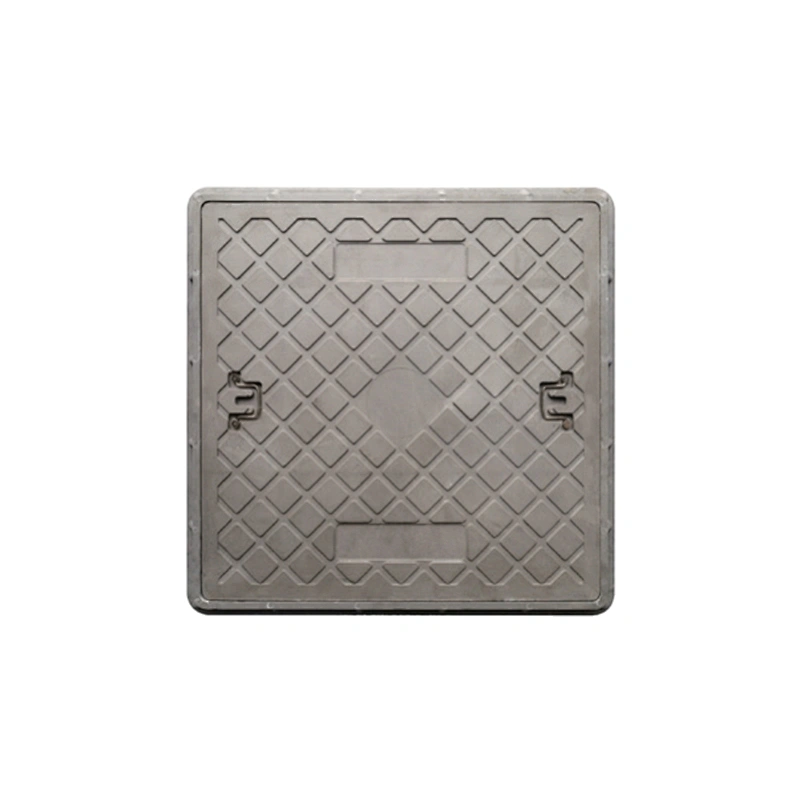
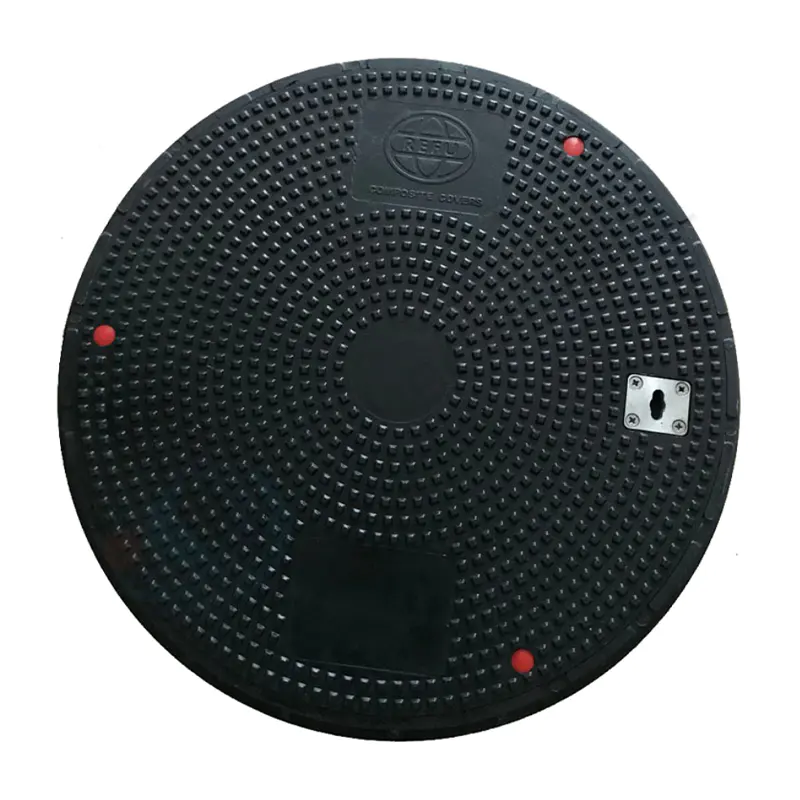
- Surface finish: Look for slip-resistant surface patterns (diamond, chevron, or studded patterns) for road safety, especially on pedestrian crossings and cycle lanes.
- Access mechanism: Choose between recessed lifting keys, bolt-down locking systems, or hinged designs depending on security requirements and maintenance access frequency.
For driveway applications specifically, which load rating is suitable for driveway FRP manhole covers? Driveways that carry only passenger vehicles can use C250 rating, but most contractors specify D400 for driveways as well — the cost difference is minimal, and D400 provides certainty if a heavy delivery truck or fire engine needs access.
Conclusion
The FRP manhole cover for road construction represents a significant advancement in infrastructure material technology, offering road contractors, civil engineers, and infrastructure operators a combination of properties that traditional materials cannot match: lightweight handling for safer installation, D400 and higher load ratings certified to EN 124 standards, inherent corrosion resistance that eliminates maintenance, and a zero-theft-value design that protects critical access points.
For road construction projects, the evidence is clear: FRP manhole covers deliver lower total cost of ownership, faster installation cycles, and superior long-term durability compared to cast iron alternatives. When specifying covers for your next road project, prioritize D400 as the minimum load rating for any traffic-carrying surface, verify EN 124 certification from your supplier, and ensure proper installation following the concrete encasement procedures outlined in this guide.
To discuss your specific road construction requirements or request certified load test documentation, contact our engineering team or browse our full range of EN 124 compliant FRP manhole covers.