Introduction
Access covers are essential components in infrastructure, providing safe entry to underground utilities, drainage systems, and service points. Over time, these covers wear out, corrode, or become damaged, creating safety hazards and operational inefficiencies. A lightweight access cover replacement offers a modern solution that addresses these issues while delivering superior performance compared to traditional materials. Whether you are upgrading a residential driveway, a commercial walkway, or an industrial facility, understanding the replacement process, cost factors, sizing requirements, and load ratings is crucial for making an informed investment. This comprehensive guide covers everything you need to know about lightweight access cover replacement — from identifying when replacement is needed to step-by-step installation and sourcing the right parts.
What Is a Lightweight Access Cover Replacement?
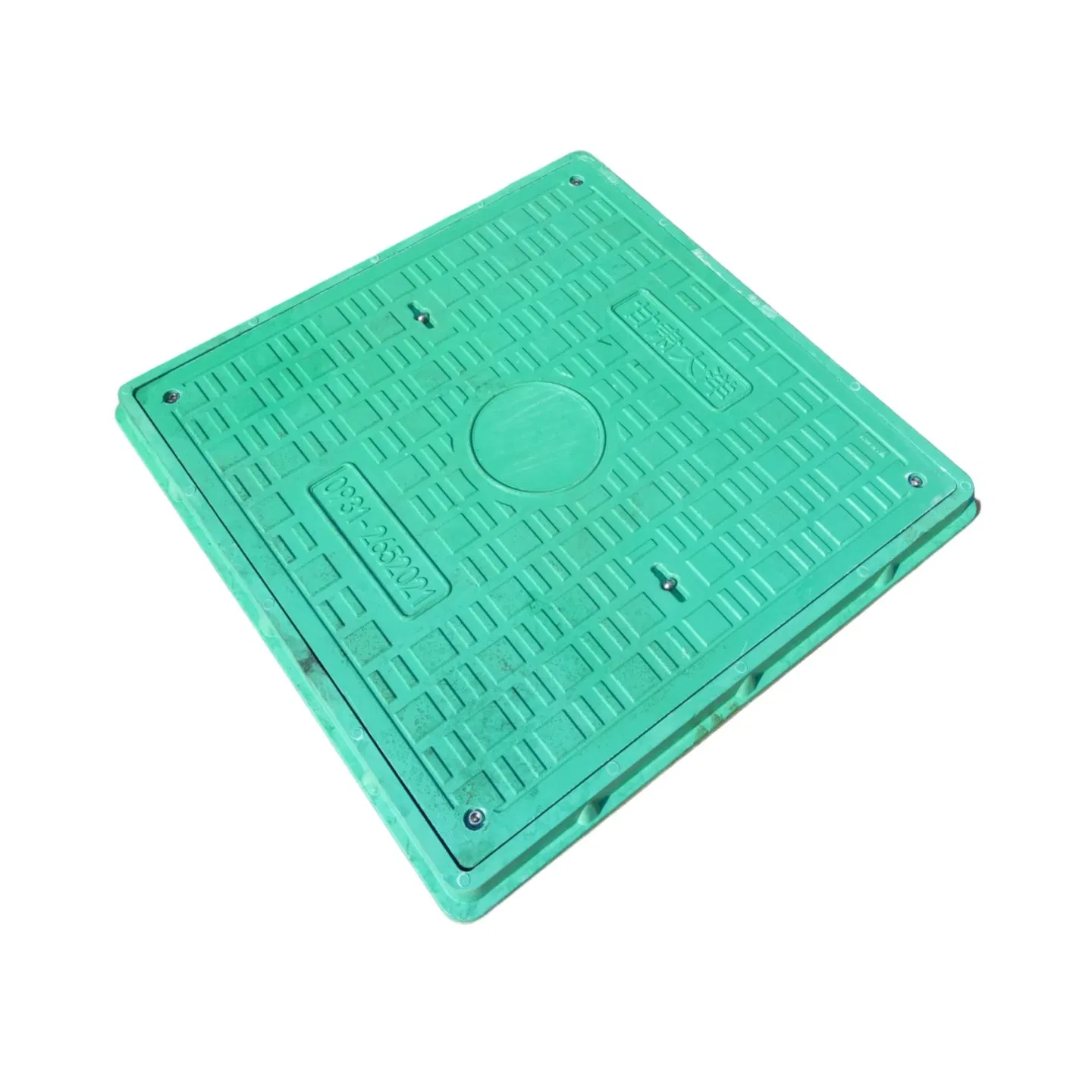
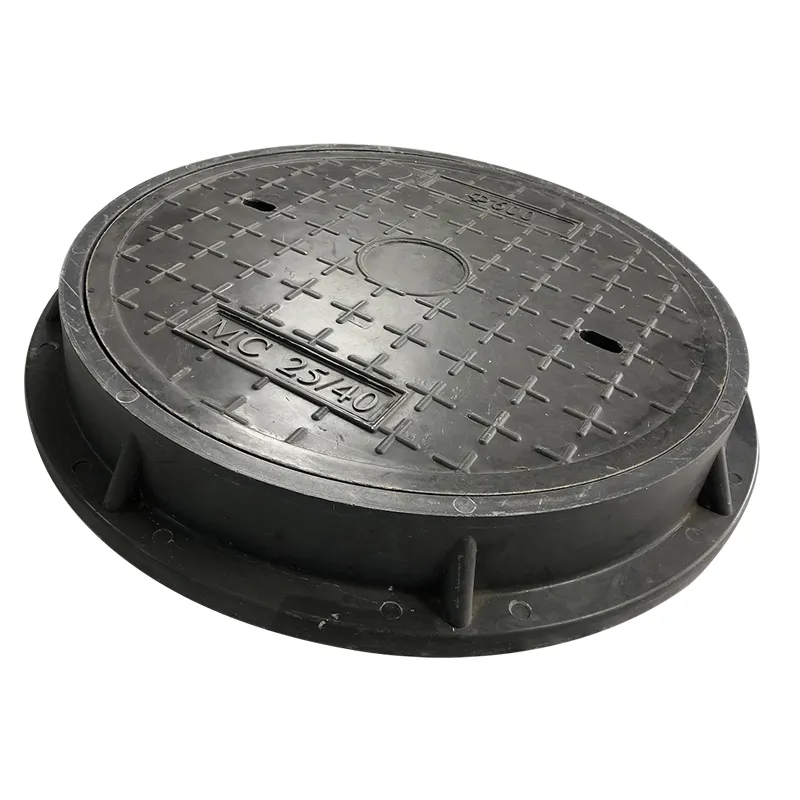
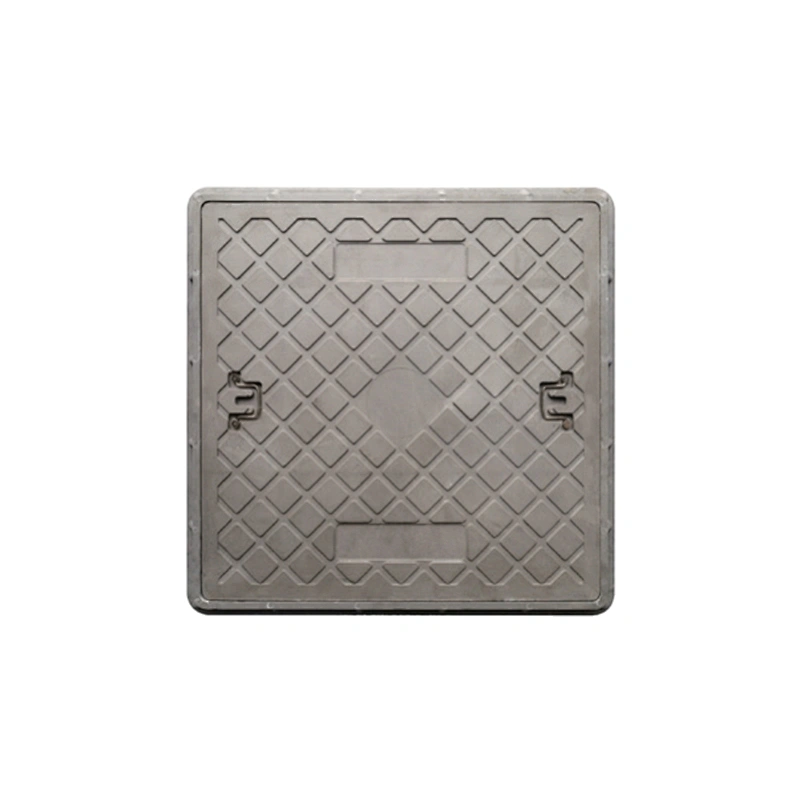
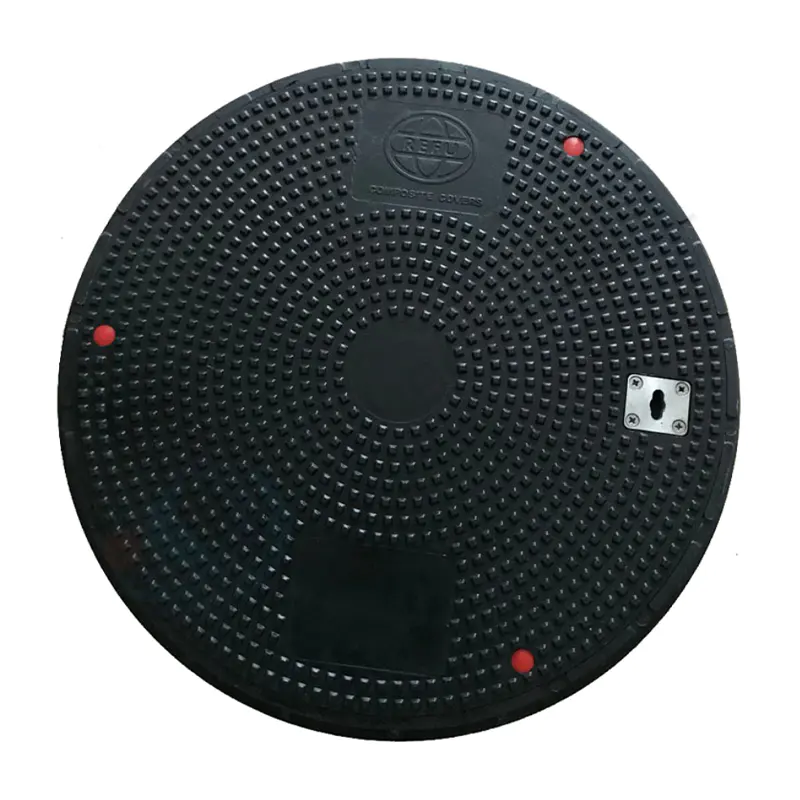
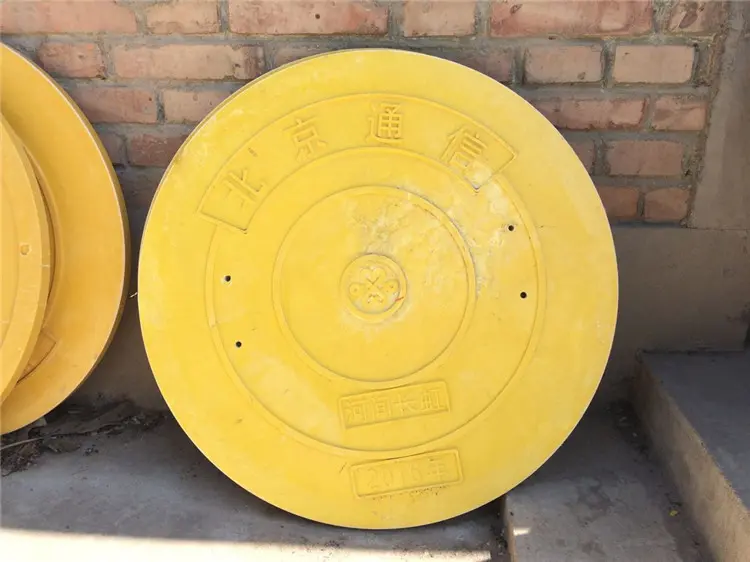
A lightweight access cover replacement refers to the process of removing an existing access cover — typically made of cast iron, steel, or concrete — and installing a new cover manufactured from lightweight composite materials such as Sheet Molding Compound (SMC), fiberglass-reinforced plastic (FRP), or other polymer composites. These modern covers are designed to fit standard frame sizes and provide the same structural integrity as heavier alternatives while weighing significantly less. Lightweight access covers are commonly used in driveways, parking lots, pedestrian walkways, utility vaults, and drainage systems. They offer excellent corrosion resistance, non-conductive properties, and ease of handling, making them an increasingly popular choice for replacement projects across residential, commercial, and municipal applications.
Signs You Need a Replacement
Knowing when to replace an access cover is the first step in maintaining a safe and functional site. Key signs that indicate you need a lightweight access cover replacement include visible cracks or fractures in the existing cover, rust and corrosion (especially with cast iron covers), warping or deformation that prevents a proper fit in the frame, broken locking mechanisms or hinges, and excessive noise or movement when vehicles pass over the cover. You should also consider replacement if your current cover no longer meets the required load rating for its location, if it has been damaged by freeze-thaw cycles, or if it presents a trip hazard due to settling or shifting. Regular inspection every 6 to 12 months can help identify these issues early and prevent accidents or further damage to the surrounding area.
Benefits of Lightweight Composite Materials
Lightweight composite materials offer a range of advantages over traditional cast iron and concrete covers. The most notable benefit is weight reduction — a typical composite access cover weighs 60-80% less than its cast iron equivalent, making it much easier to handle during transport and installation. This weight reduction also reduces shipping costs and eliminates the need for heavy lifting equipment. Composite covers are completely corrosion-resistant, meaning they will not rust when exposed to moisture, road salt, or chemicals. They are non-conductive, making them safe for use in areas with electrical infrastructure. Additionally, composite materials offer excellent dimensional stability, UV resistance, and can be manufactured with anti-slip surfaces for enhanced safety. The environmental impact is lower as well, since composite manufacturing consumes less energy than iron casting and the lighter weight reduces fuel consumption during transportation.
Lightweight Access Cover Replacement Cost
The lightweight access cover replacement cost varies depending on several factors including size, load rating, material quality, and whether you need a full frame-and-cover assembly or just the cover panel. On average, a standard 600×600 mm lightweight composite access cover replacement costs between $80 and $250 for the cover alone, while complete assemblies with frames range from $150 to $450. Residential driveway applications typically fall at the lower end of this range, while EN124-rated commercial and industrial covers command higher prices due to stricter manufacturing standards and material requirements. When budgeting for your project, remember to factor in delivery costs, any site preparation work, and professional installation if you choose not to install it yourself. Compared to the cost of repairing a badly damaged cast iron cover — which often exceeds $200 — replacement is frequently the more economical choice, particularly when the existing frame is also compromised.
Factors That Affect Replacement Cost
Several key factors influence the overall lightweight access cover replacement cost for your project. Size is the primary determinant — larger covers require more material and are priced accordingly. Load rating is equally important: an A15-rated cover (pedestrian use only) is significantly less expensive than a D400-rated cover designed for heavy traffic. Material composition also affects pricing, with glass-reinforced polyester typically costing more than standard SMC composites but offering enhanced durability. Frame condition matters too — if your existing frame is in good shape, you can replace just the cover, saving 30-50% compared to a full assembly replacement. Geographic location impacts cost through shipping distances, and any specialized requirements such as custom colors, branding, or locking mechanisms will add to the final price. Quantity discounts are often available for multi-unit replacements, reducing per-unit costs by 10-20% for orders of 10 or more covers.
Cost Comparison: Lightweight vs Cast Iron
When comparing the costs of lightweight composite covers versus cast iron replacements, the savings extend well beyond the initial purchase price. A standard 600×600 mm cast iron cover typically costs $120-$300, while a comparable lightweight composite cover ranges from $80-$250 — a 20-30% savings on materials alone. However, the real cost difference emerges in installation and logistics. Cast iron covers weigh 50-80 kg, requiring two or more workers and often mechanical lifting equipment for installation. Lightweight composite covers of the same size weigh just 10-25 kg, allowing single-person handling and reducing labor costs by up to 50%. Shipping costs are also lower due to reduced weight. Over the product lifecycle, composite covers offer additional savings through corrosion resistance — they never need painting, rust treatment, or premature replacement due to corrosion damage. For driveway applications in particular, the combination of lower material cost, reduced installation expense, and maintenance-free service life makes lightweight composite covers the more economical choice.
Choosing the Right Size for Your Driveway
Selecting the correct size is critical for a successful lightweight access cover replacement, especially for driveway applications where vehicle loads and clearance are primary concerns. When planning a lightweight access cover replacement for driveway use, the right size ensures proper fit, structural support, and safety compliance. Driveway access covers must be large enough to provide adequate access to underground utilities while being properly supported by the surrounding concrete or asphalt. A cover that is too small may not provide sufficient access, while one that is too large may not seat properly in the existing frame. For driveway installations, the cover must also meet minimum load rating requirements — typically B125 or higher for residential driveways and C250 for commercial driveways. Understanding your specific size requirements before purchasing will save time, reduce costs, and prevent installation complications. Are lightweight access covers strong enough for driveway use? Absolutely — when spec'd with the correct EN124 rating (B125 minimum), composite covers can easily handle passenger vehicles, SUVs, and light trucks while weighing a fraction of comparable cast iron covers.
How to Measure Your Access Cover Opening
Accurate measurement is essential when selecting a lightweight access cover replacement for driveway or any other application. Start by measuring the clear opening of the frame — this is the inside dimension where the cover will sit. Measure both length and width at the narrowest points, taking readings in multiple locations since frames can become distorted over time. For round covers, measure the internal diameter at several angles. Record the depth of the frame recess (the rebate) where the cover rests, as this determines the required cover thickness. Also measure the overall outside dimensions of the existing frame if you plan to replace the complete assembly. Always measure in millimeters for accuracy, and take photographs of the existing installation for reference. If your measurements are between standard sizes, it is generally safer to size up and use an adapter frame rather than attempting to modify the opening. When in doubt, consult with your supplier who can help match your measurements to the correct product.
Standard Sizes and Custom Options
Lightweight composite access covers are manufactured in a wide range of standard sizes to accommodate most common applications. The most frequently requested sizes for driveway use include 600×600 mm, 450×450 mm, 750×450 mm, and 300×300 mm. Rectangular covers are common for drainage channels and cable trenches, while square and round covers are typical for manhole access points. Many manufacturers also offer custom sizing for non-standard openings, though this typically adds 15-30% to the cost and extends lead times by 1-2 weeks. When selecting a size for your lightweight access cover replacement, consider the lightweight access cover replacement parts that will be needed — standard sizes have readily available replacement parts, while custom sizes may require special ordering. For driveway installations, a 600×600 mm cover with B125 or C250 load rating is the most common configuration and offers the widest availability of replacement components.
Understanding EN124 Load Ratings
Understanding EN124 load ratings is essential when choosing a lightweight access cover replacement EN124 rated product. EN124 is the European standard that classifies access covers and gratings based on their load-bearing capacity, ensuring they are suitable for their intended installation location. This standard defines six primary load classes ranging from A15 (pedestrian areas) to F900 (airport runways). Selecting the correct EN124 rating is not just a matter of safety — it is often a legal requirement specified by local building codes and municipal regulations. Installing a cover with an inadequate load rating can lead to premature failure, property damage, and personal injury. This section explains what EN124 certification means and how to choose the right rating for your specific application.
What EN124 Certification Means
EN124 certification is a standardized testing and classification system that verifies an access cover can withstand specified load levels without failure. The standard was established by the European Committee for Standardization and has been adopted in many countries worldwide. A lightweight access cover replacement EN124 rated product has been tested according to strict protocols that simulate real-world loading conditions, including static loads, dynamic impacts, and fatigue from repeated traffic. EN124 compliance is verified through independent laboratory testing, and certified products carry markings indicating their load class, standard reference, and manufacturer identification. To verify if a lightweight access cover is EN124 compliant, check for permanent markings on the cover surface, request the manufacturer test certificates, and confirm that the product bears a CE marking if required in your region. Reputable manufacturers provide full documentation for their certified products. EN124 rated covers undergo rigorous quality control to ensure consistent performance across production runs, giving you confidence in your replacement investment.
Selecting the Correct EN124 Rating
Selecting the correct EN124 rating depends on the installation location and expected traffic conditions. The six EN124 load classes are: A15 (15 kN / 1.5 tons) for pedestrian areas, cycle paths, and gardens; B125 (125 kN / 12.5 tons) for residential driveways, car parks, and sidewalks where occasional vehicle access is expected; C250 (250 kN / 25 tons) for commercial driveways, service stations, and slow-traffic roads; D400 (400 kN / 40 tons) for public roads, highways, and heavy traffic areas; E600 (600 kN / 60 tons) for industrial zones, ports, and loading docks; and F900 (900 kN / 90 tons) for airports and special heavy-load areas. For most driveway applications, B125 is the minimum recommended rating for residential use, while C250 is preferred for driveways that experience frequent delivery truck or heavy vehicle traffic. Many lightweight composite covers can meet D400 EN124 standards, making them suitable even for demanding roadway applications. Always consult local building regulations, as some jurisdictions mandate specific load ratings for different installation types.
Step-by-Step Lightweight Access Cover Installation Guide
Installing a lightweight access cover is a straightforward process that most property owners can complete themselves with basic tools and materials. This lightweight access cover replacement installation guide walks you through each step, from preparation to final finishing. Before beginning, ensure you have selected the correct replacement cover that matches your frame dimensions and meets the required EN124 load rating for your application. The entire installation process typically takes 30 minutes to 2 hours depending on the condition of the existing frame and the type of bedding material used. Following the proper installation procedure ensures the cover sits flush with the surrounding surface, operates smoothly, and provides years of reliable service.
Tools and Materials Needed
Before starting your lightweight access cover installation, gather the following tools and materials: the replacement cover (verify correct size before beginning), a hammer and cold chisel or a small demolition hammer for removing the old cover, a wire brush for cleaning the frame, a tape measure for checking clearances, a spirit level for ensuring proper alignment, safety glasses and work gloves for personal protection, and bedding material such as quick-set mortar or epoxy resin. For frame replacement, you will also need a larger demolition tool, concrete mix or grout for the new frame, a mixing paddle and drill, and wood or rubber mallet for seating the new frame. A pry bar is helpful for removing stubborn old covers. Optional but recommended items include a vacuum cleaner for debris removal and a sealant for the cover-to-frame interface. Most of these tools are available from hardware stores and many are already in a typical DIY toolkit.
Installation Process
Follow these steps for a successful lightweight access cover replacement installation:
- Remove the old cover: Use a pry bar or chisel to lift the existing cover from its frame. If the cover is stuck, carefully break it into manageable pieces using a demolition hammer. Remove all debris from the opening.
- Clean and inspect the frame: Use a wire brush to remove rust, old sealant, and debris from the frame bearing surface. Check for cracks, deformation, or damage. If the frame is damaged, it must be replaced as well.
- Test fit the new cover: Place the lightweight composite cover in the frame to verify fit. It should sit evenly with approximately 2-3 mm clearance on all sides. Remove and make adjustments if needed.
- Prepare bedding material: Mix quick-set mortar or epoxy according to manufacturer instructions. Apply a uniform layer to the frame bearing surface, approximately 5-10 mm thick.
- Install the cover: Lower the cover into position, ensuring it is correctly oriented. Use a spirit level to check that the cover surface is flush with the surrounding pavement. Adjust as needed before the mortar sets.
- Finish and cure: Clean any excess mortar from the surface. Allow the bedding material to cure according to manufacturer instructions — typically 2-24 hours depending on the product. During this time, avoid any traffic over the cover.
- Final check: Once cured, verify the cover sits flush without rocking. Test the lifting mechanism or keyhole if applicable. The installation is complete when the cover is stable and secure.
For frame replacement, the process includes removing the old frame along with the cover, preparing the substrate, setting the new frame in concrete or grout, and allowing proper curing before installing the cover panel.
Common Installation Mistakes to Avoid
Avoid these common installation mistakes to ensure your lightweight access cover replacement performs as intended:
- Incorrect sizing: Always measure the frame opening — not the old cover — since covers can shrink or warp over time. An ill-fitting cover will rock, make noise, and may eventually fail.
- Skipping frame inspection: Installing a new cover in a damaged or corroded frame defeats the purpose of replacement. Always verify the frame integrity before proceeding.
- Inadequate bedding: Insufficient or uneven bedding material causes the cover to sit improperly, leading to rocking, cracking, or premature failure. Apply an even layer across the entire bearing surface.
- Ignoring slope requirements: Driveway covers should be installed with a slight slope for drainage. A flat installation can trap water, accelerate wear, and create ice hazards in cold climates.
- Rushing the cure time: Walking or driving on a freshly installed cover before the bedding material has fully cured is the most common cause of installation failure. Follow the manufacturer curing time recommendations.
- Wrong load rating: Installing a cover with an inadequate load rating for the expected traffic can lead to catastrophic failure. Always verify the EN124 rating matches the installation location.
By avoiding these mistakes and following the lightweight access cover replacement installation guide carefully, you can achieve a professional-quality installation on your first attempt.
Lightweight Access Cover Replacement Parts and Kits
When planning your project, understanding what lightweight access cover replacement parts are available and what comes in a complete kit helps simplify the purchasing process. Replacement parts range from individual cover panels to full assemblies with frames, and knowing the difference ensures you order exactly what you need for a successful installation.
What Is Included in a Replacement Kit?
A standard lightweight access cover replacement kit typically includes the replacement cover panel, a compatible frame if needed, a lifting key or handle for operation, mounting hardware including bolts and brackets for securing the cover, a seal or gasket for weather and odor protection, and installation instructions. Some kits also include bedding compound or mortar mix, safety signage for use during installation, and a warranty card. Kits that include both frame and cover are the most common option for complete replacements and generally cost 30-50% more than cover-only purchases but guarantee compatibility. When purchasing individual replacement parts, ensure you verify compatibility with your existing frame — not all lightweight access cover replacement parts are universal across manufacturers. For the most popular standard sizes (600×600 mm, 450×450 mm), parts availability is excellent, but for less common sizes or older installations, you may need to source from the original manufacturer. Key replacement parts that may need periodic servicing include lifting keys, hinge pins, locking mechanisms, and sealing gaskets — all of which are typically available separately from most suppliers.
Where to Buy Replacement Parts
Finding a reliable source for lightweight access cover replacement parts is essential for ensuring quality, compatibility, and value. The best places to purchase include specialized infrastructure supply companies, online industrial marketplaces, local construction material distributors, and directly from manufacturers. When evaluating suppliers, consider factors such as product range (do they carry your specific size and load rating?), EN124 certification documentation availability, warranty terms (typically 1-5 years for composite covers), shipping costs and delivery timelines, return policies for incorrectly sized products, and customer reviews and references. For affordable lightweight access cover replacements, purchasing directly from manufacturers often yields the best prices, particularly for bulk orders. Compare prices across multiple suppliers, and consider total delivered cost rather than just the product price. Many manufacturers offer quantity discounts for orders of 5, 10, or more units. Online marketplaces like Alibaba, Made-in-China, and specialized industrial supply sites provide access to a wide range of suppliers and price points. For help identifying the correct replacement parts for your specific access cover model, provide the supplier with accurate measurements (clear opening dimensions, depth, and overall size), photographs of the existing installation, and the current load rating requirements.
Lightweight vs Heavy Duty: Which Replacement Should You Choose?
When replacing an access cover, you may need to decide between a lightweight composite cover and a heavy-duty option such as ductile iron or reinforced concrete. This comparison helps you make the right choice for your specific application.
| Factor | Lightweight Composite | Heavy Duty (Cast Iron / Concrete) |
|---|---|---|
| Weight | 10-25 kg (easy to handle) | 50-90 kg (requires equipment) |
| Corrosion Resistance | Excellent (never rusts) | Poor to moderate (rusts over time) |
| Installation | DIY-friendly, 1 person | Professional, 2+ people |
| Load Capacity | Up to D400 (40 tons) | Up to F900 (90 tons) |
| Cost (cover only) | $80-$250 | $120-$350 |
| Lifespan | 20-30 years | 15-25 years (with maintenance) |
| Maintenance | None required | Periodic painting / rust treatment |
| Conductivity | Non-conductive (safe near electrics) | Conductive (grounding required) |
For most driveway and pedestrian applications, lightweight composite covers offer the best balance of strength, durability, and cost-effectiveness. Heavy duty options are only necessary for extreme load environments such as airports, ports, and industrial zones. If you are comparing lightweight access cover for driveway vs cast iron specifically, composite covers are the superior choice for virtually all residential and commercial driveway applications — they provide adequate strength at lower cost with easier installation and zero maintenance.
Conclusion
A lightweight access cover replacement is a cost-effective, durable, and practical solution for upgrading aging or damaged infrastructure. From residential driveways to commercial facilities, modern composite covers deliver exceptional performance at lower overall cost compared to traditional materials. By understanding the key factors — sizing, load ratings, installation procedures, and parts availability — you can confidently plan and execute your replacement project. Lightweight composites offer compelling advantages: they are easier to handle, corrosion-proof, non-conductive, and require virtually no maintenance over their service life. Whether you are replacing a single cover in your driveway or managing a large-scale municipal upgrade, choosing a lightweight composite material with the appropriate EN124 rating ensures safety, compliance, and long-term value.
Ready to start your replacement project? Contact our team for expert guidance on selecting the right lightweight access cover for your needs, or browse our product range to find certified covers in standard sizes and load ratings. Our technical specialists can help you with sizing, installation advice, and finding the right replacement parts for your specific application.