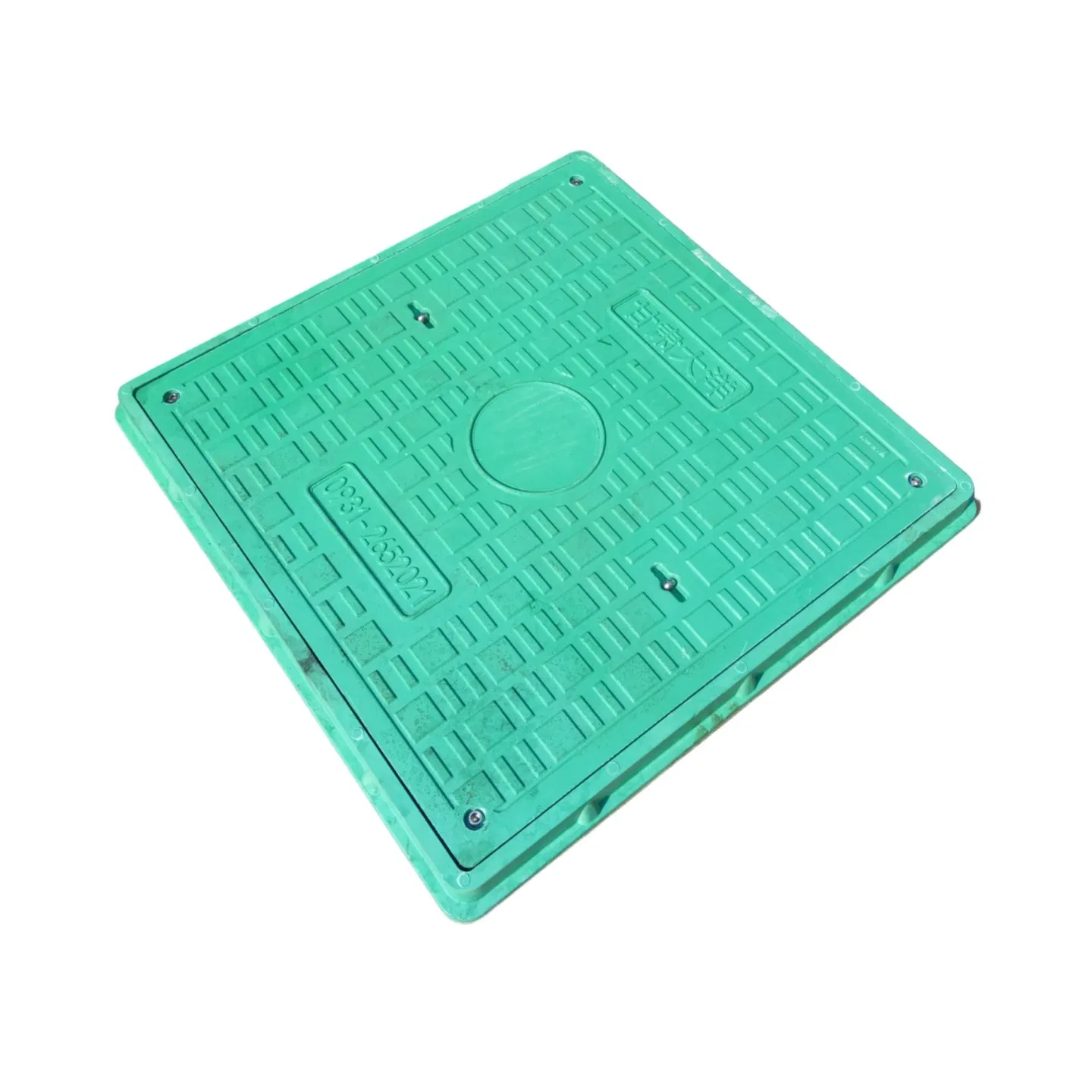
Introduction: The Growing Need for Lightweight Theft Proof Manhole Covers
Manhole cover theft is a multi-billion-dollar global problem that affects utility companies, municipalities, and property owners alike. Traditional cast iron covers are targeted for their scrap metal value, leaving dangerous open holes and creating costly replacement cycles. Enter the lightweight manhole cover theft proof solution — a new generation of access covers engineered from composite materials that eliminate scrap value while delivering superior strength and durability. This guide explores everything you need to know about theft-proof covers, from materials and locking mechanisms to pricing and applications.
Whether you are a procurement manager for a utility company, a security engineer at a telecom base station, or a homeowner looking to secure your driveway, understanding how a lightweight theft proof manhole cover works can save you thousands in long-term replacement and liability costs. In this article, we cover the global theft crisis, the science behind composite materials, available locking systems, key use cases, and practical buying advice.
The Global Problem of Manhole Cover Theft
Every year, hundreds of thousands of cast iron manhole covers are stolen worldwide. In the United States alone, cities like Los Angeles, Chicago, and New York report thousands of stolen covers annually, with each replacement costing between $200 and $500 — not including the public liability risk. The problem is even more severe in developing nations, where organized theft rings target metal covers for scrap recycling.
The financial impact is staggering. According to industry estimates, manhole cover theft costs global utilities and governments over $1 billion annually in direct replacement costs, not counting liability claims from accidents caused by exposed manholes. The root cause is simple: cast iron covers have scrap value ranging from $5 to $20 each, making them an irresistible target for thieves.
Traditional deterrents like chains, padlocks, and welded frames have limited effectiveness. Thieves use angle grinders, crowbars, and even vehicles to extract metal covers. The only permanent solution is to eliminate the financial incentive entirely — which is exactly what lightweight manhole cover theft proof composite technology achieves.
What Is a Lightweight Theft Proof Manhole Cover?
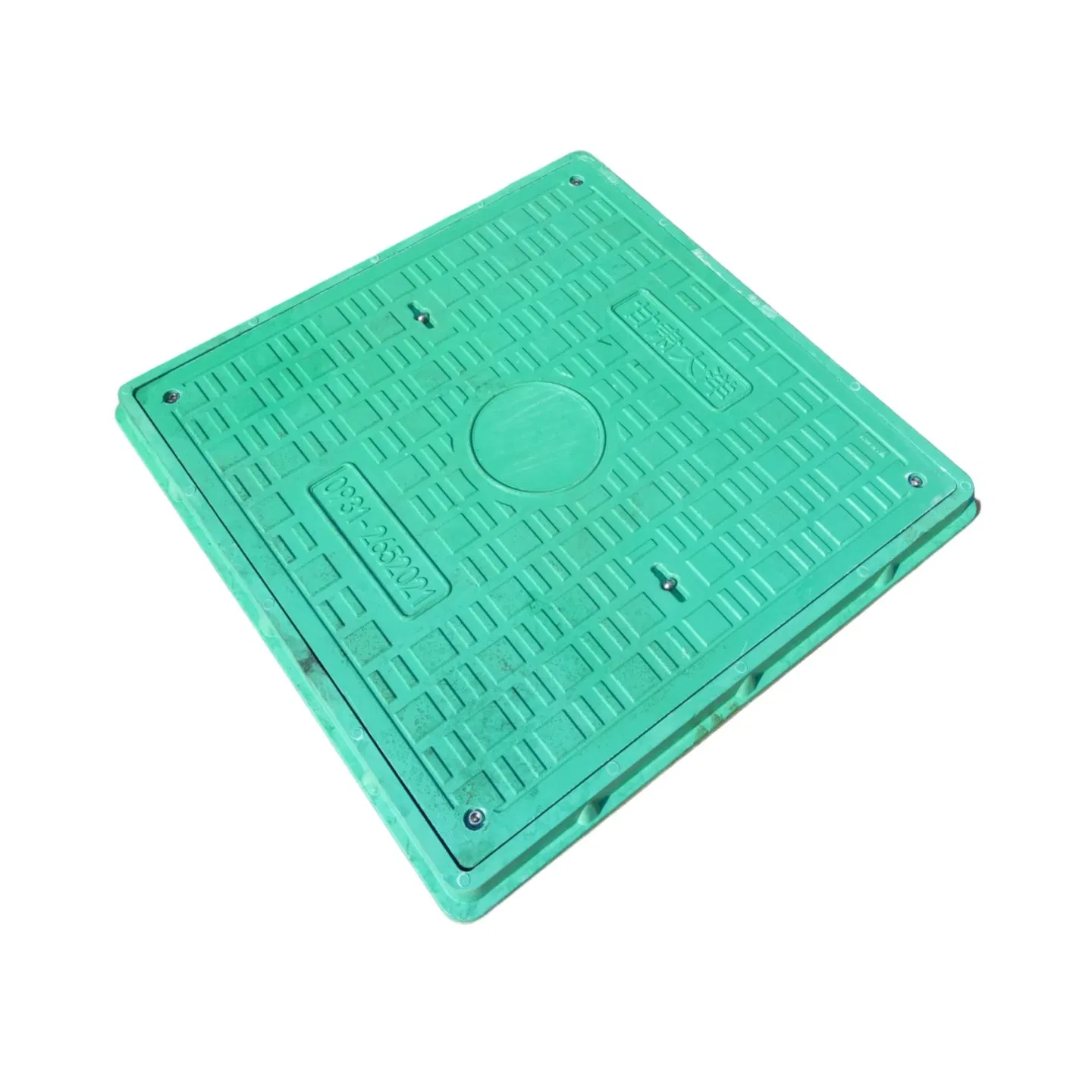
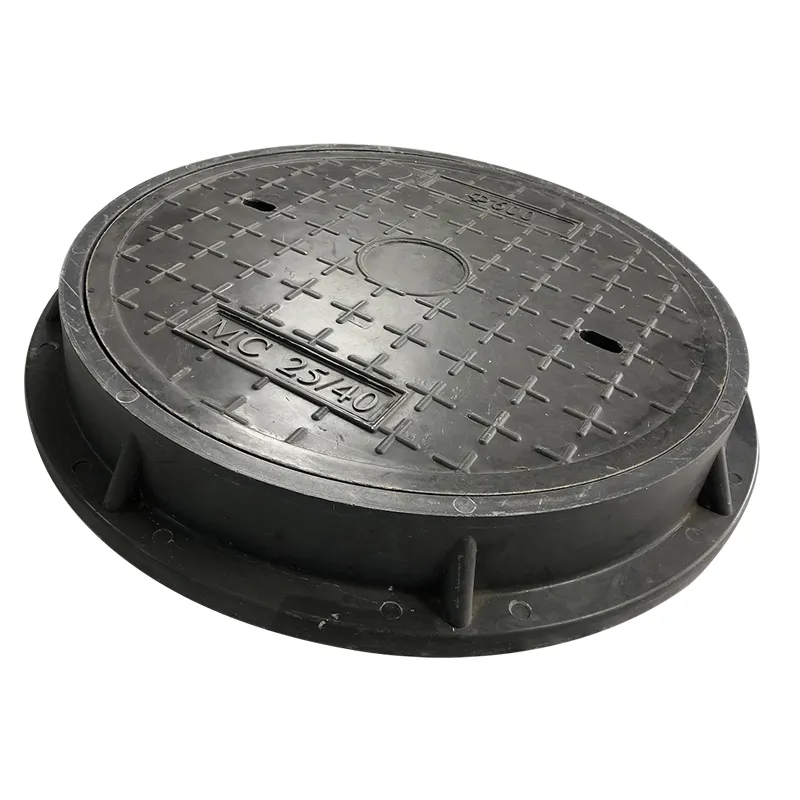
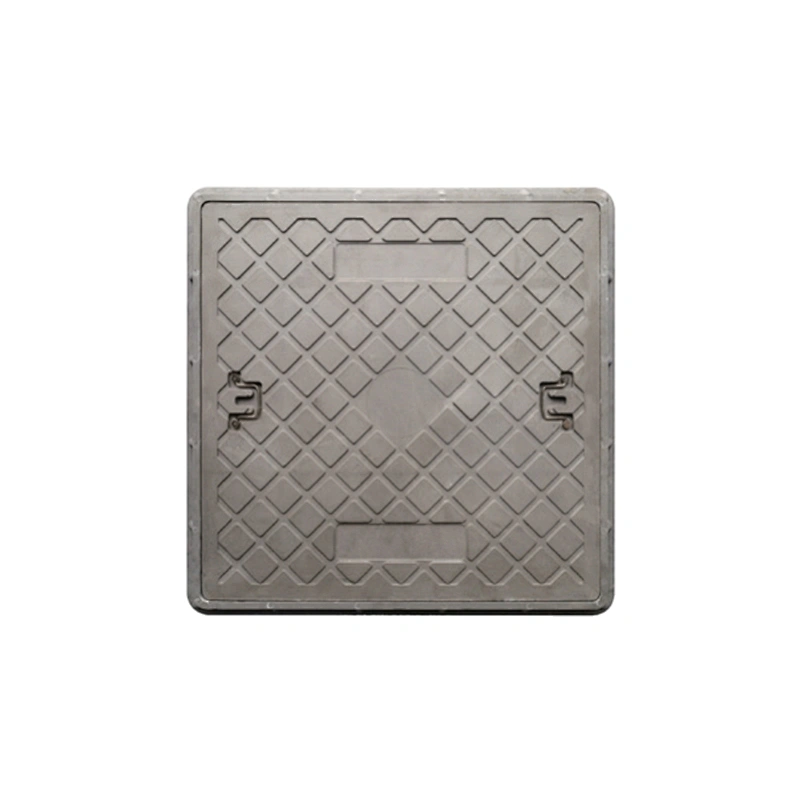
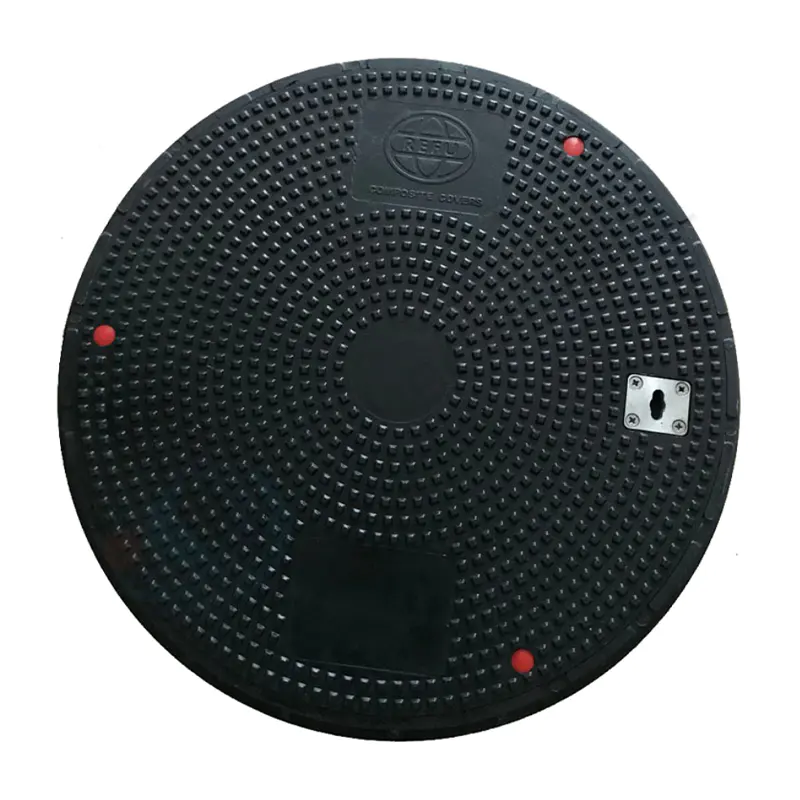
A lightweight manhole cover theft proof is an access cover manufactured from fiber-reinforced polymer (FRP) or sheet molding compound (SMC) composite materials rather than traditional cast iron or ductile iron. These covers are designed to meet or exceed load-bearing standards (EN124, Class A15 to F900) while offering a fraction of the weight — typically 60-75% lighter than their cast iron counterparts.
The defining characteristic that makes these covers truly theft-proof is their zero scrap value. Unlike metal covers that can be sold to recyclers, FRP and composite materials have no resale value in the scrap market. A thief who spends time and effort removing a composite cover gains nothing financially — the material cannot be melted down or recycled for profit. This simple but powerful economic deterrent stops theft before it starts.
Composite covers also offer excellent durability, corrosion resistance, and UV stability. They do not rust, degrade in harsh chemicals, or become brittle in extreme temperatures. Many manufacturers provide 5-10 year warranties, and the expected service life often exceeds 20 years in normal conditions. This makes anti theft lightweight manhole covers a superior long-term investment for any application where security and longevity matter.
FRP and Composite Materials: Zero Scrap Value
FRP (Fiber-Reinforced Polymer) and SMC (Sheet Molding Compound) are the primary materials used in anti theft lightweight manhole covers. These composites consist of thermoset resins reinforced with glass fibers, creating a material that is incredibly strong yet lightweight — typically weighing only 20-35 kg for a 600×600 mm cover, compared to 80-100 kg for cast iron.
The key to the theft-proof property of composite covers lies in their composition. FRP and SMC materials contain no metal content that can be extracted and sold for scrap. Unlike cast iron (which fetches $150-250 per ton at recyclers), ductile iron, or aluminum covers, composite covers have zero scrap value. This single characteristic is the most effective theft deterrent available — it removes the financial motivation completely.
Additional material benefits include:
- Corrosion resistance: Composite materials do not rust, even in acidic soil, saltwater environments, or chemical processing areas.
- Electrical insulation: FRP covers are non-conductive, making them ideal for power substations and communication sites.
- UV stability: High-quality composites include UV inhibitors that prevent degradation from sunlight exposure.
- Temperature tolerance: These covers perform reliably from -40°C to +120°C without warping or cracking.
- Load performance: EN124-compliant composite covers handle loads from A15 (pedestrian) to F900 (airport runway).
A common question is: "Are lightweight manhole covers really theft proof?" The answer is yes — when constructed from FRP or composite with zero scrap value and paired with a locking mechanism, these covers provide complete theft deterrence. No thief will target a cover that offers no financial return.
Lightweight Manhole Cover vs Standard Theft Proof Cover
When comparing a lightweight manhole cover vs standard theft proof cover, several factors come into play. Traditional cast iron covers are heavy, durable, and have been the industry standard for decades. However, their weight (80-120 kg) makes them difficult to handle, expensive to transport, and vulnerable to theft.
| Feature | Lightweight Composite Cover | Standard Cast Iron Cover |
|---|---|---|
| Weight (600×600 mm) | 20-35 kg | 80-100 kg |
| Scrap Value | Zero — not recyclable for metal | $5-20 per unit |
| Theft Risk | Near zero | Very high |
| Corrosion Resistance | Excellent — does not rust | Poor — rusts over time |
| Installation Effort | 1 person, no equipment | 2-3 people or lifting gear |
| Transport Cost | Low (lighter = more units per truck) | High |
| Load Rating | A15 to F900 (EN124) | A15 to F900 (EN124) |
| Service Life | 20+ years | 10-15 years (rust dependent) |
The table clearly shows that for applications where theft is a concern, composite covers are the superior choice. They match or exceed cast iron in load performance while eliminating the theft incentive entirely. The theft proof composite manhole cover with locking mechanism represents the gold standard in security access covers.
Theft Proof Manhole Cover Locking Mechanisms
A theft proof manhole cover locking mechanism adds an additional layer of security beyond the zero-scrap-value material deterrent. While composite materials alone stop theft by eliminating financial incentive, mechanical locking systems prevent unauthorized removal through physical means — making it nearly impossible to open the cover without the correct key or tool.
Modern lightweight theft proof manhole covers with locking systems combine composite construction with engineered locking mechanisms. A lightweight theft proof manhole cover with locking system is designed for applications where both material deterrence and physical security are required. These systems are engineered to withstand tampering attempts including prying, impact, and chemical attack while remaining easy for authorized personnel to open during routine maintenance.
A well-designed locking system serves three purposes:
- Deterrence: Visible lock points signal to potential thieves that forced removal will be difficult and time-consuming.
- Prevention: Mechanical engagement between the cover and frame prevents lifting, sliding, or rotating the cover out of position.
- Accountability: Key-controlled access allows operators to track who opened each cover and when.
The combination of composite material (zero scrap value) and a robust theft proof manhole cover locking mechanism creates a truly secure access solution suitable for the most theft-prone locations.
Types of Locking Systems
Several types of theft proof manhole cover locking mechanism designs are available, each suited to different security requirements and access frequencies:
- Stainless steel bolt-down systems: The cover is secured to the frame with tamper-proof stainless steel bolts that require a special tool to remove. These are the most common and cost-effective solution for utility applications.
- Key-operated cam locks: A rotating cam mechanism engages with a recess in the frame frame when turned with a triangular or pentagonal key. Ideal for areas requiring frequent access.
- Spring-loaded locking pins: Locking pins are embedded in the cover and spring into matching holes in the frame when closed. A release tool is required to retract the pins during opening.
- Internal latch mechanisms: A latch system mounted on the underside of the cover engages with the frame rim. Only accessible when the cover is slightly lifted, preventing tool-based tampering.
- Combination lock systems: Heavy-duty mechanical combination locks integrated into the cover surface, eliminating the need for keys entirely.
For most applications, the best theft proof locking mechanism for manhole covers is a stainless steel bolt-down or key-operated cam lock system, as these offer the best balance of security, reliability, and maintenance access. For high-security sites like power substations and data centers, internal latch mechanisms or combination locks provide superior tamper resistance.
How Does a Manhole Cover Locking Mechanism Work?
Understanding how a manhole cover locking mechanism work is important for both procurement decisions and field maintenance. While specific designs vary by manufacturer, most systems operate on the same fundamental principle: the locked cover is mechanically engaged with the frame in a way that prevents vertical lift.
Step-by-step operation of a typical key-operated cam lock mechanism:
- Closed position: The cover sits flush in the frame. The locking cam (a metal tab attached to the lock cylinder) is rotated into a recessed pocket in the frame, preventing the cover from being lifted.
- Unlocking: A specialized key (triangular, pentagonal, or custom profile) is inserted into the lock cylinder and turned. This rotates the cam out of the frame pocket, freeing the cover for removal.
- Opening: With the cam disengaged, a lifting tool or handle is used to raise the cover from the frame. The lightweight composite material makes this a one-person operation.
- Locking: After maintenance, the cover is lowered into the frame, and the key is turned to rotate the cam back into the locked position. The key can only be removed when fully locked.
For manhole cover locking mechanism installation, most modern composite covers come with the locking mechanism pre-installed from the factory. Field installation typically involves bolt-on retrofitting for existing covers, requiring only basic tools. Always consult the manufacturer torque specifications to ensure proper engagement without damaging the composite material.
Maintenance tip: Apply silicone-based lubricant to the lock cylinder twice per year to prevent seizing, particularly in dusty or coastal environments. Stainless steel components should be inspected annually for signs of corrosion or wear.
Key Applications for Anti-Theft Lightweight Manhole Covers
Anti theft lightweight manhole covers for utilities and other critical infrastructure are deployed across a wide range of environments where security, weight savings, and durability are paramount. The combination of zero scrap value and mechanical locking makes these covers ideal for locations that are traditionally targeted by metal thieves.
The following sections break down the primary application areas and explain why composite theft-proof covers are the preferred choice in each setting.
Remote Areas and Utility Infrastructure
Remote and rural utility infrastructure is particularly vulnerable to manhole cover theft. Water treatment plants, irrigation canals, sewer access points, and telecommunication vaults are often located in unmonitored areas where thieves can operate undetected. Replacing stolen covers in these locations incurs high logistics costs due to remote access requirements. This is why an anti theft lightweight manhole cover for utilities is the recommended solution by infrastructure security experts worldwide. Choosing the right anti theft lightweight manhole cover for utilities ensures long-term protection without the burden of constant replacement.
How to secure utility manhole covers from theft:
- Replace all metal covers in remote locations with anti theft lightweight manhole covers for utilities made from FRP composite with zero scrap value.
- Specify EN124 load-rated covers appropriate for the traffic class — typically B125 (garden/pedestrian) or C250 (roadside) for utility access points.
- Choose covers with integrated locking mechanisms such as bolt-down systems or key-operated locks for added security.
- Use color-coded covers (green for water, blue for telecom, yellow for gas) for easy identification during maintenance.
Anti theft utility manhole cover specifications typically include: FRP/SMC construction, EN124 B125 or C250 load rating, integrated stainless steel locking mechanism, anti-slip surface finish, and UV-stabilized resin system. These covers provide reliable service for 20+ years with minimal maintenance, even in harsh outdoor environments.
Copper Mines, Communication Base Stations and Power Substations
Specialized high-theft environments benefit enormously from lightweight composite theft-proof covers:
- Copper mines and mineral processing plants: These sites have high-value metal infrastructure that attracts organized theft rings. Composite covers eliminate the scrap metal incentive while providing corrosion resistance against acidic mine runoff and chemical exposure.
- Communication base stations (cell towers): Telecom vaults contain copper cabling and sensitive electronics. A lightweight theft proof manhole cover with locking system prevents unauthorized access while the lightweight material makes it easy for a single technician to perform maintenance without lifting equipment.
- Power substations and electrical utilities: Non-conductive FRP composite covers provide electrical insulation as a safety bonus. When combined with locking mechanisms, they prevent both theft and unauthorized access to high-voltage equipment. The dielectric properties of composite materials eliminate the risk of electrical arcing during cover removal.
- Renewable energy installations: Solar farms and wind turbine bases use composite covers for cable access vaults, benefiting from corrosion resistance and theft deterrence in remote, unstaffed locations.
In all these environments, the combination of zero scrap value material and integrated locking creates a security solution that standard cast iron covers cannot match. The total cost of ownership over 10 years is typically 40-60% lower than iron covers when factoring in theft replacement costs.
Residential Properties
Homeowners and property managers are increasingly turning to lightweight locking manhole covers for residential applications. A lightweight locking manhole cover for residential use offers the perfect balance of security, weight savings, and ease of installation. Finding a durable lightweight locking manhole cover for residential properties ensures your driveway or garden access point remains secure for years. Driveways, garden paths, and private access points are common targets for casual theft, and a stolen cover on a residential property creates an immediate safety hazard.
Lightweight manhole cover with lock for home driveway solutions offer several advantages:
- Easy handling: At 20-35 kg, one person can install or remove a composite cover without mechanical equipment — ideal for homeowners who lack heavy lifting tools.
- Aesthetic options: Composite covers can be molded with various surface patterns, colors, and even artificial stone finishes that blend with landscaping.
- Load rating D400: For driveways that experience vehicle traffic, lightweight residential manhole cover with lock D400 rated covers provide full load-bearing capacity while remaining theft-proof. D400-rated composite covers handle vehicles up to 40 tons — sufficient for any residential driveway, including emergency service vehicles.
- Keyed access: Homeowners can control exactly who accesses their drainage or utility vault, preventing unauthorized entry while maintaining easy access for maintenance.
For the best lightweight manhole cover for residential property, look for EN124 D400 rating, integrated key lock, anti-slip surface texture, and at least a 5-year manufacturer warranty. These covers typically last 20+ years with zero maintenance beyond occasional lock lubrication.
Lightweight Security Manhole Cover Price and Cost Factors
Understanding lightweight security manhole cover price ranges is essential for budgeting any procurement project. The cost of a theft-proof composite manhole cover depends on several variables:
| Factor | Price Impact | Typical Range |
|---|---|---|
| Size (e.g., 600×600 mm vs 800×800 mm) | Larger = higher price | $50-200 |
| Load Rating (B125 / C250 / D400 / E600 / F900) | Higher rating = higher price | $10-80 premium per class |
| Locking Mechanism (bolt-down vs key cam vs combo) | More complex = higher price | $15-60 additional |
| Surface Finish (standard vs anti-slip vs decorative) | Specialized finish = premium | $5-25 additional |
| Order Volume (wholesale vs retail) | Bulk = lower per-unit | 10-30% discount at 50+ units |
To give you a concrete reference: the lightweight lockable manhole cover price for a standard 600×600 mm D400-rated composite cover with integrated key lock typically falls in the $80-180 range for retail quantities. The same cover without a locking mechanism is usually $10-30 less.
Comparing lightweight security manhole cover vs standard price difference: A standard cast iron D400 cover costs $60-120, while a composite theft-proof cover with lock costs $80-180. The upfront premium of $20-60 is quickly recovered when considering that cast iron covers may need replacement every 1-3 years due to theft, while composite covers last 20+ years with zero theft risk.
For bulk procurement (50+ units), the anti theft lightweight manhole cover price typically drops to $60-130 per unit, making it highly cost-effective for large utility projects. Always request freight-included pricing, as the weight savings on composite covers significantly reduce shipping costs — you can fit 3x more composite covers than iron covers in a standard container.
Where to Buy Lightweight Theft Proof Manhole Covers
If you are asking where to buy lightweight theft proof manhole covers, you have several options depending on your location, volume requirements, and certification needs:
- Direct from manufacturers (recommended for bulk orders): Chinese FRP composite cover manufacturers offer the best value for large-volume procurement. They provide OEM/ODM services, custom sizes, EN124 certification, and competitive pricing for orders of 50+ units. Lead times are typically 15-30 days for production plus shipping.
- Regional distributors and stockists: For smaller quantities (1-20 units), local infrastructure supply companies often stock standard sizes and load ratings. Prices are higher than direct factory sourcing but delivery is faster.
- Online B2B platforms: Alibaba, Made-in-China, and Global Sources list verified manufacturers. Always check for EN124 test reports, manufacturer certifications (ISO 9001), and third-party inspection services before ordering.
- Specialty security suppliers: Companies that focus on infrastructure security products often carry premium locking composite covers with extended warranties.
For utility companies asking where to buy anti theft manhole covers for utilities, the most cost-effective approach is to source directly from a manufacturer that specializes in FRP composite covers for infrastructure applications. Look for manufacturers who provide:
- EN124:2016 certification documentation
- Load test reports from accredited laboratories
- Material composition and UV stability data sheets
- Sample availability for field testing
- Custom branding and color matching services
We invite you to contact our team for pricing and specifications on our full range of lightweight theft proof manhole covers — including custom sizes, locking mechanisms, and bulk pricing. Browse our product catalog to explore available models.
Conclusion
Manhole cover theft is a persistent and costly problem that traditional cast iron covers cannot solve. The lightweight manhole cover theft proof solution — combining FRP/SMC composite construction with zero scrap value and integrated locking mechanisms — offers the only permanent deterrent to this multi-billion-dollar global issue.
Key takeaways:
- Zero scrap value is the most effective theft deterrent — composite materials have no resale value, eliminating the financial motivation for theft.
- Locking mechanisms add a physical security layer, with options ranging from bolt-down systems to key-operated cam locks to combination locks.
- Versatile applications include utility infrastructure, copper mines, communication base stations, power substations, and residential driveways.
- Cost-effective long-term: While the upfront lightweight security manhole cover price may be slightly higher than cast iron, the total cost of ownership over 20 years is dramatically lower due to zero theft replacement costs.
- Easy installation and maintenance: At 60-75% lighter than cast iron, composite covers can be installed by a single person without heavy equipment.
Whether you are securing a remote water treatment plant, a urban telecom vault, or a residential driveway, investing in lightweight theft proof manhole covers with locking systems provides peace of mind and long-term savings. Contact us today to discuss your specific requirements and receive a custom quote.