Introduction
Manhole cover theft is a growing concern for municipalities, utility companies, and property owners worldwide. Stolen covers create safety hazards, service disruptions, and replacement costs that quickly add up. A lightweight theft proof manhole cover with locking system offers an effective solution — combining the easy handling of composite materials with integrated security mechanisms that prevent unauthorized removal. Unlike traditional cast-iron covers that weigh over 100 kg and hold scrap value, these modern alternatives are both practical to install and inherently theft-deterrent. This guide explores locking mechanism types, installation methods, application scenarios, pricing, and procurement considerations to help you choose the right cover for your project.
What Is a Lightweight Theft Proof Manhole Cover with Locking System?
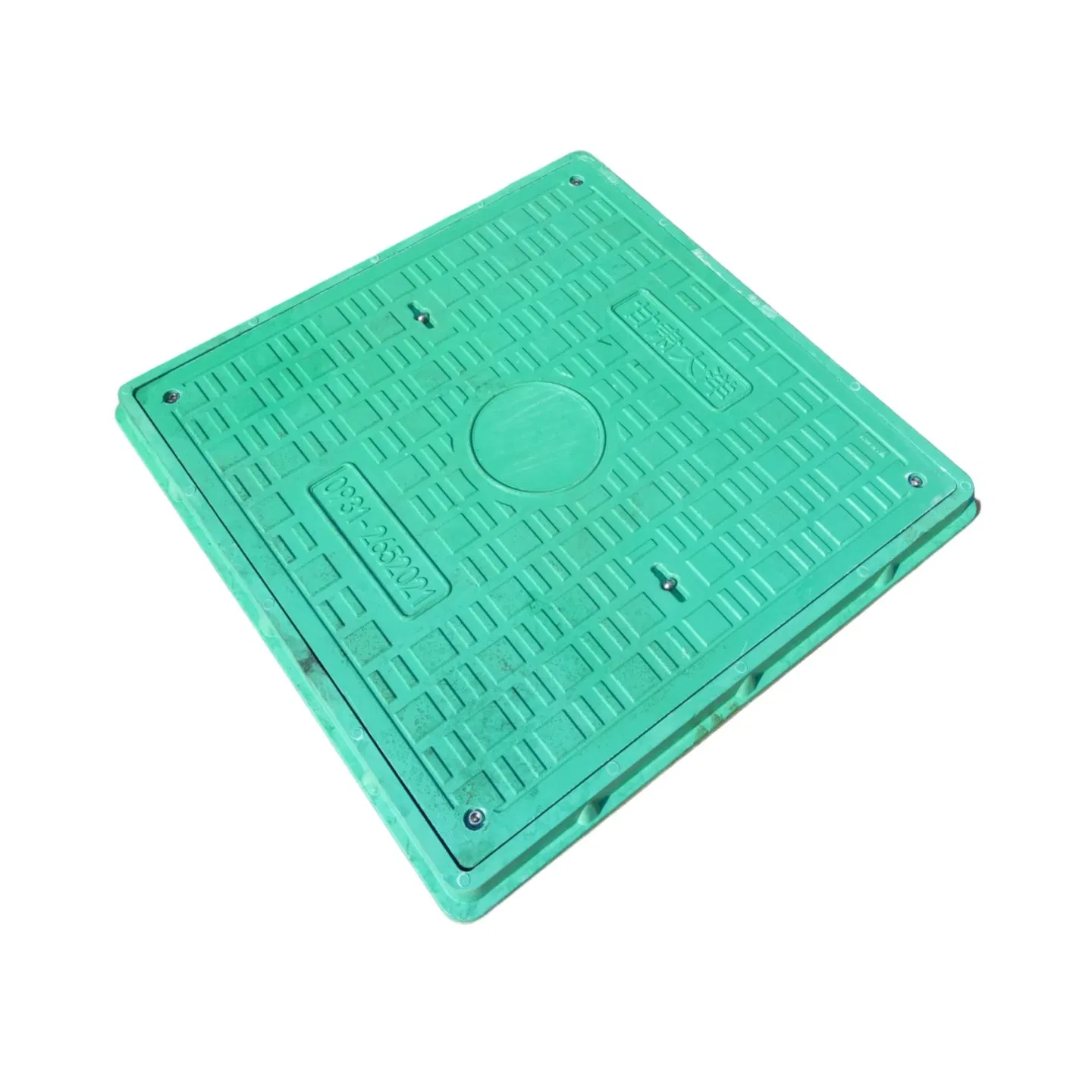
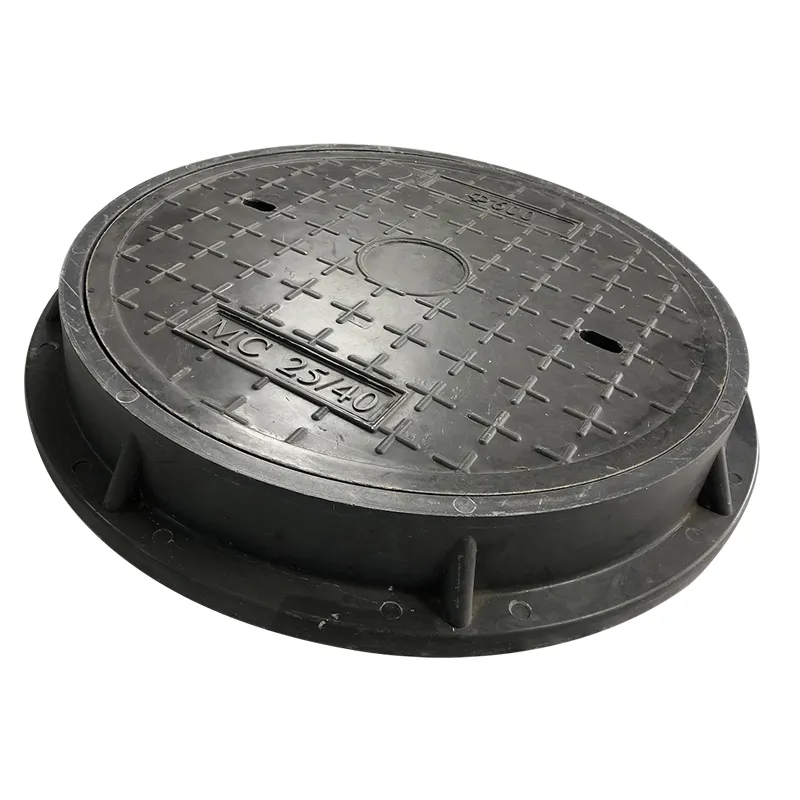
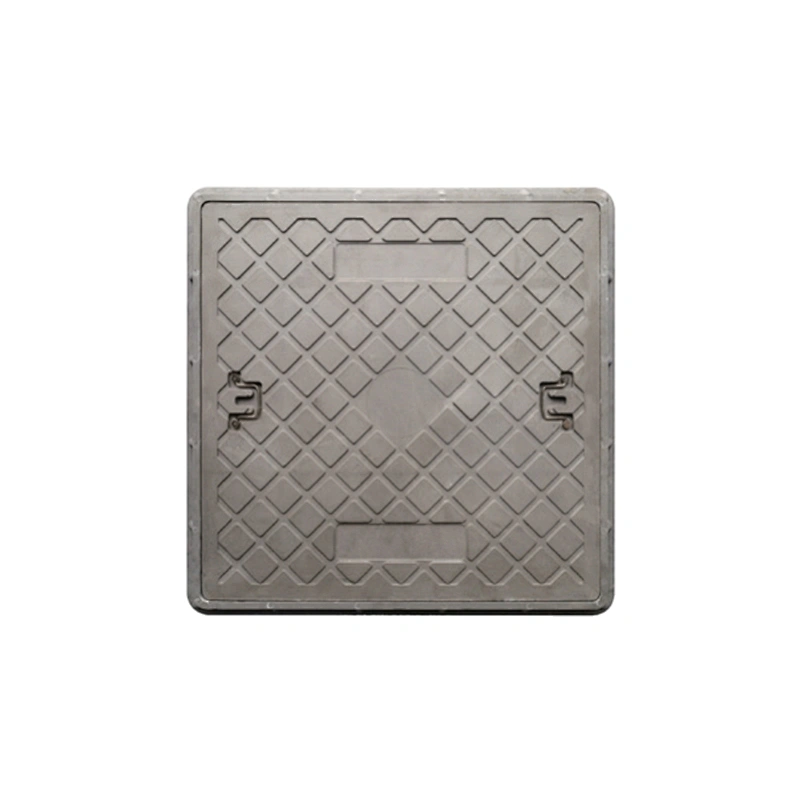
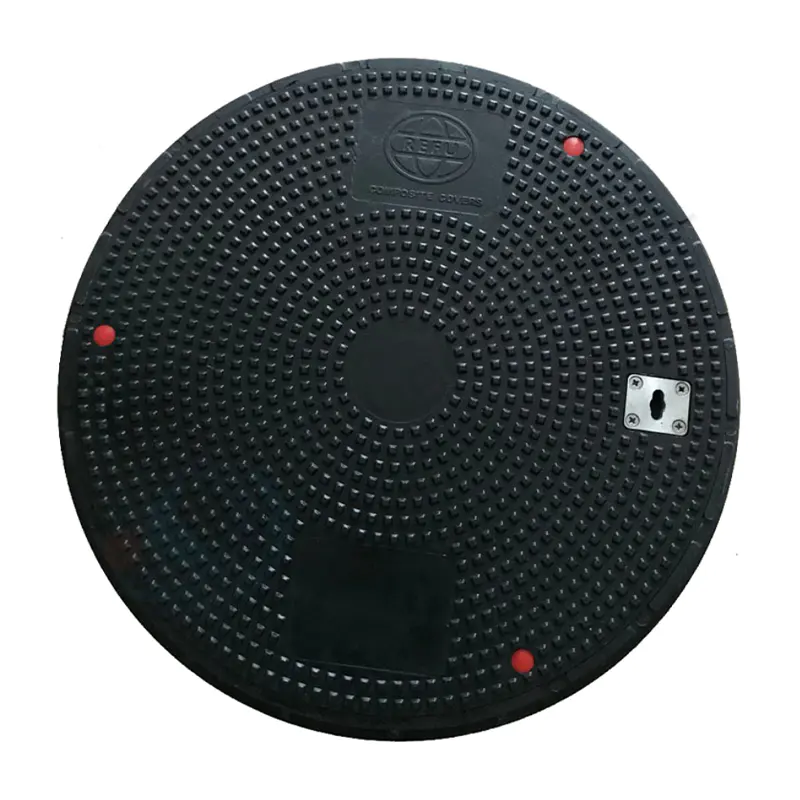
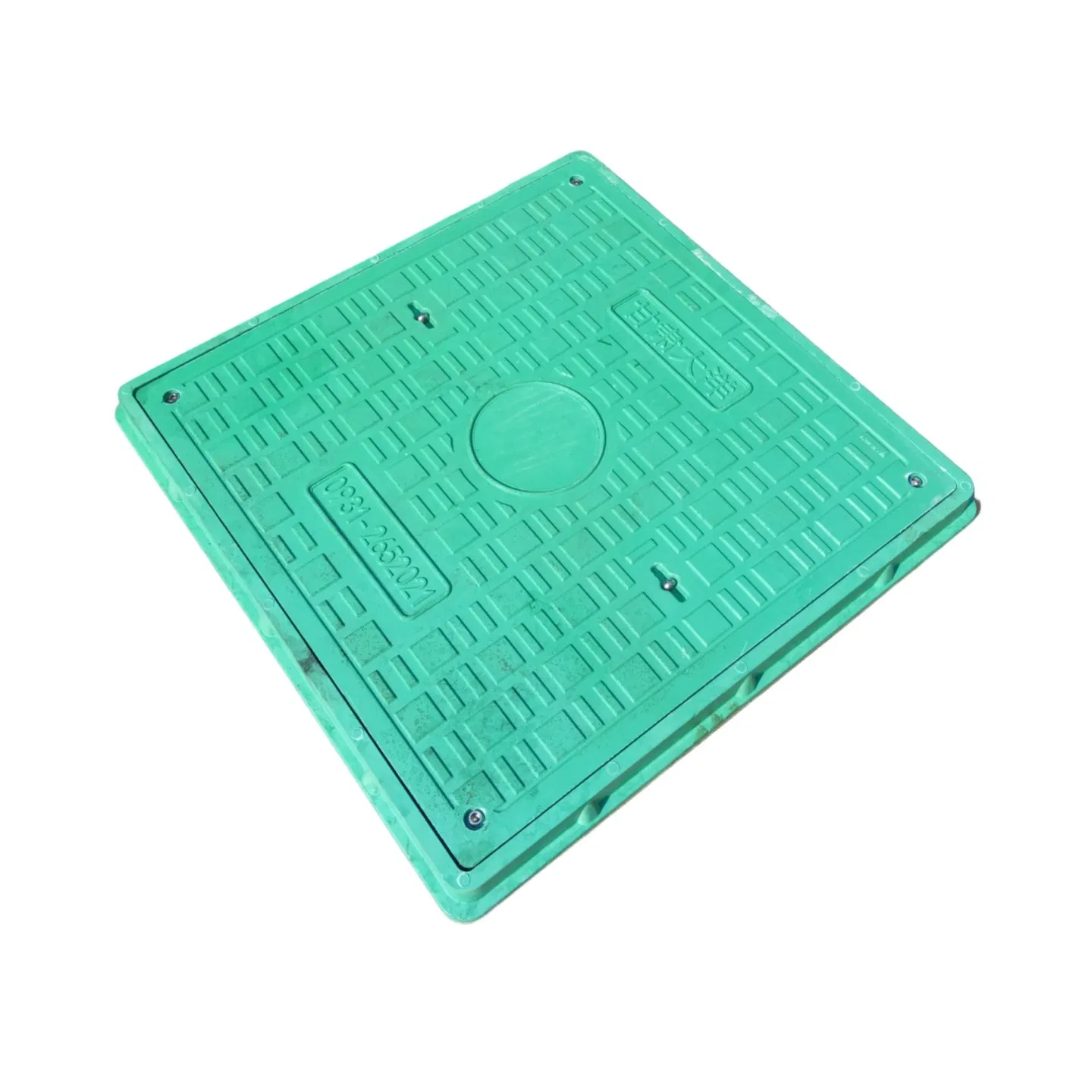
A lightweight theft proof manhole cover with locking system is a composite access cover manufactured from materials such as SMC (Sheet Molding Compound), BMC (Bulk Molding Compound), or glass-reinforced plastic (GRP/FRP). These materials offer high strength-to-weight ratios while remaining non-returnable for scrap metal — a key theft deterrent. Typical weight ranges between 15 kg and 45 kg depending on size and load class, compared to 80–130 kg for equivalent cast-iron covers.
Composite Construction and Load Ratings
Composite manhole covers are engineered to meet EN 124 load classifications:
- A15 — pedestrian areas, gardens, and residential driveways (15 kN)
- B125 — sidewalks and car parks (125 kN)
- C250 — slow-traffic zones and roadside gutters (250 kN)
- D400 — roadways and highways with heavy truck traffic (400 kN)
A lightweight locking manhole cover for residential use typically falls in the A15–C250 range, while utility and roadway applications demand C250 or D400 ratings. The composite body is reinforced with ribbed structures to distribute load without added weight.
How Does the Locking System Work?
The theft proof manhole cover locking mechanism is integrated into the cover frame during manufacturing. A lock assembly — either pre-installed or field-fitted — engages with a receiver in the frame when the cover is closed. Once locked, the cover cannot be lifted using standard manhole hooks or pry bars. Only authorized personnel with the correct key, tool, or release mechanism can disengage the lock and remove the cover. This answers the question of how does a theft proof manhole cover locking system work — it physically blocks the lifting points or latch until deliberately released.
Locking Mechanism Types for Theft Proof Manhole Covers
Choosing the right theft proof manhole cover locking mechanism depends on security requirements, access frequency, and budget. The three most common locking types are bolt locks, snap locks, and special-tool mechanisms. Each offers different trade-offs between convenience and security.
Bolt Lock Mechanisms
Bolt locks use a threaded bolt — typically stainless steel — that screws through the cover body into a threaded receiver in the frame. The bolt head may feature a custom socket pattern (triangle, pentagon, or proprietary shape) that requires a matching key to turn. Best theft proof locking mechanism for manhole covers in high-risk areas is often the bolt lock, because the thread engagement provides very high pull-out resistance. A standard bolt lock can withstand lifting forces exceeding 5,000 N. The main trade-off is installation time: each bolt must be hand-tightened or tool-tightened during every close cycle. Bolt locks are ideal for utility vaults, telecom chambers, and infrastructure where covers are accessed weekly or monthly rather than daily.
Snap Lock / Clip Lock Mechanisms
Snap locks (also called clip locks or spring locks) use a spring-loaded latch that engages automatically when the cover is lowered into the frame. No turning or threading is required — the cover simply snaps into the locked position. Disengagement requires a special release tool inserted through a small access port to compress the spring and free the latch. This mechanism is fast to operate and popular for lightweight locking manhole cover for residential driveways and gardens where ease of use matters. The best anti theft composite manhole cover for low-to-medium security zones typically uses a snap lock because it deters casual theft while allowing quick access for homeowners or maintenance staff.
Special Tool Opening Mechanisms
Some locking covers use a custom-key or magnetic release system where the unlocking tool is unique to that cover series. Examples include:
- Triangular key sockets — a common utility standard
- Pentagonal or cruciform sockets — higher security variants
- Magnetic release — a magnetic tool disengages an internal latch with no visible keyhole
- T-handle internal locks — operated from inside the cover via a specialized tool
The manhole cover lock mechanism price varies by type: bolt locks are typically $15–$40 per unit, snap locks $10–$25, and magnetic/special-tool mechanisms $25–$60. For procurement managers, standardizing on one lock family reduces tool inventory and training costs. The question of what is the best locking mechanism to prevent manhole cover theft depends on site risk level — bolt locks for high-risk public infrastructure, snap locks for residential, and magnetic systems for premium security installations.
Applications: Where to Use Anti-Theft Lightweight Manhole Covers
The versatility of composite locking covers makes them suitable for a wide range of environments. Below are the primary application categories where an anti theft lightweight manhole cover for utilities or a residential locking cover delivers the most value.
Utility Infrastructure and Public Spaces
Telecommunications, water, gas, and electrical utilities are frequent targets for manhole cover theft because their covers are often exposed in public rights-of-way. An anti theft lightweight manhole cover for utilities solves this by combining a non-metallic composite body (zero scrap value) with a bolt lock or special-tool mechanism. Municipalities increasingly specify locking composite covers for:
- Telecom manholes in urban sidewalks
- Water meter pits and valve chambers
- Electrical utility vaults
- Traffic signal control boxes
- Public park irrigation systems
For these applications, D400 or C250 rated composite covers with bolt lock mechanisms provide the highest security. The question of how to secure utility manhole covers from theft is best answered by specifying locking composite covers from the procurement stage rather than retrofitting security measures after theft incidents occur.
Residential Properties and Private Driveways
Homeowners and property developers prefer lightweight locking manhole cover for residential applications because composite covers are easy to lift for maintenance and do not rust or corrode. A locking cover prevents unauthorized access to septic tanks, drainage inspection points, and underground utility connections on private property. The best lightweight manhole cover for residential property typically uses a snap lock mechanism — quick to operate and sufficient to deter vandals. For home driveways, a D400-rated composite locking cover can support vehicle loads while weighing only 25–35 kg, compared to 100+ kg for a cast-iron equivalent. The residential locking manhole cover price range of $80–$200 makes it an economical upgrade for new construction or renovation projects.
Lightweight Security Manhole Cover Installation Guide
Installing a lightweight security manhole cover with locking system requires the same basic preparation as a standard composite cover, with an additional step to verify the lock mechanism engages correctly. Here is a manhole cover locking mechanism installation guide for typical frame-and-cover assemblies:
- Prepare the frame bed — Clean the manhole opening and apply a mortar bed or leveling ring to ensure the frame sits flush with the finished surface.
- Set the frame — Lower the frame into the mortar bed, check level in both directions, and adjust with a rubber mallet if needed. Allow the mortar to cure per manufacturer specifications (typically 24–48 hours).
- Inspect the lock receiver — Before installing the cover, confirm the lock receiver in the frame is clean, free of debris, and properly aligned. For bolt lock types, verify the threaded insert is undamaged.
- Mount the lock assembly — If the lock mechanism ships separately, install it into the cover body according to the manufacturer instructions. Torque any fasteners to the specified value.
- Test the lock cycle — With the cover lifted above the frame, test that the lock engages and disengages smoothly. For snap lock types, confirm the latch springs correctly.
- Seat the cover — Lower the cover into the frame. For bolt locks, turn the key to engage the thread. For snap locks, press down firmly until you hear the latch click. Verify the cover is secure by attempting to lift it without the key or tool.
- Final surface adjustment — Adjust the cover height using the frame’s integrated height adjustment screws (if equipped) or by adding shims to the frame bed. Ensure the finished surface is flush with surrounding pavement.
Always refer to the specific product manual for torque values, mortar mix ratios, and load testing procedures. Proper installation is essential for the locking mechanism to function correctly over the cover’s service life.
Price Comparison: Lightweight Security vs Standard Manhole Covers
One of the most frequently asked questions is lightweight security manhole cover price versus standard non-locking alternatives. Below is a representative pricing comparison for a typical 600 mm × 600 mm square cover in D400 load class:
| Cover Type | Typical Price Range (USD) | Weight | Theft Risk |
|---|---|---|---|
| Standard cast-iron cover (no lock) | $80–$150 | 90–130 kg | High |
| Standard composite cover (no lock) | $70–$130 | 20–40 kg | Medium |
| Composite cover with snap lock | $100–$180 | 22–42 kg | Low |
| Composite cover with bolt lock | $120–$220 | 24–45 kg | Very Low |
| Composite cover with magnetic/special tool lock | $150–$280 | 25–45 kg | Very Low |
The lightweight security manhole cover vs standard price difference is typically $30–$100 more for a locking composite cover compared to a standard cast-iron cover. However, when factoring in replacement costs from theft, the payback period is often under two years. A single stolen cast-iron cover can cost $150–$300 to replace including labor, while a locking composite cover eliminates that risk entirely. The anti theft lightweight manhole cover price premium is also offset by lower logistics costs — composite covers weigh 60–70% less, reducing freight charges and on-site handling equipment needs.
For residential locking manhole cover price, A15–B125 rated composite covers with snap locks range from $60–$120, making them a cost-effective choice for homeowners. Bulk procurement for municipal projects can reduce per-unit costs by 15–25% depending on volume. The key takeaway: the security rated lightweight manhole cover price premium is marginal compared to the total cost of repeated theft incidents.
Procurement Considerations: What to Look For
When sourcing a lightweight theft proof manhole cover with locking system for your project, consider the following factors to ensure you select the right product from a reliable supplier:
- Load rating certification — Verify that the cover carries EN 124 or equivalent certification for the intended traffic class. A cover rated for pedestrian use (A15) must not be installed in roadways.
- Lock mechanism type — Match the lock type to the access frequency and security level. Bolt locks for critical infrastructure, snap locks for residential, and magnetic/special tool for high-security zones.
- Material quality — SMC and BMC composites should have UV stabilization for outdoor exposure and fire retardancy where required (e.g., telecom tunnels). Request material test reports from the manufacturer.
- Corrosion resistance — Composite covers are inherently rust-proof, but check that any metallic components in the lock assembly are stainless steel or galvanized to prevent seizure over time.
- Spare parts availability — Ensure the lock mechanism, keys, and replacement components are available from the supplier for the expected service life (typically 10–20 years).
- Key standardization — For large projects, standardize on one key profile across all covers to simplify maintenance and reduce the number of tools carried by field crews.
- Warranty and support — Look for manufacturers offering at least a 5-year warranty on the composite body and 2 years on the locking mechanism. Where to buy anti theft manhole covers for utilities — purchase directly from composite cover manufacturers or authorized distributors who provide technical support and installation guidance.
For buyers asking where to buy lightweight locking manhole cover for residential properties, specialized composite cover suppliers and online industrial marketplaces offer competitive pricing. Always request a sample or product drawing before placing bulk orders, and verify that the frame dimensions match your existing manhole opening. The best theft proof lightweight manhole cover for your application is one that balances load rating, lock security, ease of maintenance, and total cost of ownership over its service life.
Conclusion
A lightweight theft proof manhole cover with locking system is a practical, cost-effective investment for any project where security and ease of handling matter. By understanding the different locking mechanism types — bolt locks for high-security infrastructure, snap locks for residential convenience, and special-tool mechanisms for specialized applications — procurement professionals and property owners can select the right cover for each specific use case.
When evaluating options, consider the total cost of ownership: the initial lightweight security manhole cover price premium over standard covers is rapidly offset by eliminating theft-related replacement costs, reducing logistics weight, and lowering installation labor. Composite materials offer additional benefits — no rust, no scrap value, and long service life — making them a superior choice for modern utility and residential applications.
For more information on specifications, pricing, and custom configurations, contact our team or explore our range of lightweight locking manhole covers with various lock options to match your project requirements.