Introduction
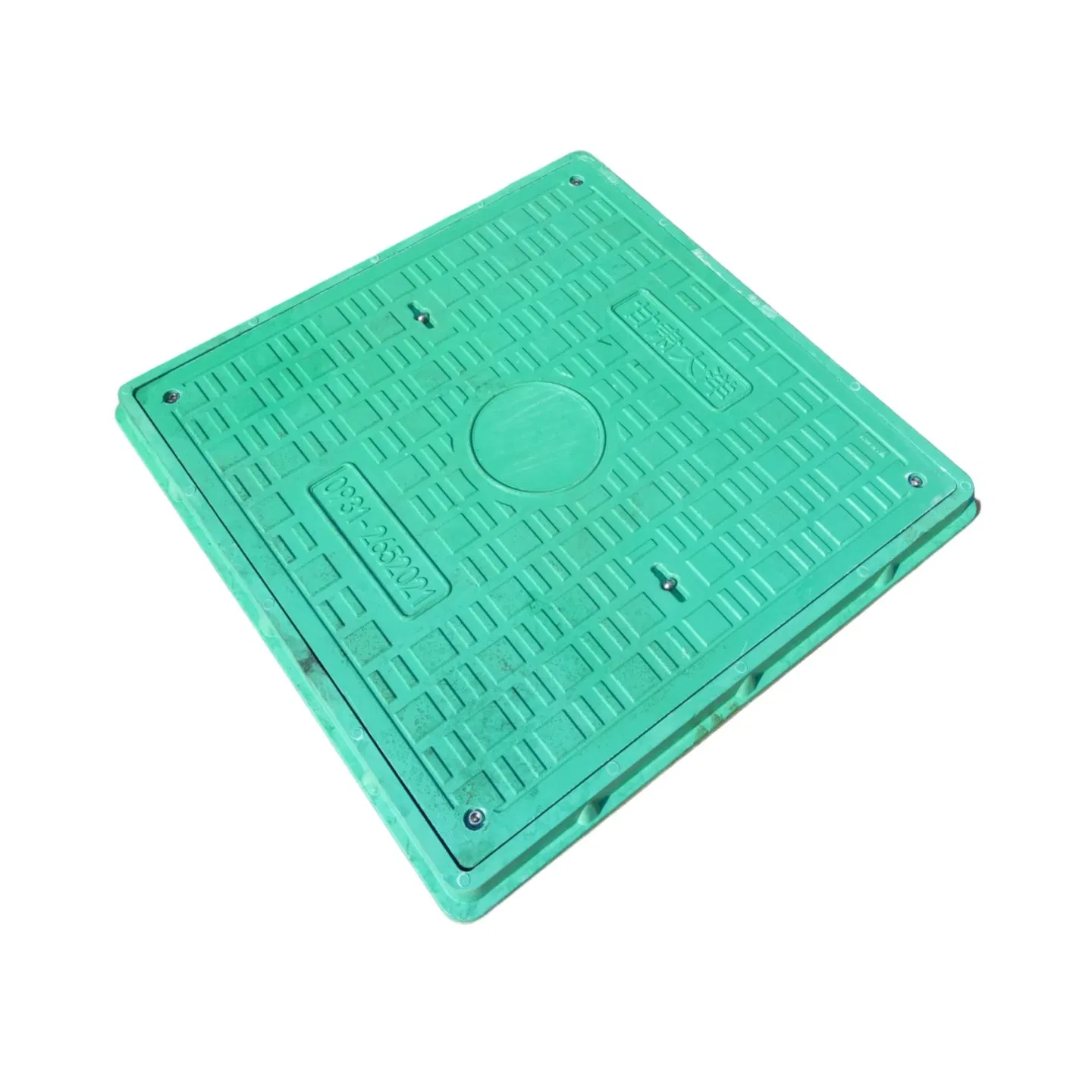
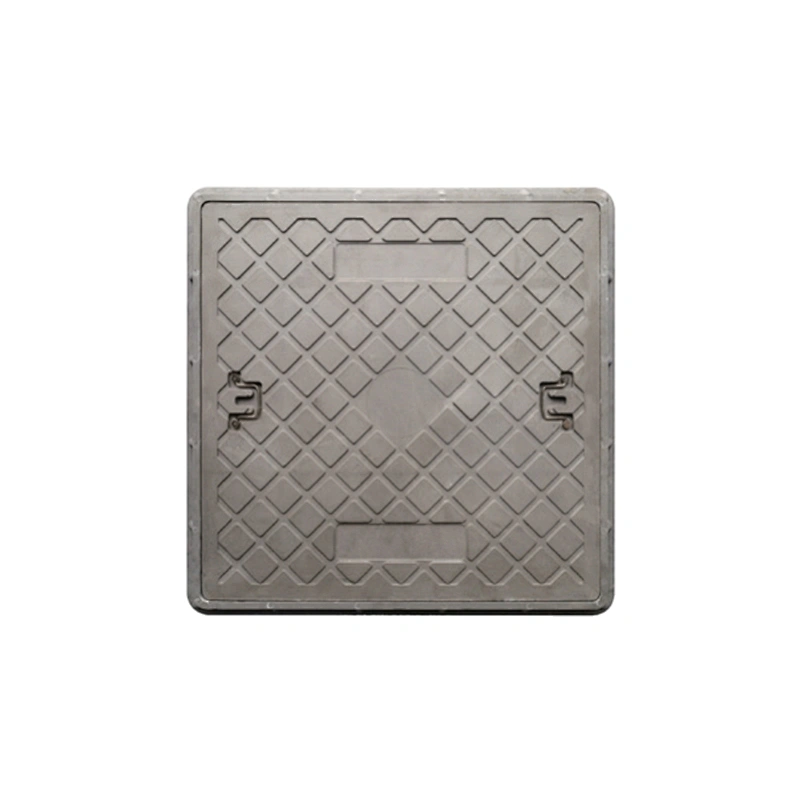
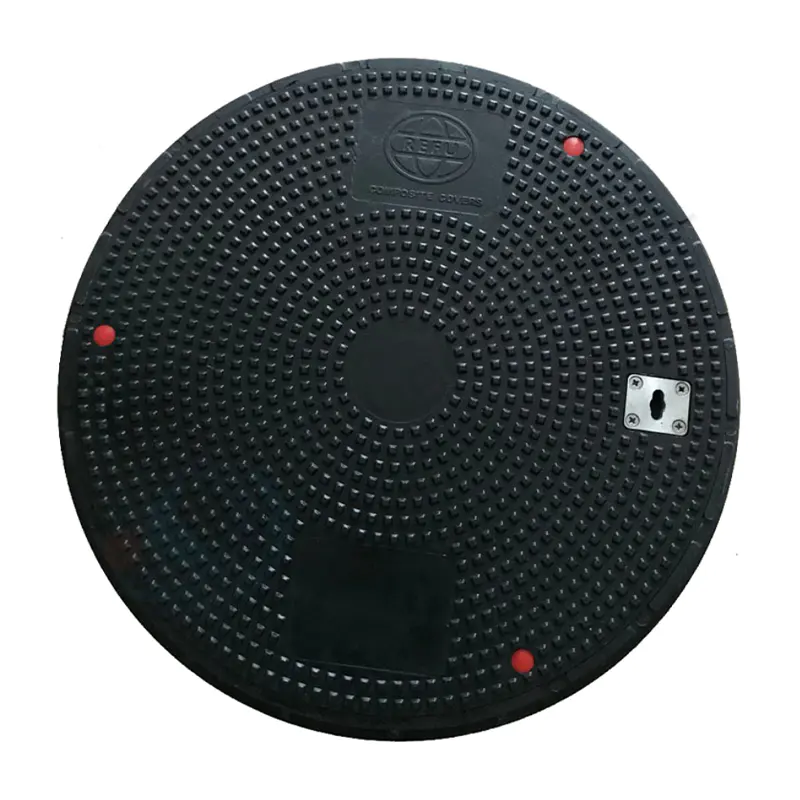
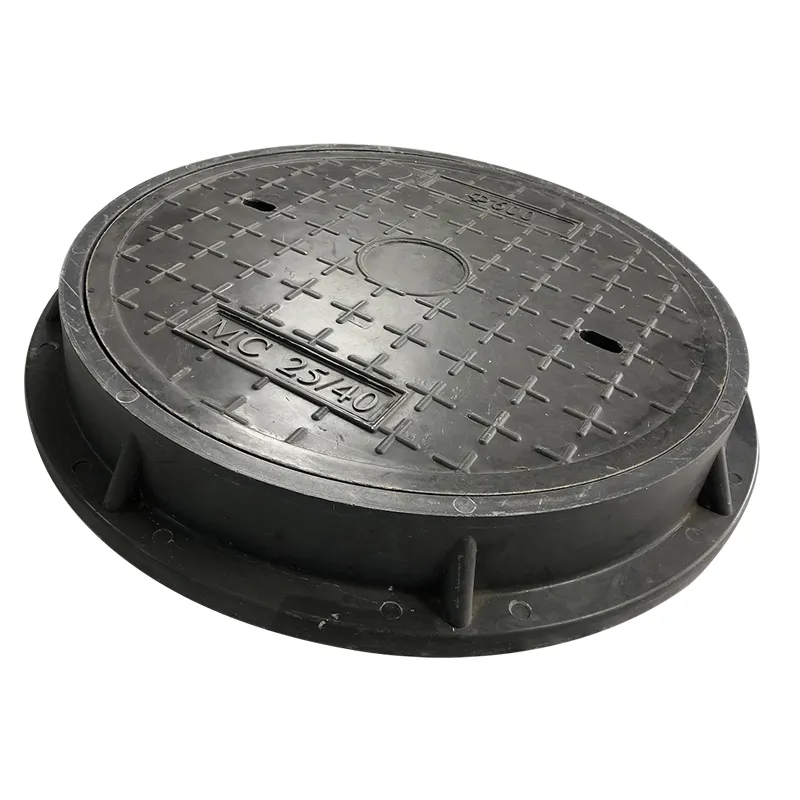
When selecting access covers for municipal infrastructure, industrial sites, and utility networks, engineers and procurement professionals face a critical material decision. The SMC manhole cover vs FRP debate is one of the most common discussions in the composite access cover industry. Both materials belong to the broader family of composite manhole covers, yet they differ substantially in composition, manufacturing process, mechanical properties, and cost structure.
Understanding the difference between SMC (Sheet Molding Compound) and FRP (Fiber Reinforced Plastic) is essential for making an informed purchasing decision. While both materials offer significant advantages over traditional cast iron — including lighter weight, corrosion resistance, and non-metallic properties — they serve different application profiles and budget ranges. This comprehensive comparison guide examines every aspect of SMC manhole cover vs FRP, from raw material composition through manufacturing, performance testing, and real-world deployment scenarios.
Whether you are a municipal engineer specifying covers for a new road project, a facility manager upgrading an industrial plant, or a procurement officer evaluating composite manhole cover vs cast iron alternatives, this guide provides the technical data and practical insights needed to make the right choice.
What Are SMC and FRP Manhole Covers?
What Are SMC Manhole Covers Made Of?
SMC, or Sheet Molding Compound, is a ready-to-mold glass-fiber reinforced polyester material primarily used in compression molding. SMC manhole covers are made from a composite sheet consisting of:
- Unsaturated polyester resin — the thermosetting matrix that binds all components together
- Chopped glass fibers (typically 25–30 mm length, 25–30% by weight) — providing mechanical reinforcement
- Calcium carbonate filler (up to 50% by weight) — reducing cost and controlling shrinkage
- Low-profile additives — ensuring dimensional stability and surface finish
- Pigments and UV stabilizers — for color consistency and weather resistance
- Mold release agents — facilitating demolding after compression
- Thickening agents — controlling the viscosity of the uncured sheet for proper handling
The material arrives at the factory in rolled sheet form, sandwiched between polyethylene films. SMC manhole covers are produced by cutting the sheet to precise dimensions and placing it into a heated compression mold, where the material flows under pressure and cures into a rigid finished product.
What Are FRP Manhole Covers Made Of?
FRP, or Fiber Reinforced Plastic, is a broader material category encompassing any plastic material reinforced with fibers. While SMC is technically a subset of FRP, in industry terminology "FRP manhole covers" typically refer to parts manufactured through hand lay-up, spray-up, or resin transfer molding (RTM) rather than compression molding. The typical composition includes:
- Polyester or vinyl ester resin — the thermosetting matrix; vinyl ester offers superior chemical resistance
- Continuous glass fiber mat or woven roving — directional reinforcement providing higher specific strength than chopped fibers
- Mineral fillers — typically less than SMC formulations, resulting in a higher resin-to-glass ratio
- Gel coat — a pigmented surface layer applied to the mold before lamination, providing UV protection, color, and a smooth finish
- Catalyst and accelerator — initiating and controlling the curing reaction
The fundamental difference in the SMC manhole cover vs FRP comparison lies in the fiber architecture: SMC uses short chopped fibers with high filler content, while FRP uses continuous fiber mats with a higher resin (and lower filler) content. This distinction drives all downstream differences in strength, weight, surface finish, and production economics.
How Are SMC and FRP Manhole Covers Manufactured?
The manufacturing processes for SMC and FRP manhole covers are fundamentally different, influencing production speed, consistency, and cost. Understanding these processes helps clarify the SMC manhole cover vs FRP value proposition.
SMC Manhole Cover Manufacturing Process
- Compound preparation: The polyester resin, filler, additives, and chopped glass fibers are blended in a controlled mixer to form a sheet-like compound. The sheet is calendered to a precise thickness (typically 2–4 mm) and sandwiched between polyethylene carrier films. The material is aged for 24–72 hours to reach optimal molding viscosity — a process called maturation or thickening.
- Charge cutting: The matured SMC sheet is cut to a calculated weight and pattern. The charge pattern must cover 40–70% of the mold surface area to ensure proper flow during compression.
- Compression molding: The charge is placed into the heated mold (typically 140–160 °C) of a hydraulic press. The mold closes under 100–300 bar pressure, forcing the SMC to flow and fill the cavity. Curing takes 2–5 minutes depending on part thickness.
- Demolding and finishing: The cured cover is ejected from the mold. Flash and gate marks are trimmed. Hole drilling, insert placement, and surface coating are completed as needed.
The entire cycle — from charge placement to demolding — takes 4–8 minutes per cover. modern hydraulic presses can produce 150–300 covers per shift with excellent repeatability.
FRP Manhole Cover Manufacturing Process
- Mold preparation: A polished mold is treated with mold release wax. Gel coat is sprayed onto the mold surface at 0.3–0.5 mm thickness and allowed to cure partially.
- Lamination (hand lay-up): Continuous glass fiber mats are cut to shape, placed into the mold, and saturated with resin using rollers. Multiple layers are built up to achieve the required thickness. For high-volume production, resin transfer molding (RTM) or spray-up may be used instead of hand lay-up.
- Curing: The laminate cures at ambient temperature (20–30 °C) for 2–8 hours, or may be post-cured at 60–80 °C for accelerated production.
- Demolding and finishing: The part is removed from the mold. Edges are trimmed, gel coat defects repaired, and additional features (slip-resistant surface, seal grooves) are added mechanically.
Hand lay-up production of FRP manhole covers typically yields 10–30 units per shift — significantly slower than SMC compression molding. However, the tooling cost for FRP molds is substantially lower (10–30% of SMC press mold cost), making FRP economical for smaller production runs.
This manufacturing difference directly answers how SMC manhole covers are manufactured vs FRP: SMC offers high-volume, automated compression molding with tight tolerances, while FRP relies on skilled labor-intensive lamination with more design flexibility.
SMC Manhole Cover vs FRP: Performance Comparison
The SMC vs FRP manhole cover strength comparison is the most frequently asked question by engineers specifying access covers. While both materials produce serviceable covers, their performance characteristics differ across several dimensions.
Strength and Load Rating
Both SMC and FRP manhole covers can be manufactured to meet EN124 load classifications from A15 (pedestrian areas) through D400 (roadways) and higher. However, the design approach differs:
| Property | SMC Manhole Cover | FRP Manhole Cover |
|---|---|---|
| Fiber Architecture | Chopped (25 mm), randomly oriented | Continuous mat, can be directionally oriented |
| Glass Content (by weight) | 25–30% | 35–50% |
| Tensile Strength (MPa) | 70–100 | 150–300 (depending on lay-up) |
| Flexural Modulus (GPa) | 10–14 | 12–20 |
| Impact Resistance | Good — uniform isotropic properties | Excellent — continuous fibers absorb energy |
In the SMC vs FRP manhole cover strength comparison, FRP covers typically exhibit higher tensile and flexural strength due to continuous fiber reinforcement. However, SMC covers offer more uniform isotropic strength — the material behaves the same in all directions, which is advantageous when load direction is unpredictable. For most municipal applications (B125, C250, D400), both materials perform adequately, with the difference emerging only in extreme loading conditions or where point loads are concentrated.
Durability and Lifespan
Which lasts longer SMC or FRP manhole cover? Both materials offer excellent durability compared to cast iron, but their failure mechanisms differ:
- SMC manhole covers typically last 15–25 years in service. The high filler content (calcium carbonate) means UV exposure can cause surface degradation over time, though UV-stabilized formulations and coatings extend service life. The material is resistant to most chemicals found in sewage and groundwater.
- FRP manhole covers typically last 20–30 years or more. The gel coat provides a durable UV-resistant barrier, and the higher resin content (lower filler) reduces water absorption and micro-cracking. Vinyl ester resin grades offer exceptional chemical resistance for aggressive environments.
- How long do SMC manhole covers last? With proper formulation and coating, SMC covers in normal municipal service (not exposed to heavy UV or extreme chemicals) can match FRP longevity. The key factor is the quality of the surface coating or gel coat applied.
Weight and Installation
Both materials are significantly lighter than cast iron. How to install an SMC manhole cover? The installation process is similar for both types:
- A polymer concrete or poured concrete frame is set into the access pit
- The composite cover is seated into the frame with seals
- No heavy lifting equipment is required — a single worker can handle even D400-rated covers
SMC manhole covers: Typically 30–50% lighter than equivalent FRP covers due to higher filler content and lower resin-to-glass ratio. A 600x600 D400-rated SMC cover weighs approximately 25–35 kg, compared to 40–55 kg for an FRP cover of the same rating.
FRP manhole covers: Heavier due to higher glass and resin content, but still 50–70% lighter than cast iron equivalents. The additional weight is offset by higher mechanical strength in many cases.
Both materials are non-metallic and non-corrosive, eliminating rust-related maintenance seen with cast iron. They are also non-conductive and non-sparking, making them ideal for utilities and hazardous environments.
SMC vs FRP Manhole Cover: Cost and Price Difference
The SMC vs FRP manhole cover price difference is often the deciding factor in procurement decisions. The cost structure for each material reflects their different manufacturing processes and material formulations.
| Cost Factor | SMC Manhole Cover | FRP Manhole Cover |
|---|---|---|
| Tooling / Mold Cost (one-time) | $8,000–$25,000 per mold (steel, high-pressure) | $1,500–$5,000 per mold (fiberglass or aluminum) |
| Raw Material Cost per kg | $1.20–$1.80 | $2.50–$4.00 |
| Labor Cost per Unit | Low (automated press, 4–8 min cycle) | Moderate–High (manual lay-up, 20–60 min) |
| Unit Price (600x600, D400) | $45–$80 (high volume) | $70–$140 (medium volume) |
| Minimum Order Quantity | 500–1000 units typical | 50–100 units typical |
SMC vs FRP manhole cover price difference — SMC covers are generally 30–50% cheaper per unit than equivalent FRP covers when ordered in volume. The automated compression molding process offers faster cycle times and lower per-unit labor costs. However, the high upfront tooling investment makes SMC economical only for large production runs (500+ units).
FRP covers, while more expensive per unit, offer lower entry barriers. The lower mold cost and flexible production process allow manufacturers to produce custom sizes and shapes economically at lower volumes. For projects requiring 50–200 covers, FRP is often the more cost-effective option despite the higher unit price.
Composite manhole cover vs cast iron cost comparison: Both SMC and FRP covers are generally competitive with or slightly higher than cast iron on initial purchase price. However, the total cost of ownership (TCO) analysis strongly favors composites:
- Lower installation cost — 50–70% lighter, reducing labor and equipment requirements
- Zero corrosion maintenance — cast iron covers require periodic coating and replacement due to rust
- No scrap value theft — composite covers have negligible scrap value, eliminating theft risk common with cast iron
- Longer service life — composite covers last 20–30 years vs 10–18 years for cast iron in corrosive environments
Over a 20-year lifecycle, composite covers (whether SMC or FRP) can save 30–50% in total ownership costs compared to cast iron, even when the initial purchase price is similar.
When to Choose SMC vs FRP Manhole Covers
Knowing when to choose SMC vs FRP manhole covers depends on project volume, performance requirements, budget constraints, and environmental conditions. Here is a practical decision framework based on real-world application scenarios.
Best Applications for SMC Manhole Covers
- Large-scale municipal projects — When a city or municipality needs 1,000+ covers for a road or utility upgrade project, SMC provides the best unit economics through automated mass production.
- Standard sizes and ratings — SMC molds are fixed, making the process ideal for standard dimensions (600x600 mm, 600x800 mm) and common load ratings (B125, C250, D400).
- Consistent quality requirements — The compression molding process delivers tight dimensional tolerances (±0.5 mm) and consistent mechanical properties across every unit.
- Cost-sensitive projects — For projects where budget is the primary constraint and standard performance is acceptable, SMC offers the lowest-cost composite solution.
- Residential and pedestrian areas — SMC covers at A15 and B125 ratings are widely used in sidewalks, parks, gardens, and light-traffic zones where the isotropic strength distribution handles varied load angles well.
Best Applications for FRP Manhole Covers
- Custom sizes and shapes — FRP hand lay-up processes can produce virtually any shape without expensive mold modifications, making it ideal for non-standard access openings.
- Chemically aggressive environments — Industrial plants, wastewater treatment facilities, and chemical processing areas benefit from vinyl ester FRP covers with superior chemical resistance.
- High-traffic roadways — The higher tensile strength of continuous-fiber FRP covers (with proper design) can outperform SMC in E600 and F900 load classifications.
- Small to medium projects — When a project requires 50–200 covers, FRP avoids the high tooling amortization cost of SMC, making the total project cost competitive.
- Aesthetic or branded installations — The gel coat surface of FRP covers allows custom colors, patterns, company logos, and textured finishes that are difficult to achieve with SMC molding.
Where can SMC manhole covers be used? In practice, SMC covers serve the vast majority of municipal and residential applications efficiently. FRP covers are preferred when the application demands higher mechanical performance, chemical resistance, or custom geometry. Both materials can be used in the same project — for example, SMC covers for standard roadside manholes and FRP covers for chemically aggressive sewage lift stations within the same network.
Advantages of SMC Manhole Covers
- Lowest per-unit cost at scale
- Fast production cycles and short lead times
- Excellent dimensional consistency
- Good impact and fatigue resistance
- Isotropic mechanical properties
Advantages of FRP Manhole Covers
- Higher specific tensile and flexural strength
- Superior chemical and UV resistance
- Custom shapes and sizes without expensive tooling
- Gel coat finish for aesthetics and durability
- Better thermal insulation properties
Composite Manhole Cover vs Cast Iron
The composite manhole cover vs cast iron debate is closely related to the SMC vs FRP discussion, since both SMC and FRP are composite materials competing against traditional cast iron. Understanding this comparison helps buyers evaluate whether any composite option is right for their application.
Composite Manhole Cover vs Cast Iron: Which Is Better?
Neither material is universally superior — the right choice depends on the specific application. Here is a balanced comparison:
| Factor | Composite (SMC/FRP) | Cast Iron |
|---|---|---|
| Weight (600x600 D400) | 25–55 kg | 80–120 kg |
| Tensile Strength | 70–300 MPa (depends on composite type) | 150–350 MPa (grade dependent) |
| Corrosion Resistance | Excellent — does not rust | Poor — requires coating, rusts over time |
| Service Life | 20–30 years | 10–18 years (in corrosive environments) |
| Theft Value | Negligible scrap value | High scrap value — frequent theft target |
| Initial Cost | $45–$140 | $35–$90 |
| Lifecycle Cost (20 yr) | $50–$160 | $80–$200 (including replacement/maintenance) |
Is composite manhole cover stronger than cast iron? In terms of raw compressive strength, ductile iron grades can exceed composites. However, composite covers are designed for the specific load requirements of EN124 standards, and they meet or exceed these requirements without the weight penalty. In practice, a properly designed composite cover (SMC or FRP) performs identically to cast iron in its rated load class. The key advantage of composite is not raw strength but the combination of adequate strength with corrosion resistance, light weight, and non-theft properties.
Composite manhole cover vs cast iron cost comparison: While cast iron has a lower purchase price, the total cost of ownership tells a different story. Composite covers eliminate rust-related replacement, reduce installation labor (no crane required), and remove theft losses. A composite manhole cover vs cast iron: which lasts longer analysis shows composites typically outlast cast iron by 5–15 years in aggressive environments.
Composite manhole cover vs cast iron: pros and cons
Pros of composite vs cast iron: Lightweight handling, zero corrosion, no theft risk, non-conductive, non-sparking, easier installation, longer service life in aggressive environments.
Cons of composite vs cast iron: Higher initial purchase price for some ratings, lower impact resistance if hit by extreme point loads, UV degradation concerns for some formulations, and less established track record in some regions.
Why choose composite manhole cover over cast iron? The strongest arguments for composite are: (1) elimination of rust-related failures, (2) dramatic reduction in workplace injuries from heavy lifting, (3) elimination of theft loss, and (4) lower total lifecycle cost. For infrastructure projects with a 20+ year design life, composites offer compelling long-term value.
Conclusion
The SMC manhole cover vs FRP decision ultimately comes down to project scale, performance requirements, and budget. SMC covers offer the best economics for large, standardized projects where consistent quality and fast production are priorities. FRP covers excel in applications demanding higher strength-to-weight ratios, chemical resistance, custom geometries, or lower minimum order quantities.
Both materials represent a significant advancement over traditional cast iron. Whether you choose SMC or FRP, composite manhole cover vs cast iron comparisons consistently show composites delivering superior lifecycle value through weight reduction, corrosion elimination, and theft prevention.
Quick Decision Guide
- Choose SMC if: Your project requires 500+ standard-size covers, budget is the primary constraint, and consistent quality across a large order volume is essential.
- Choose FRP if: You need custom sizes, chemically resistant materials, higher mechanical performance, or your order quantity is 50–200 units where tooling amortization favors FRP.
- Choose composite (either type) over cast iron if: You want to eliminate rust, reduce installation injuries, prevent scrap-metal theft, and minimize long-term maintenance costs.
For specific project recommendations and pricing, contact our engineering team. We can help evaluate your requirements and recommend the optimal material — SMC, FRP, or a combination — for your manhole cover application.