Introduction
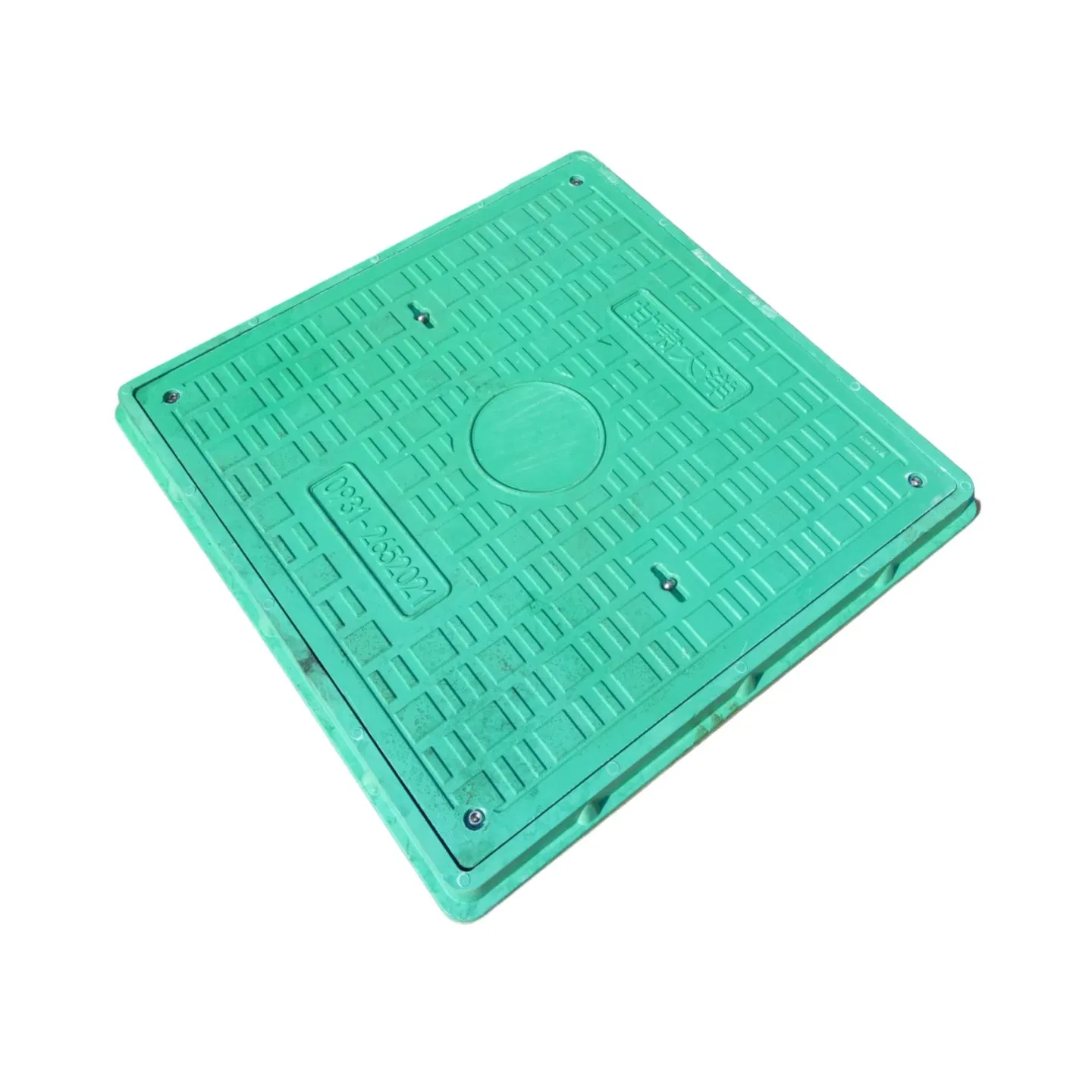
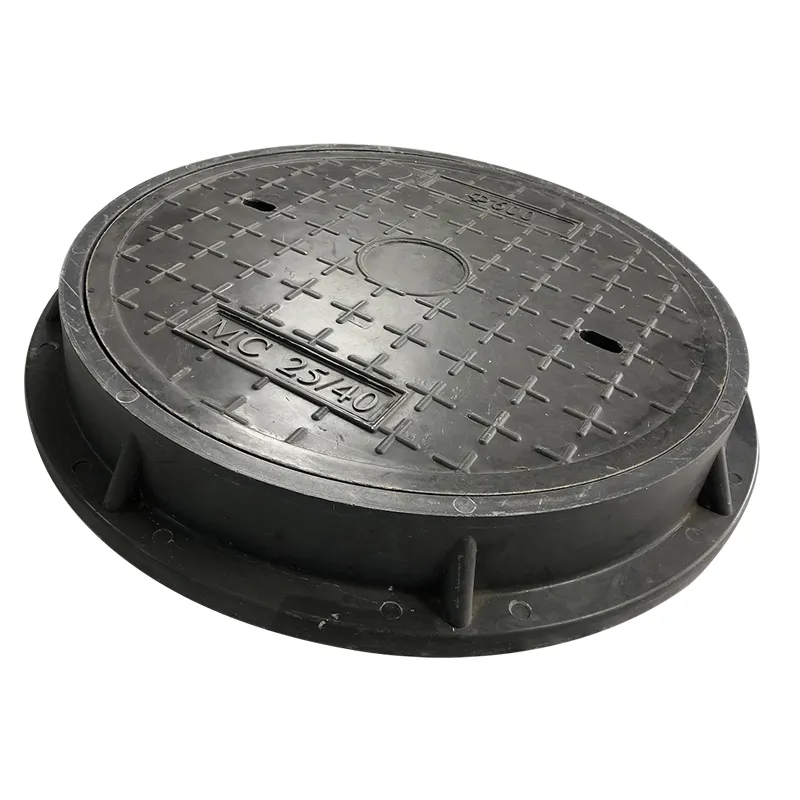
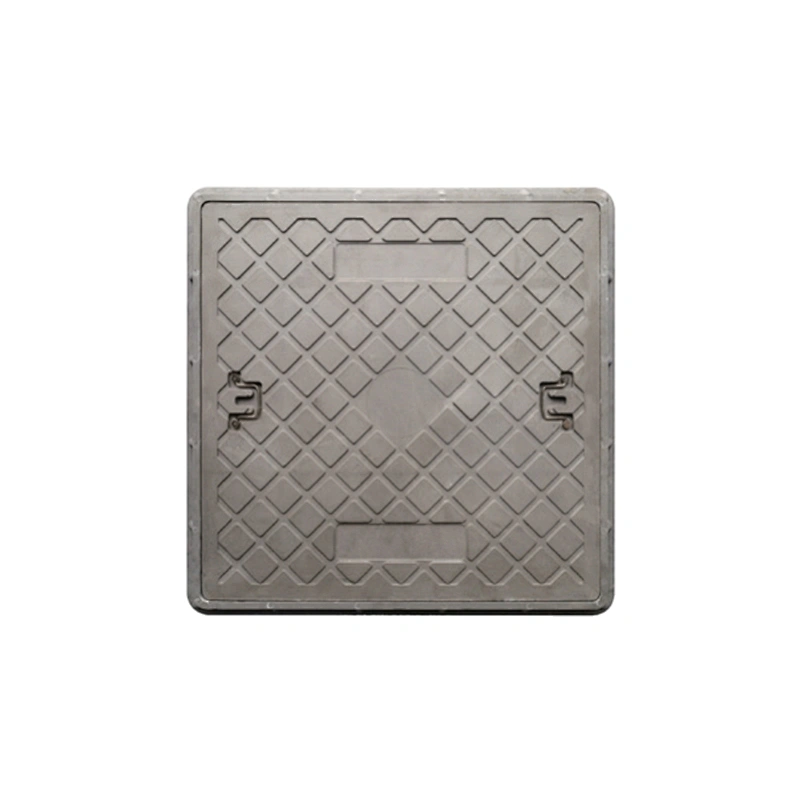
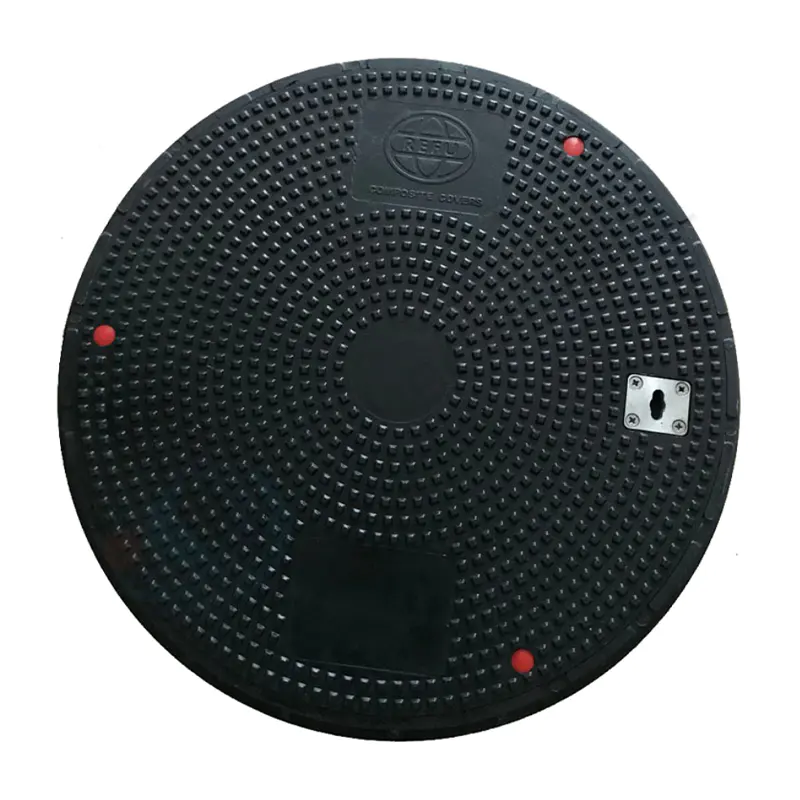
When selecting access covers for infrastructure projects, understanding the SMC manhole cover load rating is essential to ensuring safety, compliance, and long-term performance. Sheet Molding Compound (SMC) has become a popular material choice for manhole covers due to its excellent strength-to-weight ratio, corrosion resistance, and cost-effectiveness. However, choosing the right load rating requires a thorough understanding of the EN124 standard and how it applies to composite materials.
This comprehensive guide explains everything you need to know about SMC manhole cover load ratings, from EN124 classifications to practical selection criteria. Whether you are specifying covers for pedestrian walkways, driveways, or heavy-duty roadways, understanding load ratings will help you make informed decisions that meet international safety standards.
Understanding EN124 — The Global Standard for Manhole Cover Load Ratings
What Is the EN124 Standard?
The EN124 standard, formally known as EN 124:2015 "Gully tops and manhole tops for vehicular and pedestrian areas," is the European specification that defines manhole cover load rating EN124 classifications. This standard establishes six classes — A15, B125, C250, D400, E600, and F900 — each corresponding to a specific maximum load capacity and intended application area. Manufacturers must test their products to these rigorous specifications to certify compliance.
For SMC manhole covers, EN124 certification confirms that the composite manhole cover load rating meets or exceeds the requirements for a given class. This is critical because SMC covers must demonstrate the same structural integrity as traditional cast iron alternatives while offering the benefits of lighter weight and corrosion resistance.
Why EN124 Load Rating Matters for Safety
The primary purpose of EN124 load ratings is to ensure public safety. A manhole cover installed in a roadway that cannot support the weight of passing vehicles poses a serious hazard. The manhole cover load rating EN124 system provides engineers and specifiers with a clear framework to match cover strength with expected traffic loads. Using an incorrectly rated cover can lead to cover failure, vehicle damage, and personal injury. EN124 compliance is not just a technical requirement — it is a safety imperative that protects infrastructure users and operators alike.
SMC Manhole Cover Load Rating Classes — A15 to F900
EN124 Load Rating Table for SMC Manhole Covers
SMC manhole covers are available across multiple EN124 load rating classes, though the most commonly specified ratings for composite materials range from A15 through D400. Below is a detailed breakdown of each class and how SMC manhole covers perform within them:
| Class | Test Load | Typical Application | SMC Suitability |
|---|---|---|---|
| A15 | 15 kN (1.5 tonnes) | Pedestrian areas, cycle paths, gardens | Excellent — lightweight, corrosion-proof |
| B125 | 125 kN (12.5 tonnes) | Footpaths, car parks, residential driveways | Very good — cost-effective alternative to cast iron |
| C250 | 250 kN (25 tonnes) | Parking lots, slow-traffic zones, kerbside areas | Good — adequate for most commercial applications |
| D400 | 400 kN (40 tonnes) | Roadways, highways, loading areas | Ideal — matches cast iron performance at lower weight |
| E600 | 600 kN (60 tonnes) | Industrial zones, ports, heavy truck areas | Available — reinforced SMC construction may be needed |
| F900 | 900 kN (90 tonnes) | Airports, military zones, extreme heavy loads | Limited — typically requires steel-reinforced composite |
D400 SMC Manhole Covers — The Most Popular Choice
The D400 load rating is the most frequently specified class for roadway applications. A D400 rated manhole cover can handle a test load of 400 kN, equivalent to approximately 40 tonnes. This makes it suitable for all standard road traffic, including cars, buses, and trucks. SMC D400 manhole covers have gained widespread adoption because they deliver the same load-bearing capacity as cast iron D400 covers while weighing 60-70% less, making installation faster, safer, and more economical.
For road use, the SMC manhole cover load rating for road use should typically be D400 or higher. SMC covers at this rating undergo rigorous testing to ensure they can withstand repeated traffic loading without cracking, deforming, or losing their seal. The maximum load capacity of composite manhole covers at D400 class makes them a reliable choice for municipal road projects and private developments alike.
How to Choose the Correct SMC Manhole Cover Load Rating
Application-Based Selection Guide
Choosing the correct SMC manhole cover load rating depends primarily on the location and expected traffic. The EN124 standard provides clear guidance on matching load classes to applications. Here is how to select the right rating for common scenarios:
- Pedestrian areas and gardens: A15 (15 kN) is sufficient for foot traffic only. SMC covers at this rating are lightweight and easy to handle.
- Residential driveways: For a driveway manhole cover, B125 (125 kN) is the minimum recommended class. This accommodates passenger vehicles with a safety margin.
- Parking lots and commercial car parks: C250 (250 kN) is appropriate for areas with light vehicle traffic. If you need to choose the right load rating for composite manhole covers in a parking lot, C250 provides adequate strength for standard car and SUV traffic.
- Roadways and highways: D400 (400 kN) is the standard for all public roads. When selecting the SMC manhole cover load rating for road use, always specify D400 or higher.
- Industrial and heavy traffic zones: E600 (600 kN) or F900 (900 kN) for ports, logistics centers, and airports.
Driveway, Parking Lot, and Roadway Considerations
When determining how to choose SMC manhole cover load rating for a specific project, consider these factors beyond the basic EN124 class:
Traffic frequency and speed: A driveway with occasional car traffic differs significantly from a busy roadway with constant heavy truck traffic. For the former, B125 may suffice; for the latter, D400 is mandatory. Composite manhole cover load rating classification should always account for the worst-case load scenario, not just typical usage.
Installation environment: SMC covers perform exceptionally well in corrosive environments such as coastal areas, wastewater treatment plants, and chemical processing facilities. Their composite manhole cover load rating remains stable even in conditions where cast iron would corrode and weaken over time.
Safety certifications: Always verify that the manhole cover load rating according to EN124 has been independently tested and certified. Reputable manufacturers provide test certificates confirming that their SMC covers meet the specified load class requirements.
SMC vs FRP Manhole Cover Load Rating Comparison
Load-Bearing Performance Differences
One of the most common questions from engineers and specifiers is the SMC vs FRP manhole cover load rating comparison. While both SMC (Sheet Molding Compound) and FRP (Fiberglass Reinforced Plastic) are composite materials, they differ in manufacturing process, fiber orientation, and resulting mechanical properties. Both materials, however, can achieve EN124 certification across multiple load classes.
What is the load rating of composite manhole covers? Composite manhole covers — encompassing both SMC and FRP variants — are available in EN124 classes A15 through D400 as standard, with some manufacturers offering E600 and F900 in reinforced configurations. The composite manhole cover load rating classification follows the same EN124 framework as cast iron, meaning a D400 composite cover must withstand the same 400 kN test load as its cast iron counterpart.
Do composite manhole covers meet EN 124 load rating standards? Yes, certified composite manhole covers fully meet EN124 load rating standards. The key difference lies in material properties: SMC offers more consistent fiber distribution and higher impact resistance compared to hand-laid FRP, while FRP can achieve higher ultimate strength in specific directions when engineered for unidirectional loads.
Material Properties and Testing Standards
When comparing the composite vs cast iron manhole cover load rating comparison, SMC and FRP covers offer distinct advantages despite using the same EN124 classification system:
| Property | SMC | FRP | Cast Iron |
|---|---|---|---|
| Weight (D400 class) | ~25-30 kg | ~22-28 kg | ~65-80 kg |
| Corrosion resistance | Excellent | Excellent | Moderate (rusts) |
| Impact resistance | Very high | High | Brittle |
| Load rating range | A15 to F900 | A15 to E600 | A15 to F900 |
| EN124 certification | Yes | Yes | Yes |
| Max load capacity | 900 kN (F900) | 600 kN (E600) | 900 kN (F900) |
The maximum load capacity of composite manhole covers depends on the specific formulation and reinforcement design. SMC covers with additional steel reinforcement can achieve F900 ratings suitable for airport runways. For typical municipal and commercial applications, D400 composite covers offer the best balance of performance, weight savings, and cost.
How SMC Manhole Covers Are Load Tested
Understanding how SMC manhole cover load tested is important for engineers who need to verify product quality and compliance. The testing procedure follows the EN124-2:2015 standard, which specifies the exact method for determining the SMC manhole cover load rating of each product.
The load test is conducted using a hydraulic press that applies a specified force to the center of the manhole cover. The cover is placed on its frame in a test rig that simulates real-world installation conditions. For a D400 rated cover, the test load of 400 kN is applied incrementally and held for a minimum of 30 seconds. The cover must show no permanent deformation exceeding 5% of the clear opening, no cracks, and no structural failure.
SMC manhole covers undergo additional quality control tests beyond the standard EN124 load test:
- Fatigue testing: Repeated load cycling to simulate years of traffic wear
- Impact testing: Dropped weight tests to verify resistance to sudden loads
- Environmental conditioning: Temperature cycling and UV exposure to ensure load rating stability over time
- Slip resistance testing: Verifying surface friction meets safety standards for pedestrian and vehicle traffic
Only after passing all these tests can an SMC manhole cover claim a certified manhole cover load rating EN124 classification. Reputable manufacturers provide detailed test reports with each product batch, allowing specifiers to verify composite manhole cover load rating compliance before installation.
Conclusion
Selecting the correct SMC manhole cover load rating is a critical decision that impacts infrastructure safety, longevity, and budget. The EN124 standard provides a clear framework — from A15 for pedestrian areas to F900 for heavy industrial zones — and SMC manhole covers can meet every class within this spectrum.
The key advantages of SMC manhole covers in the context of load ratings are clear: they deliver EN124-certified strength equivalent to cast iron at a fraction of the weight, they resist corrosion and environmental degradation, and their composite manhole cover load rating classification is backed by rigorous independent testing. Whether you need D400 SMC covers for roadway projects or B125 for residential driveways, SMC offers a reliable, cost-effective solution.
When specifying manhole covers for your next project, consult the EN124 load rating table, assess the expected traffic conditions, and choose SMC covers that carry certified test documentation. For expert guidance on selecting the right SMC manhole cover load rating for your application, contact our engineering team.