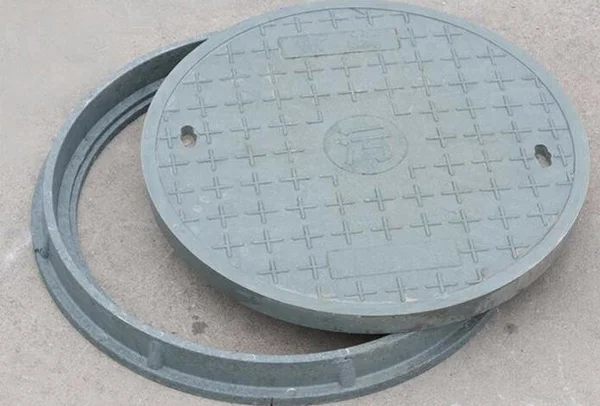
What Is a Composite Drainage Manhole Cover?
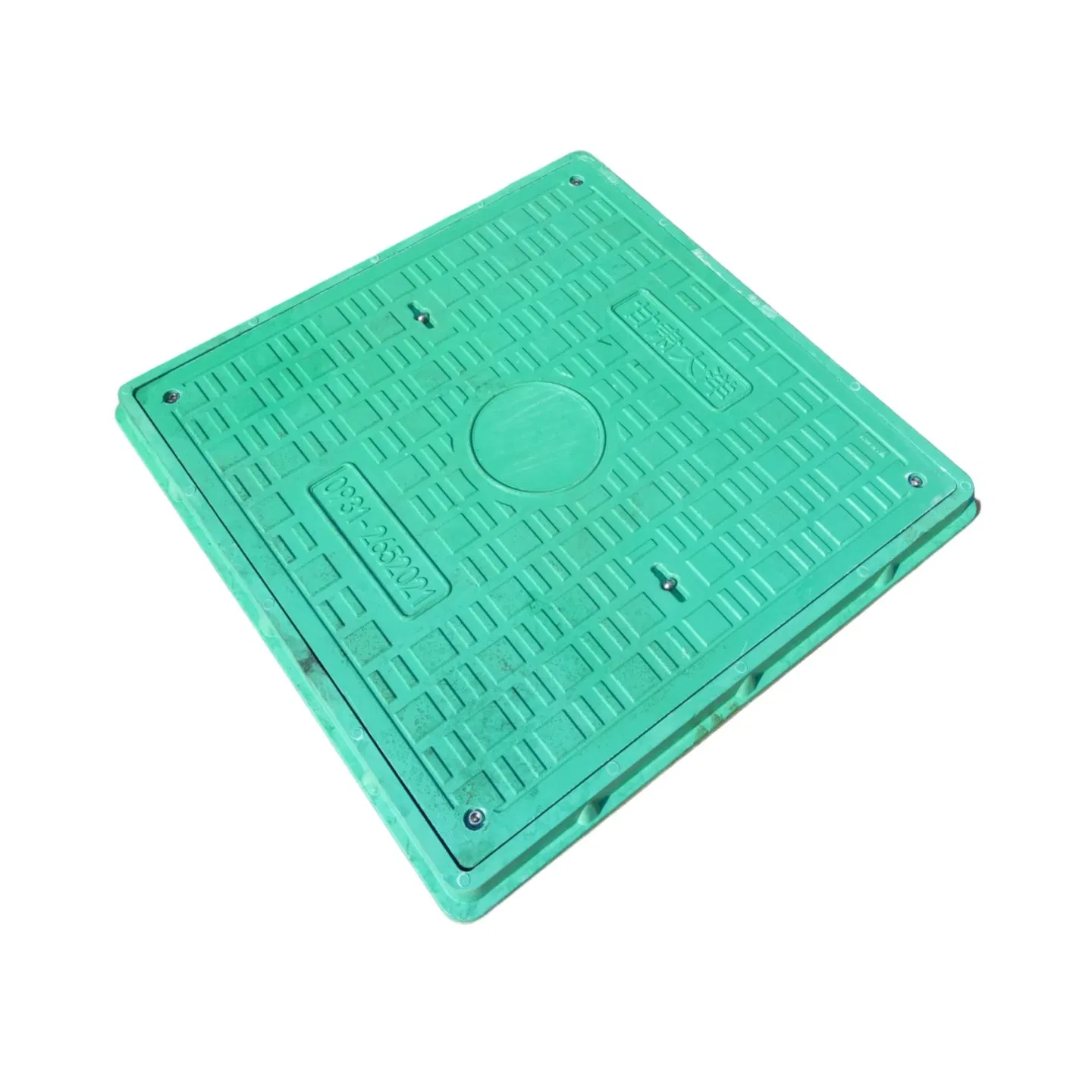
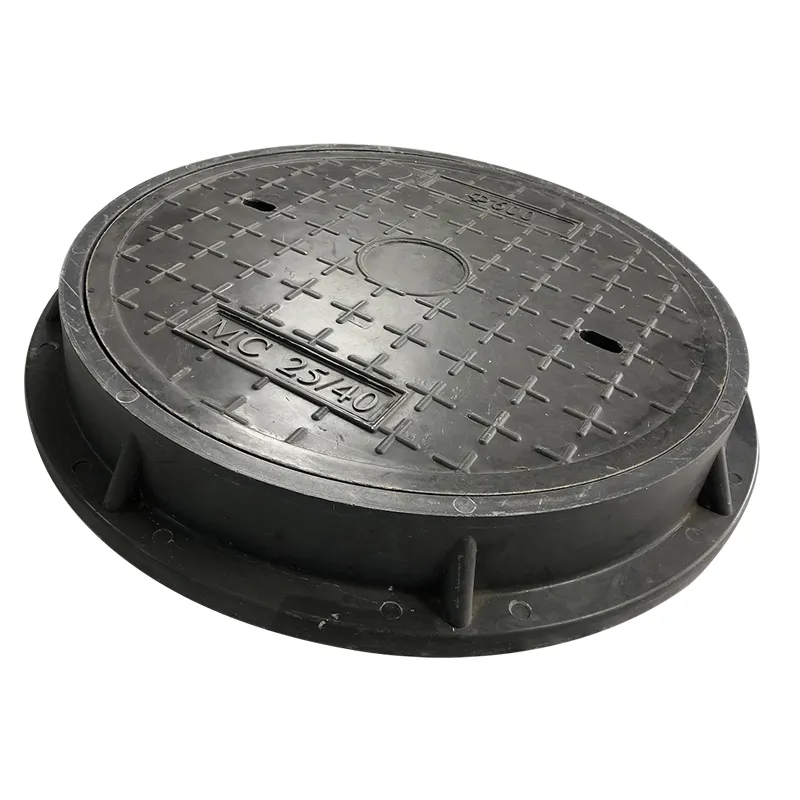
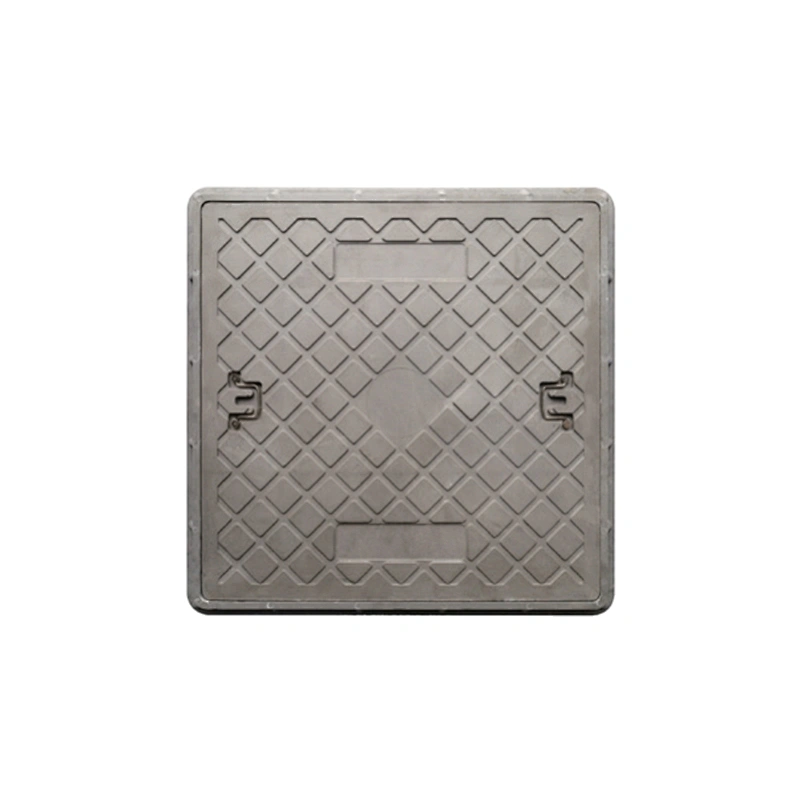
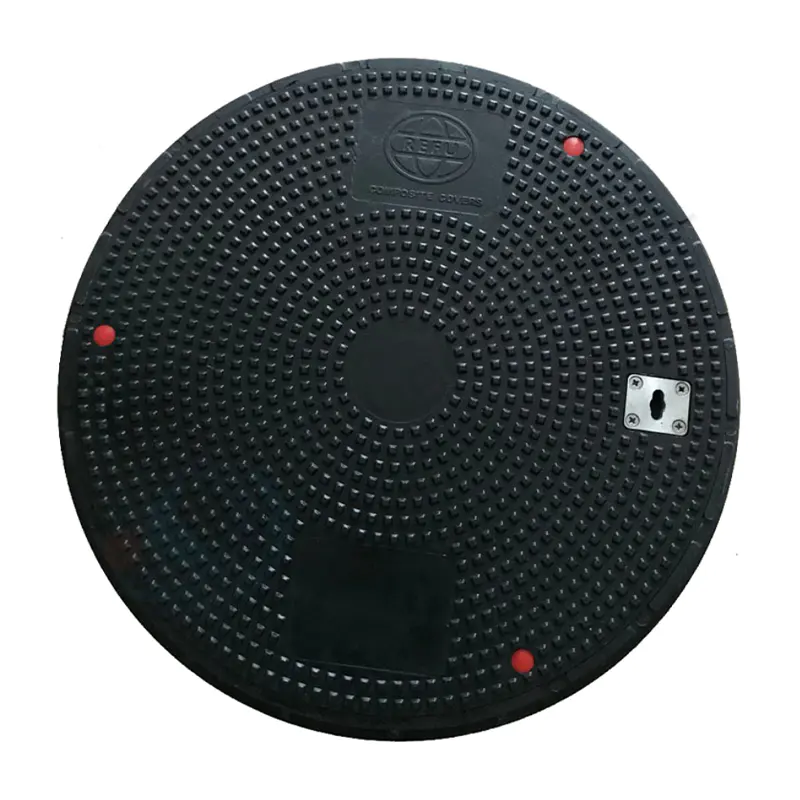
A drainage manhole cover composite is a specialized access cover designed for drainage and sewerage systems, manufactured from fiber-reinforced polymer (FRP) or sheet molding compound (SMC) materials rather than traditional cast iron or concrete. These covers provide secure, load-bearing access points to drainage channels, stormwater systems, wastewater networks, and underground utility chambers while offering significant advantages over conventional materials in corrosive and high-moisture environments.
This comprehensive guide to the drainage manhole cover composite explains everything engineers, contractors, and procurement professionals need to know: load ratings, sizes, installation procedures, and how composite compares to traditional cast iron in drainage environments. Composite drainage manhole covers have become the preferred choice for civil engineers and municipal authorities worldwide because they combine high structural strength with light weight and exceptional corrosion resistance.
Definition and Material Composition
Definition and Material Composition
A composite drainage manhole cover is manufactured using a combination of thermosetting resins (such as polyester or vinylester) reinforced with glass fibers. The material is compression-molded under high pressure using the SMC process, resulting in a dense, uniform structure with exceptional mechanical properties. The composite formulation typically includes:
- Glass fiber reinforcement (20–30%) — provides tensile strength and impact resistance
- Polyester or vinylester resin (50–60%) — binds the fibers and provides chemical resistance
- Mineral fillers (10–20%) — enhance compressive strength and reduce cost
- UV stabilizers and pigments — protect against sunlight degradation and provide consistent coloration throughout the cover
Unlike metal covers that rely on thickness for strength, composite covers achieve their load-bearing capacity through advanced material engineering. The result is a product that can support traffic loads while weighing 60–75% less than an equivalent cast iron cover.
Suitability for Drainage Systems
Suitability for Drainage Systems
Yes — composite manhole covers are exceptionally well suited for drainage systems. In fact, they outperform traditional materials in several key areas critical to drainage infrastructure:
- Water and moisture resistance: Composite materials do not absorb water, rust, or corrode when exposed to constant moisture, standing water, or high humidity
- Chemical resistance: Drainage systems often carry aggressive chemicals, industrial runoff, or saline water. Composite covers resist attack from acids, alkalis, chlorides, and sulfates that rapidly degrade metal covers
- Freeze-thaw durability: Unlike concrete covers that spall and crack in freeze-thaw cycles, composite covers maintain their integrity through temperature extremes
- Non-conductive: Composite covers provide electrical insulation, a critical safety feature in drainage infrastructure near power cables or sensitive equipment
- Lightweight handling: A typical composite drain cover weighs 15–25 kg compared to 50–80 kg for cast iron, making installation safer and faster
These characteristics make the composite drainage manhole cover the ideal solution for stormwater drainage, wastewater treatment plants, industrial drainage channels, and coastal infrastructure where saltwater exposure is a concern.
What Does D400 Mean for Composite Drainage Covers?
D400 is a load classification defined by the European standard EN 124, which specifies the load-bearing requirements for manhole covers and drainage gratings used in vehicular and pedestrian areas. For composite drainage covers, D400 certification means the cover has been tested and verified to withstand a minimum load of 400 kN (approximately 40 metric tons) without failure.
Understanding what D400 means is essential for specifiers and contractors who need to ensure their composite drainage manhole cover D400 products meet the required safety standards for their specific application. The D400 rating is the most commonly specified classification for road and highway drainage applications across Europe, Asia, and the Middle East.
Understanding EN124 Load Classifications
Understanding EN124 Load Classifications
The EN 124 standard classifies manhole covers and drainage gratings into six load classes based on the maximum static load they can safely support:
| Class | Load (kN) | Typical Application |
|---|---|---|
| A15 | 15 kN | Pedestrian areas, cycle paths, gardens |
| B125 | 125 kN | Sidewalks, car parks, driveways |
| C250 | 250 kN | Road shoulders, slow-moving traffic areas |
| D400 | 400 kN | Roadways, highways, hard shoulders (all vehicles) |
| E600 | 600 kN | Industrial areas, ports, heavy truck traffic |
| F900 | 900 kN | Airport runways, military zones, exceptional loads |
D400 is the minimum load class required for covers installed in carriageways and highways where all types of road vehicles — including trucks, buses, and emergency vehicles — travel at normal speeds. A heavy duty composite drainage manhole cover rated D400 has been subjected to rigorous testing including load application, fatigue cycling, and permanent deformation measurement to verify compliance.
D400 Specifications for Composite Drainage Manhole Covers
D400 Specifications for Composite Drainage Manhole Covers
When specifying a D400 composite drainage manhole cover for drainage applications, the following technical specifications must be verified:
- Load capacity: Minimum 400 kN (40 tons) static load per EN 124 standards
- Safety factor: Typically 1.5× the rated load without structural failure
- Deflection limit: Maximum permanent deformation ≤ 1 mm after load testing per EN 124
- Material thickness: Minimum 6–10 mm at the thinnest structural cross-section in composite covers
- Skid resistance: Surface friction coefficient ≥ 0.45 (wet) to prevent vehicle slipping
- Sealing: Rubber gasket or integrated seal to prevent water and debris ingress
- Fire rating: Class B or better per EN 13501 for drainage applications in public areas
D400 composite covers for drainage are available in standard sizes including 600×600 mm, 750×750 mm, and 900×900 mm, with custom dimensions available from most manufacturers. The D400 composite drainage cover for road drainage typically includes a recessed seal groove to accommodate a rubber gasket that prevents groundwater infiltration and surface water entry.
Drainage Manhole Cover Composite Sizes and Dimensions
Selecting the right drainage manhole cover composite size is a critical aspect of any drainage infrastructure project. Composite drainage manhole covers are manufactured in a wide range of standard sizes and can be custom-manufactured to fit non-standard openings. The correct size ensures proper load distribution, secure fitment, and long-term performance in the drainage environment.
Standard Sizes and Common Dimensions
Standard Sizes and Common Dimensions
When selecting a composite drainage manhole cover size, it is important to understand the standard dimensions available. Composite drainage manhole covers are available in the following standard dimensions to match common drainage chamber openings:
| Size (mm) | Clear Opening (mm) | Typical Application | D400 Available? |
|---|---|---|---|
| 600 × 600 | 550 × 550 | Sidewalks, light traffic roads | Yes |
| 600 × 750 | 550 × 700 | Road drainage channels | Yes |
| 750 × 750 | 700 × 700 | Highway drainage chambers | Yes |
| 600 × 900 | 550 × 850 | Roadside drainage runs | Yes |
| 900 × 900 | 840 × 840 | Major road junctions, industrial areas | Yes |
| Φ600 (Round) | Φ550 | Stormwater drainage pits | Yes |
| Φ750 (Round) | Φ700 | Main road drainage manholes | Yes |
The composite drainage manhole cover 600x600 size is the most widely specified dimension for standard road drainage applications. This size accommodates most drainage chamber openings while providing adequate support for D400 traffic loads. For larger chambers, the 750×750 mm and 900×900 mm sizes are common choices for highway and main road installations where greater access is required. Every composite drainage manhole cover size option should be verified against the frame manufacturer's specifications.
How to Choose the Right Size for Your Project
How to Choose the Right Size for Your Project
Selecting the correct composite drainage manhole cover size for your drainage project requires consideration of several factors:
- Measure the clear opening: The cover must be sized to fit the frame and chamber opening with the appropriate overlap (typically 25–50 mm per side)
- Determine the traffic class: D400 rated covers are required for road applications; lower ratings may suffice for pedestrian or light vehicle zones
- Consider access requirements: Larger covers provide better access for maintenance personnel and equipment
- Check frame compatibility: The cover must match the frame profile — wedge-lock, bolt-down, or recessed designs all have different fitting dimensions
- Account for thermal expansion: Composite materials expand less than metals, but allow 2–3 mm clearance around the cover perimeter for proper seating
When selecting a composite drainage manhole cover for road applications, always verify that the chosen size is available with the D400 load rating and that the cover includes the appropriate sealing system for your drainage environment. Most manufacturers provide size specification sheets that detail exact dimensions and tolerances for each product.
Composite vs. Cast Iron Drainage Manhole Covers
When choosing between composite and cast iron drainage manhole covers, engineers and procurement professionals must evaluate several factors including weight, corrosion resistance, lifecycle cost, and installation requirements. Both materials have distinct advantages, but composite materials have emerged as the superior choice for most drainage applications due to their unique combination of properties.
Cast iron has been the traditional material for manhole covers for centuries, offering high compressive strength and a proven track record. However, in drainage environments — where moisture, chemicals, and temperature fluctuations are constant — composite materials offer compelling advantages that translate to lower total cost of ownership and better long-term performance.
Weight, Handling, and Installation Comparison
Weight, Handling, and Installation Comparison
| Property | Composite | Cast Iron |
|---|---|---|
| Weight (600×600 mm) | 15–20 kg | 55–80 kg |
| Installation labor | 1 person | 2–3 persons or lifting equipment |
| Installation time | 10–15 minutes | 25–40 minutes |
| Transport cost (per 100 covers) | ~1.5 tons | ~6–8 tons |
| On-site injury risk | Low | High (back injuries, dropped covers) |
The significant weight difference between composite and cast iron covers has practical implications. Installation teams can handle heavy duty composite drainage manhole cover products without mechanical lifting equipment, reducing installation costs and improving site safety. A single worker can carry, position, and seat a composite cover, whereas cast iron covers typically require multiple workers or a hoist.
Corrosion Resistance in Chemical and Saltwater Environments
Corrosion Resistance in Chemical and Saltwater Environments
Perhaps the most significant advantage of composite drainage manhole covers over metal alternatives is their exceptional corrosion resistance. Drainage systems are inherently corrosive environments due to:
- Hydrogen sulfide (H₂S) gas: Produced by bacterial activity in wastewater, H₂S converts to sulfuric acid in moist conditions, rapidly attacking ferrous metals
- Chlorides and de-icing salts: Road drainage collects salt-laden runoff that accelerates cast iron corrosion by 3–5× compared to normal exposure
- Industrial chemicals: Drainage networks in industrial zones carry acids, alkalis, and organic solvents that dissolve protective oxide layers on metal
- Seawater and brackish water: Coastal drainage systems face constant exposure to chlorides that cause severe pitting corrosion in cast iron within 2–3 years
Composite materials are inherently inert to these corrosive agents. The vinylester or polyester resin matrix forms a chemical barrier that prevents moisture and aggressive compounds from reaching the glass fiber reinforcement. In saltwater environments, composite covers have demonstrated service lives exceeding 20 years with no measurable material degradation, compared to 5–8 years typical for cast iron in the same conditions. This makes the composite drainage manhole cover the preferred choice for coastal infrastructure, wastewater treatment plants, and chemical processing facilities.
How to Install a Composite Drainage Manhole Cover
Proper installation of a composite drainage manhole cover is essential for ensuring long-term performance, load-bearing integrity, and safety. Unlike cast iron covers that rely on their mass to stay in place, composite covers use precision-fit frame systems and locking mechanisms that require correct installation procedures. Follow this guide to install composite drainage manhole cover products correctly on your site.
Tools Required for Installation
Tools Required for Installation
Installing a composite drainage manhole cover requires minimal tools compared to cast iron alternatives. The following tools and materials are typically needed:
- Mortar or bedding compound: Non-shrink grout or polymer-modified cement mortar for frame bedding
- Spirit level (600 mm or longer): To ensure the frame is perfectly level in both axes
- Rubber mallet: For seating the frame without damaging the composite material
- Measuring tape: To verify frame position and alignment
- Trowel: For applying and finishing the mortar bed
- Lifting handle or suction lifter: For positioning the cover (optional for larger sizes)
- Torque wrench: If the cover uses bolted or bolt-down locking mechanisms
- Sealant or gasket: Pre-installed or field-applied sealing material for the cover-frame interface
No heavy machinery, welding equipment, or specialized lifting gear is required for standard installations, making composite covers particularly advantageous for fast-track projects and sites with limited access.
Step-by-Step Installation Guide
Step-by-Step Installation Guide
To properly install composite drainage manhole cover products, follow this step-by-step procedure:
- Prepare the chamber opening: Clean the drainage chamber rim thoroughly, removing any debris, loose concrete, or protruding reinforcement. The surface must be sound, clean, and damp (but not saturated) before applying bedding mortar.
- Apply the mortar bed: Mix non-shrink grout or polymer-modified mortar according to manufacturer instructions. Apply a uniform 20–30 mm thick bed of mortar around the entire perimeter of the chamber opening.
- Position the frame: Lower the composite frame onto the mortar bed. Use a rubber mallet to gently tap the frame into position. Check levelness with a spirit level in both directions — the frame must be perfectly horizontal.
- Align to final grade: Adjust the frame height so the top surface sits 2–5 mm above the finished pavement grade (to account for compaction settlement). Verify alignment with adjacent surfaces.
- Allow mortar to cure: Let the bedding mortar cure for a minimum of 24 hours (or per manufacturer specification) before setting the cover. Protect the installation from rain and traffic during curing.
- Install the cover: After curing, clean the frame seating surface. Position the composite drainage manhole cover into the frame, ensuring the seal gasket seats properly. Engage any locking mechanism (wedge-lock, bolt-down, or key-operated lock).
- Final inspection: Check that the cover sits flush (±2 mm) with the finished surface. Verify that the locking mechanism engages securely and that there is no visible rocking or movement when pressure is applied to the cover edge. Knowing how to install composite drainage manhole cover correctly ensures the cover performs at its rated load capacity for years.
Following these composite drainage manhole cover installation instructions ensures the cover performs at its rated load capacity, maintains its seal against water ingress, and provides safe, long-lasting service. For detailed torque specifications and curing times, always refer to the manufacturer's composite drainage manhole cover installation instructions PDF supplied with the product.
Composite Drainage Manhole Covers for Road Applications
Composite drainage manhole covers for road applications represent one of the fastest-growing segments in the civil engineering infrastructure market. Road drainage systems require covers that can withstand heavy traffic loads, resist corrosion from de-icing salts and road chemicals, and provide safe access for maintenance — all at a competitive lifecycle cost. Composite materials deliver on all these requirements, making them the preferred choice for road authorities, highway engineers, and drainage contractors worldwide.
Highways, Main Roads, and Heavy Traffic Areas
Highways, Main Roads, and Heavy Traffic Areas
For highway and main road drainage applications, the composite drainage manhole cover for road must meet the D400 load classification per EN 124 standards. A composite drainage manhole cover for road applications is specifically engineered for:
- High-speed roadways: Covers installed in the carriageway must withstand dynamic loading from vehicles traveling at highway speeds, including impact loads and lateral forces from braking and turning
- Bridge drainage systems: Lightweight composite covers reduce dead load on bridge structures while providing full D400 load capacity
- Tunnel drainage: Non-sparking and corrosion-resistant composite covers are ideal for tunnel environments where safety and durability are paramount
- Urban road networks: Composite covers eliminate the theft problem common with cast iron in urban areas — composite has no scrap value
- Roundabouts and intersections: These high-stress locations require D400 rated covers that can handle repeated turning and braking loads
The road composite drainage manhole cover load rating of D400 (40 metric tons) provides a substantial safety margin for all legal road vehicles. For industrial access roads and ports, E600-rated composite covers are also available.
Where to Buy Composite Drainage Manhole Covers
Where to Buy Composite Drainage Manhole Covers
When sourcing composite drainage manhole covers for sale, buyers should evaluate suppliers based on several criteria to ensure product quality and compliance:
- EN 124 certification: Verify that the manufacturer provides third-party test certificates confirming D400 load rating compliance
- Material quality: Look for SMC compression-molded products with documented material properties (tensile strength, flexural modulus, water absorption)
- Range of sizes: The supplier should offer standard sizes (600×600, 750×750, 900×900) and custom manufacturing capabilities
- Warranty: Reputable manufacturers offer 5–10 year warranties on composite covers against manufacturing defects and material degradation
- Sample testing: Request samples for load testing verification before bulk procurement
We supply a complete range of best heavy duty composite drainage manhole cover products with D400 certification, available in all standard sizes with custom options. Contact our team for pricing, technical specifications, and composite drainage manhole cover D400 for sale inquiries. Visit our products page to view our full range of composite drainage manhole covers and request a quote.
Conclusion
The drainage manhole cover composite represents the modern standard for drainage infrastructure access solutions. With D400 load ratings that meet international highway requirements, exceptional corrosion resistance that outperforms cast iron in aggressive environments, and lightweight construction that simplifies installation and reduces costs, the drainage manhole cover composite is the clear choice for engineers and contractors building tomorrow's drainage infrastructure.
Whether you are specifying covers for a highway drainage project, a coastal wastewater system, or an industrial drainage network, composite materials offer proven performance, long service life, and excellent value. The combination of high strength, corrosion resistance, and light weight makes composite covers the optimal solution for virtually any drainage application.
For more information about our range of composite drainage manhole covers — including D400 composite drainage manhole cover specifications, size availability, and pricing — please contact our team or explore our product catalog.