Introduction
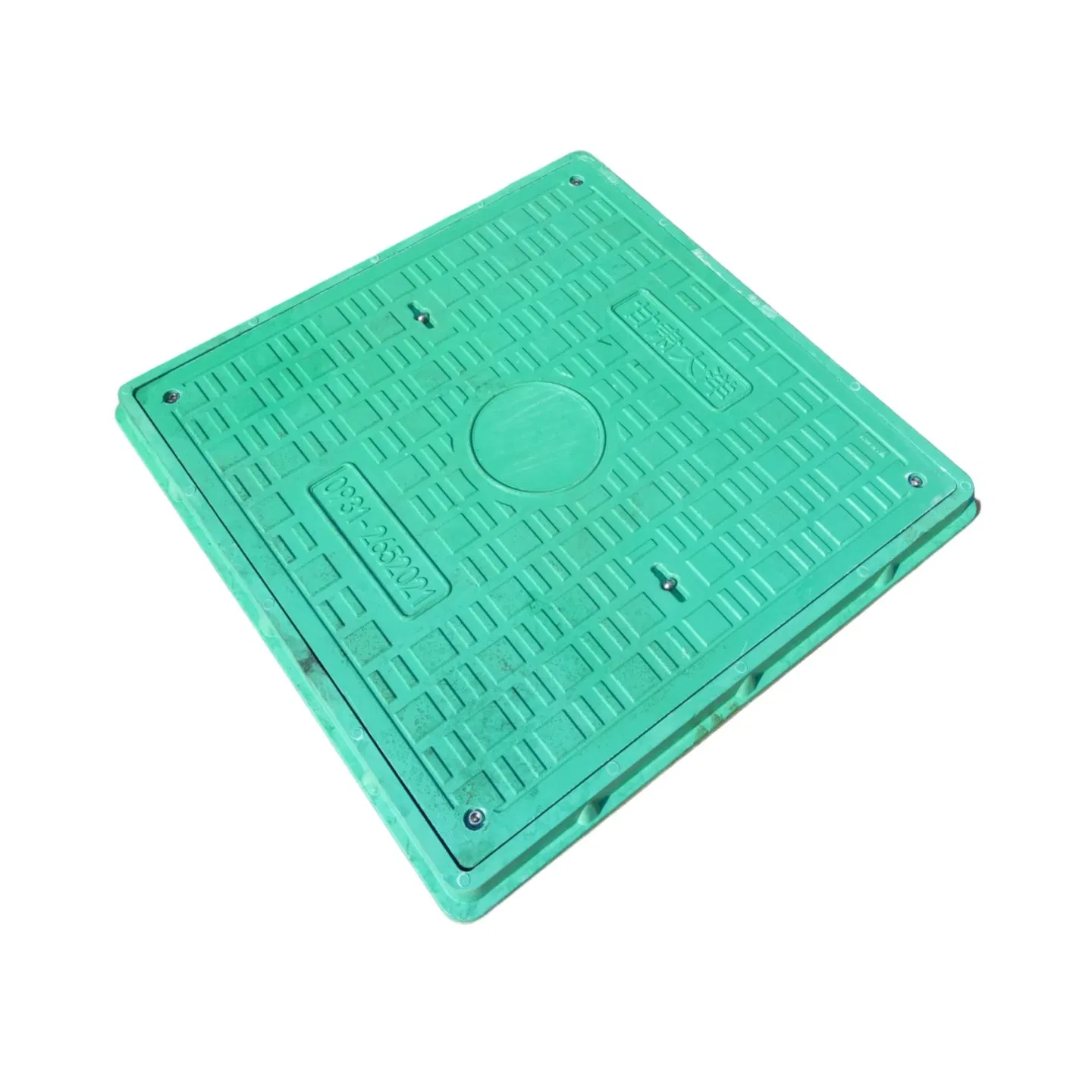
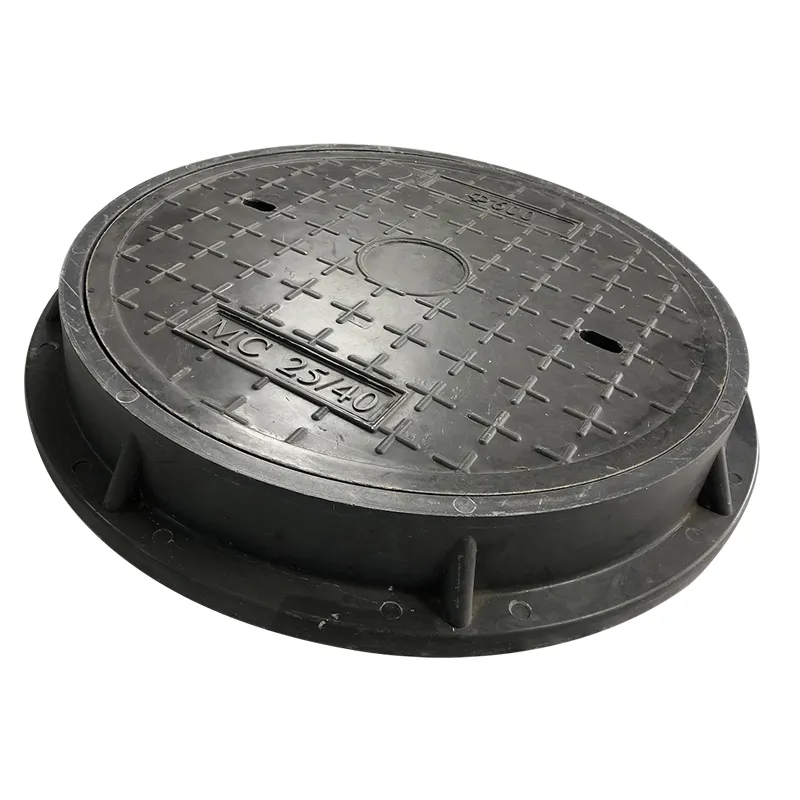
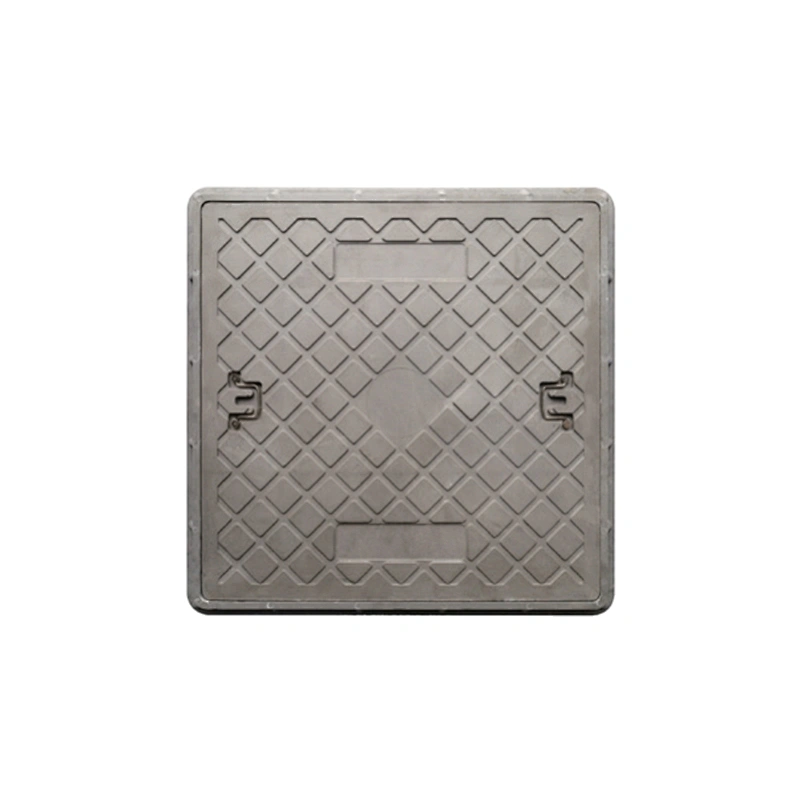
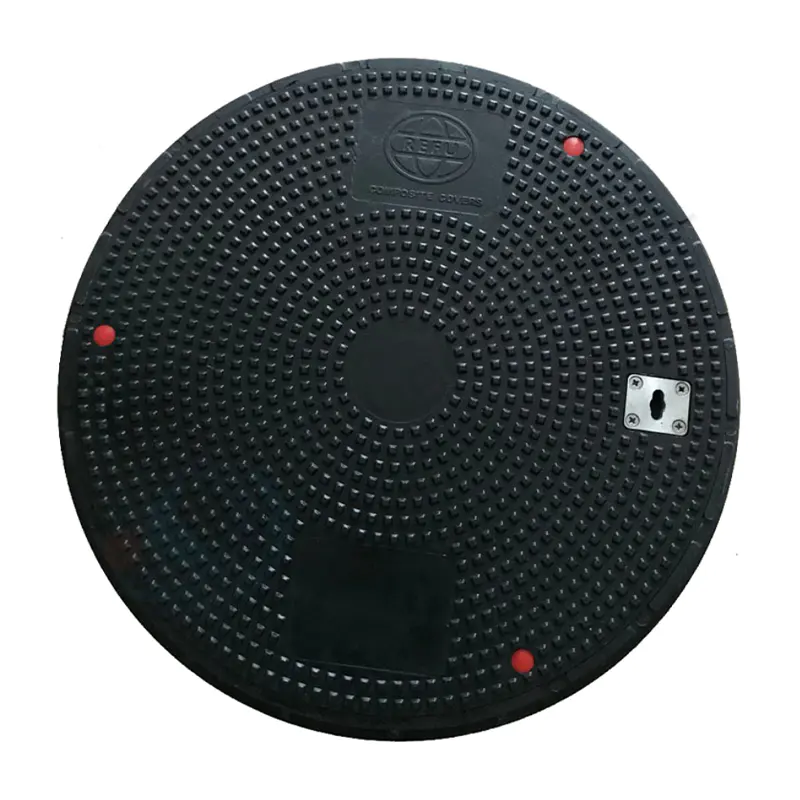
Choosing the correct GRP access cover load rating is one of the most critical decisions when specifying access covers for any construction or infrastructure project. Whether you are working on a pedestrian walkway, a roadway, a drainage system, or a heavy-duty highway application, selecting the right load class ensures safety, compliance, and long-term performance. GRP (Glass Reinforced Plastic) access covers offer a compelling combination of high strength, lightweight handling, and corrosion resistance — but understanding how their load ratings map to the European EN124 standard is essential for proper specification.
This comprehensive guide covers everything you need to know about EN124 load classifications for GRP covers, from A15 through F900, along with practical advice on sizing, installation, and application-specific selection. We will compare GRP against cast iron and composite alternatives, answer common questions about heavy-duty and drainage applications, and provide actionable steps to determine the right load rating for your project.
Whether you are a civil engineer, a facilities manager, or a contractor, this article will help you navigate the load rating landscape with confidence and ensure your GRP access cover choice meets both safety standards and budget requirements.
Understanding GRP Access Cover Load Ratings — The EN124 Standard
What Is EN124 and Why Does It Matter?
EN124 is the European standard that governs the load ratings of access covers and manhole tops used in pedestrian and vehicular areas. Formally titled "Gully tops and manhole tops for vehicular and pedestrian areas — Design requirements, type testing, marking, quality control," this standard defines six load classes ranging from A15 (light pedestrian use) to F900 (extreme load applications such as airport runways).
When manufacturers claim a GRP access cover load rating of D400, for example, it means the cover has passed type testing that certifies it can withstand a load of 400 kN (approximately 40 tonnes) without failure. This standardized classification allows engineers and specifiers to directly compare products from different manufacturers on an equal footing.
EN124 compliance is not optional for most applications — it is a legal requirement across Europe and many other regions that have adopted the standard. Specifying a non-compliant cover risks structural failure, legal liability, and safety hazards. For GRP access covers specifically, EN124 certification confirms that the composite material and structural design meet the rigorous mechanical and durability requirements for the designated load class.
EN124 Load Rating Classes: A15 to F900
The EN124 standard defines six load classes, each suited to specific installation environments. The following table summarizes the classes most commonly specified for GRP access covers by load class:
| Class | Test Load | Typical Application | Suitable for GRP? |
|---|---|---|---|
| A15 | 15 kN (1.5 tonnes) | Pedestrian areas, gardens, cycle paths | Yes — most common lightweight GRP covers |
| B125 | 125 kN (12.5 tonnes) | Footways, pedestrian zones with occasional vehicle access | Yes — medium-duty GRP covers |
| C250 | 250 kN (25 tonnes) | Kerbsides, slow traffic areas, car parks | Yes — reinforced GRP covers |
| D400 | 400 kN (40 tonnes) | Roadways, carriageways, highways | Yes — heavy duty GRP access cover |
| E600 | 600 kN (60 tonnes) | Industrial zones, loading docks, ports | Yes — with advanced GRP reinforcement |
| F900 | 900 kN (90 tonnes) | Airport runways, military installations | Limited — typically cast iron preferred |
GRP access covers are most commonly specified in classes A15 through D400. For classes E600 and above, manufacturers often recommend ductile iron or specialized composite designs, though advanced GRP formulations can achieve these ratings with thicker walls and additional reinforcement.
GRP Access Cover Load Rating A15 vs D400 — Which Do You Need?
One of the most common questions when selecting a GRP access cover load rating is whether to choose A15 or D400 — or one of the intermediate classes. The answer depends entirely on the traffic type and frequency the cover will experience.
A15 for Pedestrian Areas
A15-rated covers are designed for areas used exclusively by pedestrians and cyclists. With a test load of 15 kN (approximately 1.5 tonnes), these covers are perfectly adequate for footpaths, gardens, parks, cycle paths, and similar pedestrian-only zones. A15 is the minimum load class for pedestrian walkways, and most standard lightweight GRP access covers carry this classification.
GRP access cover sizes for A15 applications typically range from 300×300 mm up to 600×600 mm for pedestrian use. GRP is particularly well-suited to A15 applications because the material's light weight makes installation fast and cost-effective, while its corrosion resistance ensures decades of maintenance-free service in outdoor environments.
C250 for Kerbsides and Slow Traffic
C250-rated covers must withstand 250 kN (25 tonnes) and are intended for areas with slow-moving vehicular traffic. Typical applications include kerbside gutters, car parks, service roads, and pedestrian zones where emergency vehicles occasionally need access. If the cover needs to handle a delivery truck or garbage collection vehicle moving at slow speed, C250 is usually the appropriate choice.
GRP performs excellently in C250 applications. The material's inherent flexibility under load helps distribute stress evenly, reducing the risk of cracking under repeated slow-speed traffic — an advantage over cast iron, which can be more brittle under cyclic loading.
D400 for Roadways and Carriageways
D400 covers are subjected to a test load of 400 kN (40 tonnes) and are designed for roadways, carriageways, and highways where vehicles travel at normal speeds. This is the standard EN124 rating for road use and represents the most commonly specified heavy-duty class for GRP access covers.
A heavy duty GRP access cover rated D400 typically features a thicker structural design, additional rib reinforcement, and a non-slip surface finish to ensure vehicle tire grip. Despite its high strength, a D400-rated GRP cover can weigh as little as 30–50% of an equivalent cast iron or ductile iron cover, making installation safer and more economical. For road use applications, the load rating must also be accompanied by proper frame embedding and surround concrete to ensure the complete assembly performs as intended.
Heavy Duty GRP Access Cover — Load Ratings and Applications
What Load Rating Does a Heavy Duty GRP Access Cover Have?
A heavy duty GRP access cover is typically classified under EN124 classes C250 (250 kN), D400 (400 kN), or E600 (600 kN). The term "heavy duty" in the context of GRP access covers generally refers to covers rated C250 and above, which are capable of supporting vehicular traffic. The exact GRP access cover load rating required depends on the specific traffic conditions at the installation site.
For standard road applications including urban streets and residential roads, D400 is the most common heavy duty rating specified. For industrial areas, loading bays, and ports where forklifts and heavy trucks operate, E600-rated heavy duty GRP access covers are often required. These covers undergo rigorous type testing that includes both static load and fatigue testing to ensure long-term reliability under repeated traffic exposure.
The cost of a heavy duty GRP access cover varies by load class. A D400-rated cover typically costs more than a C250-rated cover due to the additional material and reinforcement required. However, even at higher load ratings, GRP remains significantly more cost-effective than equivalent cast iron covers when total lifecycle costs — including installation labor, transportation, and maintenance — are considered.
Heavy Duty vs Lightweight — Which Should You Choose?
The decision between heavy duty and lightweight covers comes down to three factors: traffic type, installation environment, and budget.
- Lightweight (A15–B125): Choose these for pedestrian-only areas, gardens, cycle paths, and light service access. They are the most affordable, easiest to install, and require minimal structural support. They are not suitable for any vehicular traffic.
- Medium duty (C250): Suitable for kerbsides, car parks, and slow-traffic zones. A good middle-ground option when occasional vehicle access is needed but full road-load rating is unnecessary.
- Heavy duty (D400 and above): Essential for roadways, highways, loading docks, and any area with regular vehicular traffic. D400 is the minimum requirement for public roads in most jurisdictions. If you are installing a GRP access cover for drainage in a roadway, D400 is almost certainly required.
When deciding between heavy duty and lightweight, consider future use. It may be tempting to specify a lower load rating to save money, but if site conditions change or vehicle access patterns evolve, replacing an under-specified cover is far more expensive than specifying the correct rating upfront. We recommend always choosing a load class one rating above your minimum calculated requirement to provide a safety margin.
GRP Access Cover Sizes and How to Choose
Standard GRP Access Cover Sizes
GRP access cover sizes are available in a wide range of standard dimensions to suit common access pit and chamber openings. The most frequently specified sizes include:
| Nominal Size | Clear Opening | Common Applications | Typical Load Ratings Available |
|---|---|---|---|
| 300 × 300 mm | 250 × 250 mm | Small inspection chambers, cable pits | A15, B125 |
| 450 × 450 mm | 400 × 400 mm | Drainage access, meter boxes | A15, B125, C250 |
| 600 × 600 mm | 550 × 550 mm | Standard pedestrian walkways, drainage pits | A15, B125, C250, D400 |
| 750 × 750 mm | 680 × 680 mm | Roadway access, heavy-duty drainage | C250, D400 |
| 900 × 600 mm | 830 × 530 mm | Trench covers, linear drainage | C250, D400 |
| 1200 × 600 mm | 1100 × 530 mm | Long trench covers, utility access | D400, E600 |
For a GRP access cover for drainage applications, the 600 × 600 mm size with D400 rating is the most commonly specified combination, offering a good balance of access space and structural capacity. The standard GRP access cover size for pedestrian walkways is typically 600 × 600 mm with an A15 or B125 rating.
How to Size a GRP Access Cover for Your Project
To choose the right size and load class for your GRP access cover, follow these steps:
- Measure the clear opening: Measure the exact dimensions of the chamber or pit opening where the cover will sit. The cover frame size must match or slightly exceed the opening dimensions.
- Determine the load requirement: Classify the traffic type (pedestrian only, occasional vehicle, regular traffic, heavy truck) and select the EN124 class accordingly. Use the table in Section 2 above as a reference.
- Check for obstructions: Ensure the cover size allows adequate clearance for any pipes, cables, or equipment that need to be accessed through the opening.
- Consider frame type: GRP access covers are available with either integral frames or separate frames. For road applications, a heavy-duty frame with bolted fixing is recommended to prevent displacement under traffic load.
- Verify replacement compatibility: If replacing an existing cover, carefully measure the existing frame seat dimensions — not just the cover itself — to ensure the new GRP cover fits properly. This is especially important for GRP access cover installation guide compliance.
Custom Sized GRP Access Covers
Yes, most reputable GRP access cover manufacturers offer custom sizing. Custom-sized covers are typically fabricated using the same SMC (Sheet Molding Compound) compression molding process as standard sizes, but with a custom mold or by cutting and finishing standard blanks to the required dimensions. Custom sizes are ideal for non-standard pit openings, heritage sites, or specialized industrial applications where standard dimensions do not fit. Lead times for custom sizes are typically 2–4 weeks, compared to stock availability for standard sizes.
GRP Access Cover Installation Guide
Step-by-Step Installation Process
Proper installation is critical for a GRP access cover to perform at its rated load capacity. A correctly installed cover distributes traffic loads to the surround concrete and sub-base, ensuring the entire assembly works as an integrated structural unit. Follow this GRP access cover installation guide for best results:
- Prepare the opening: Clean the chamber or pit rim thoroughly. Remove any debris, loose concrete, or old sealant. The surface must be clean, dry, and level.
- Set the frame: Place the GRP frame (or the cover with integral frame) into the opening. Check that it sits level using a spirit level across multiple axes. Adjust with non-shrink grout if necessary.
- Apply sealant: Apply a flexible polyurethane or bituminous sealant around the frame flange before final positioning. This prevents water ingress and provides a tight seal between frame and surround.
- Secure the frame: For heavy-duty installations (C250 and above), bolt the frame into the surround concrete using the pre-drilled fixing holes. Use stainless steel expansion bolts or resin anchors for maximum holding strength.
- Pour surround concrete: Pour a minimum 150 mm width of C30/37 concrete around the frame as specified in the EN124 installation guidelines. Compact the concrete thoroughly to eliminate voids.
- Allow curing: Permit the surround concrete to cure for at least 7 days (or per concrete specification) before loading. For fast-track projects, rapid-hardening concrete can reduce cure time to 24–48 hours.
- Install the cover: Once the surround has cured, lower the GRP cover into the frame. Check for a flush fit — the cover should sit 1–3 mm below the finished surface level to prevent direct tire impact. Tighten any locking mechanisms or bolts to the manufacturer's specified torque.
- Final inspection: Verify the cover opens and closes smoothly, check that all locking hardware engages correctly, and confirm the surface is slip-resistant and level with the surrounding pavement or road surface.
Tools Needed for Installation
Installing a GRP access cover requires relatively simple tools compared to cast iron alternatives due to the material's light weight:
- Spirit level (1 m or longer for accurate leveling)
- Measuring tape
- Concrete mixer or pre-mixed concrete
- Trowel and float for concrete finishing
- Drill with masonry bits (for frame bolt holes)
- Torque wrench (for locking bolt specification)
- Sealant gun with polyurethane sealant
- Rubber mallet (for fine positioning — never use steel hammers on GRP)
- Personal protective equipment: gloves, safety glasses, dust mask
One of the key advantages of GRP is that a D400-rated cover can often be lifted and positioned by two workers without mechanical lifting equipment, whereas an equivalent cast iron cover might require a crane or hoist. This makes the GRP access cover installation guide simpler and safer for on-site crews.
Installation for Drainage Systems
When installing a GRP access cover for drainage systems, additional considerations apply. The cover must be positioned to allow proper water flow into the drainage channel while preventing debris ingress. For drainage applications, ensure the cover frame includes adequate weep holes or drainage slots at the manufacturer's specified orientation. The surround concrete should slope slightly toward the drainage inlet to channel surface water effectively. For stormwater drainage systems, EN124 D400-rated covers are typically specified to handle both traffic loads and hydraulic pressure from submerged conditions.
Proper Sealing During Installation
Sealing is essential to prevent water ingress, weed growth, and frost damage around the cover perimeter. For heavy-duty installations, apply a flexible sealant between the frame flange and the surround concrete after the concrete has fully cured. For pedestrian and light-duty covers, a pre-applied foam gasket on the frame underside is often sufficient. For gas-tight or water-tight applications, specify a sealed cover with a compressible EPDM gasket between the cover and frame, supplemented by a silicone sealant bead around the inner perimeter during installation. Regularly inspect seals as part of maintenance — typically every 6–12 months for high-traffic installations.
GRP Access Cover for Drainage Applications
Best GRP Access Cover for Drainage
The best GRP access cover for drainage applications combines three key attributes: an appropriate load rating for the traffic above it, corrosion resistance for the wet environment below it, and a secure seal to prevent surface water infiltration. GRP excels at all three, which is why it is increasingly specified over traditional materials for drainage access.
For most drainage applications — including stormwater pits, wastewater inspection chambers, and drainage manholes — a D400-rated GRP access cover with a lockable mechanism is the standard recommendation. The D400 rating ensures the cover can withstand road traffic, while GRP's inherent corrosion resistance protects against the chemicals, bacteria, and moisture present in drainage environments. Stainless steel hinge pins and locking components further enhance durability in wet conditions.
When selecting a GRP access cover for drainage, also verify that the cover has adequate ventilation slots or a sealed design depending on whether the drainage system is open-ventilated or sealed. For foul-water drainage systems, gas-tight covers with EPDM seals are typically required to prevent odor escape.
GRP vs Concrete for Drainage Covers
A common question is whether to choose GRP or concrete for drainage access covers. Concrete covers have been the traditional choice for decades, but GRP offers several compelling advantages:
| Factor | GRP Access Cover | Concrete Cover |
|---|---|---|
| Weight (600×600 D400) | 15–25 kg | 60–90 kg |
| Corrosion resistance | Excellent — unaffected by moisture, chemicals, or sewage gases | Poor — susceptible to spalling, reinforcement corrosion, and chemical attack |
| Load-to-weight ratio | High — engineered composite structure | Moderate — relies on mass for strength |
| Installation labor | Low — two-person lift typically sufficient | High — often requires mechanical lifting equipment |
| Surface finish | Non-slip, smooth, aesthetically pleasing | Rough, prone to cracking and spalling |
| Service life | 25–50 years with minimal maintenance | 10–20 years before repair/replacement needed |
| Cost (lifecycle) | Lower — less maintenance, longer life | Higher — frequent repairs and replacement |
If you are asking "Why choose a GRP access cover over concrete for drainage?" — the answer lies in GRP's superior corrosion resistance, lighter weight, and longer service life, particularly in aggressive drainage environments where concrete degradation is accelerated by hydrogen sulfide and other corrosive agents.
Are GRP Access Covers Suitable for Stormwater Drainage?
Yes, GRP access covers are highly suitable for stormwater drainage applications. Their corrosion resistance is particularly valuable in stormwater systems, where runoff may carry road salts, chemical residues, and other corrosive substances. GRP does not rust, Rot, or spall when exposed to standing water, making it ideal for drainage pits that remain submerged for extended periods.
For stormwater drainage, we recommend specifying a GRP access cover for drainage with a D400 load rating at minimum, along with a fully sealed frame and stainless steel fixings. The cover should also include a lifting key or recessed handle design compatible with standard drainage cover lifters for convenient maintenance access.
Regarding sizing for stormwater drainage, the GRP access cover size is determined by the internal dimensions of the drainage pit or chamber. Common sizes for stormwater drainage access include 600 × 600 mm for standard pits and 750 × 750 mm for larger chambers. We recommend referring to a GRP access cover installation guide for drainage systems for project-specific sizing and installation requirements.
GRP Access Cover Cost Factors
The cost of a GRP access cover depends on several factors related to its load rating, size, and additional features. Understanding these cost drivers helps you make an informed purchasing decision:
- Load rating: Higher EN124 classes require more material and reinforcement. A D400-rated cover typically costs 40–60% more than an A15-rated cover of the same size. An E600-rated cover can cost 2–3× a D400 equivalent due to the advanced structural design required.
- Size: Larger covers require more raw material and larger molds. Moving from 600 × 600 mm to 750 × 750 mm typically increases cost by 25–40%.
- Frame type: Covers with integral frames are generally less expensive than two-piece cover-and-frame assemblies. However, for road applications, a separate heavy-duty frame is recommended for long-term performance.
- Locking mechanism: Basic slam-latch locks add minimal cost, while heavy-duty bolted locking systems with tamper-proof fasteners add 15–25% to the cover price.
- Additional features: Custom colors, company logos, non-standard RAL finishes, and special surface treatments all add to the unit cost.
- Quantity: Bulk orders typically receive volume discounts. For projects requiring 50+ covers, expect 10–20% discount from list pricing.
To give you a practical benchmark, a standard 600 × 600 mm D400-rated heavy duty GRP access cover with an integral frame, lockable mechanism, and non-slip surface typically costs in the range of £80–150 per unit (depending on quantity and supplier). By comparison, an equivalent ductile iron cover costs £120–200, while a concrete cover costs £40–70 but requires significantly more installation labor and has a shorter service life. When total installed cost over a 25-year lifecycle is considered, GRP is often the most economical choice.
For pricing on specific load rating configurations for GRP access covers, we recommend contacting manufacturers directly with your project specifications. Many suppliers offer free quotations and can advise on the most cost-effective combination of rating and features for your application. For bulk pricing on heavy duty GRP access covers for highways or large infrastructure projects, request a formal tender quotation from at least three suppliers to ensure competitive pricing.
Conclusion and Selection Guide
Selecting the correct GRP access cover load rating is essential for safety, compliance, and long-term value. The EN124 standard provides a clear framework — from A15 for pedestrian areas to D400 and beyond for heavy traffic roadways — and understanding where your application fits within this classification is the first and most important step in the specification process.
GRP access covers offer distinct advantages over traditional materials across all load classes: they are lighter than cast iron for easier handling, corrosion-proof for longer service life in wet environments, and cost-competitive when total lifecycle costs are evaluated. For drainage applications particularly, GRP's resistance to moisture, chemicals, and biological attack makes it the superior material choice compared to concrete or steel alternatives.
To summarize our selection recommendations:
- Pedestrian areas, gardens, cycle paths: A15-rated GRP access cover, 600 × 600 mm standard size
- Car parks, kerbsides, slow-traffic zones: C250-rated cover with medium-duty frame
- Roadways, highways, public roads: D400-rated heavy duty GRP access cover with bolted frame
- Industrial zones, loading docks: E600-rated cover with heavy-duty reinforcement
- Drainage systems (all types): D400-rated cover with corrosion-resistant GRP construction and sealed frame
For all installations, follow a proper GRP access cover installation guide with adequate surround concrete, correct sealing, and appropriate locking mechanisms. If in doubt about which load class your project requires, consult with a qualified structural engineer or contact a reputable GRP access cover manufacturer for project-specific advice.
Ready to specify GRP access covers for your next project? Contact our team for load rating recommendations, sizing assistance, and competitive pricing. Browse our full range of GRP access covers and manhole covers with EN124 certification across all load classes.