Introduction
Choosing the correct GRP access cover sizes is one of the most important decisions when specifying access covers for infrastructure, drainage, utility, and pedestrian projects. GRP (Glass Reinforced Plastic) access covers are lightweight, corrosion-resistant, and durable — but their performance depends entirely on selecting the right dimensions. Whether you are installing a cover for a pedestrian walkway, a drainage channel, or a utility vault, understanding the available standard sizes and how they relate to load rating is essential.
GRP access cover sizes typically range from small 300 mm round covers to large 1200 x 900 mm rectangular panels. The most common dimensions vary by region and application, but manufacturers worldwide offer a consistent set of standard sizes. This guide covers everything from standard dimension charts and load rating relationships to practical measuring advice and custom sizing options — helping you make an informed buying decision.
In this article, we will answer the most frequently asked questions: what sizes do GRP access covers come in? What is the standard size for pedestrian walkways? How do you measure for a replacement? And can you order custom dimensions? Read on for a complete reference.
Standard GRP Access Cover Sizes — Round and Square Dimensions
Round GRP Access Cover Standard Dimensions
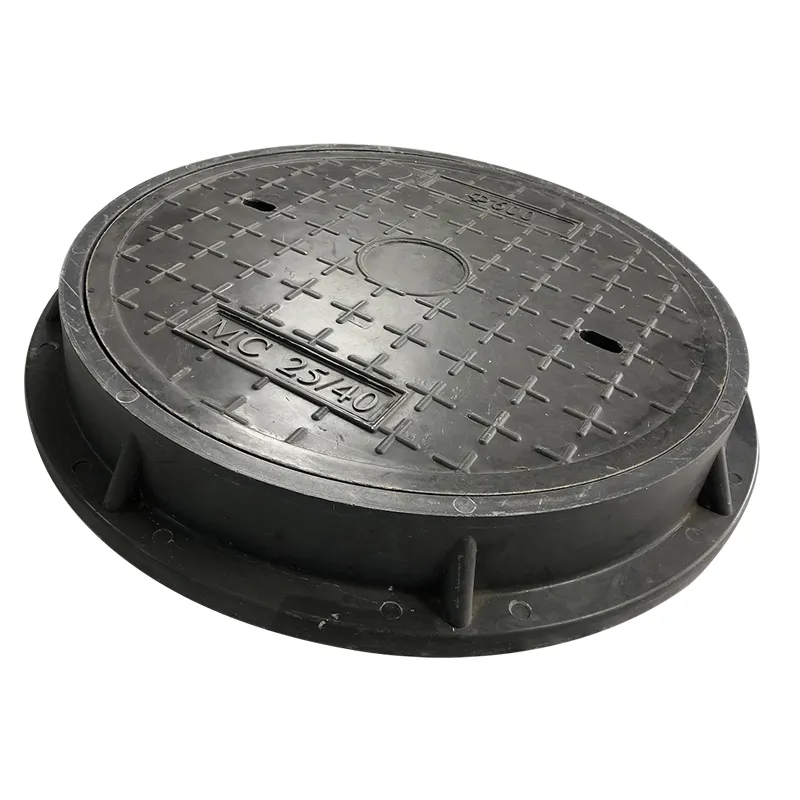
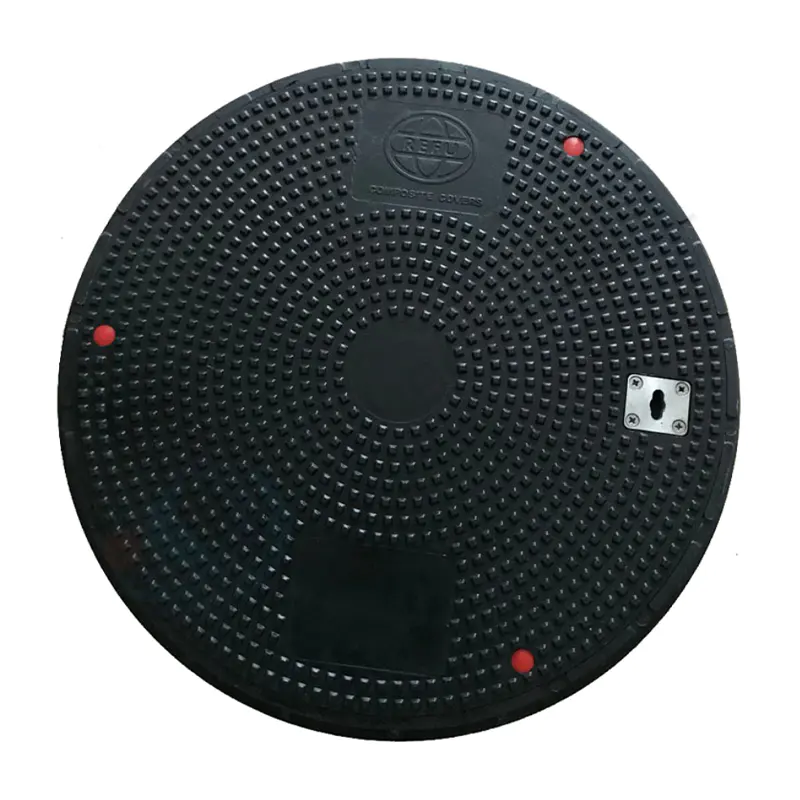
Round GRP access covers are the most common shape for manholes and utility access points. Their circular design distributes load evenly and eliminates the risk of the cover falling through the opening. Standard round diameters include:
| Diameter (mm) | Diameter (inches) | Typical Application | Common Load Class |
|---|---|---|---|
| 300 | 12" | Light-duty inspection, cable access | A15 |
| 400 | 16" | Pedestrian walkways, garden access | A15 – B125 |
| 450 | 18" | Footpaths, light traffic areas | B125 |
| 500 | 20" | Pedestrian zones, cycle paths | B125 – C250 |
| 600 | 24" | Standard manhole access, driveways | C250 – D400 |
| 750 | 30" | Heavy-duty road access, industrial | D400 |
| 900 | 36" | Large utility vaults, airport aprons | D400 – E600 |
Square and Rectangular GRP Access Cover Standard Dimensions
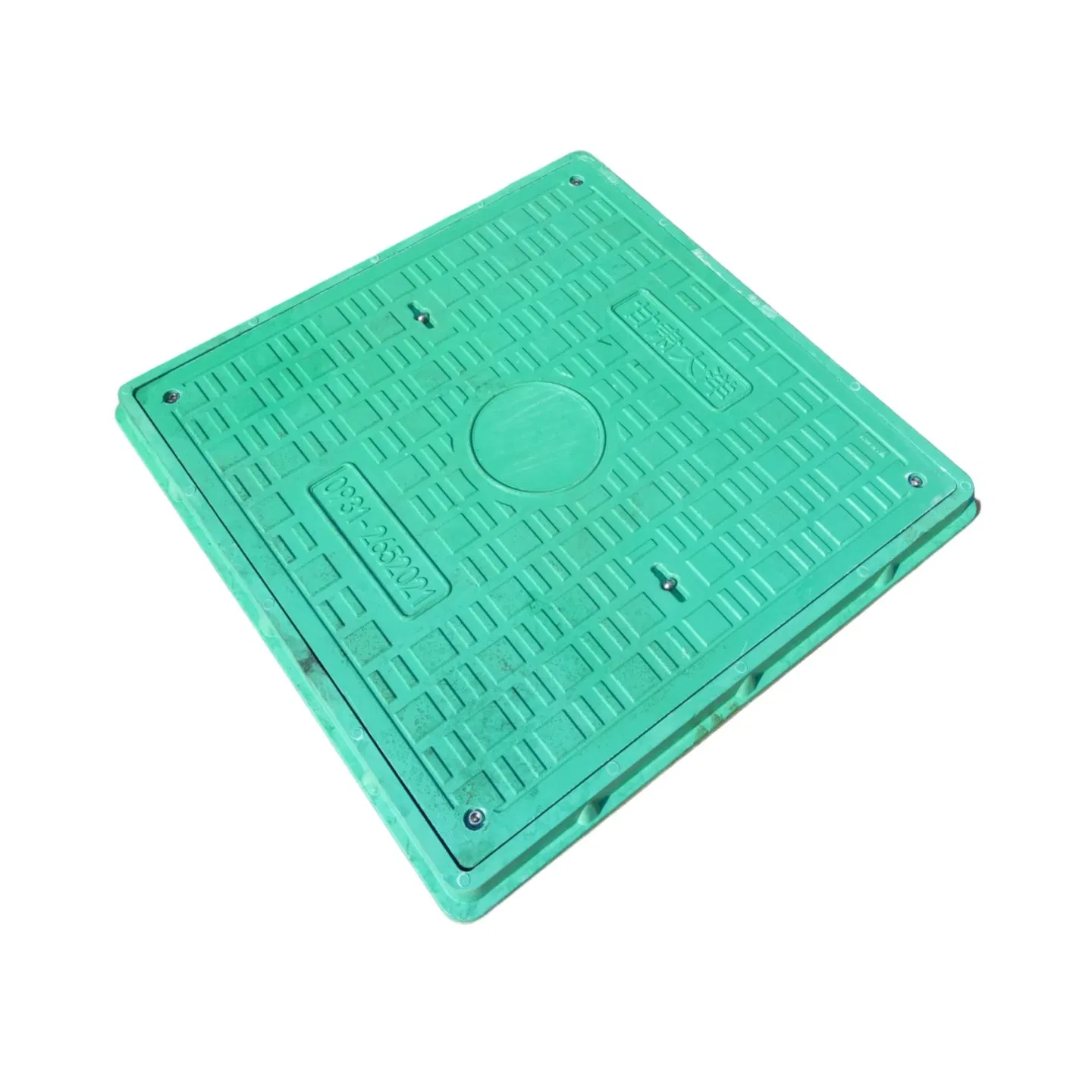
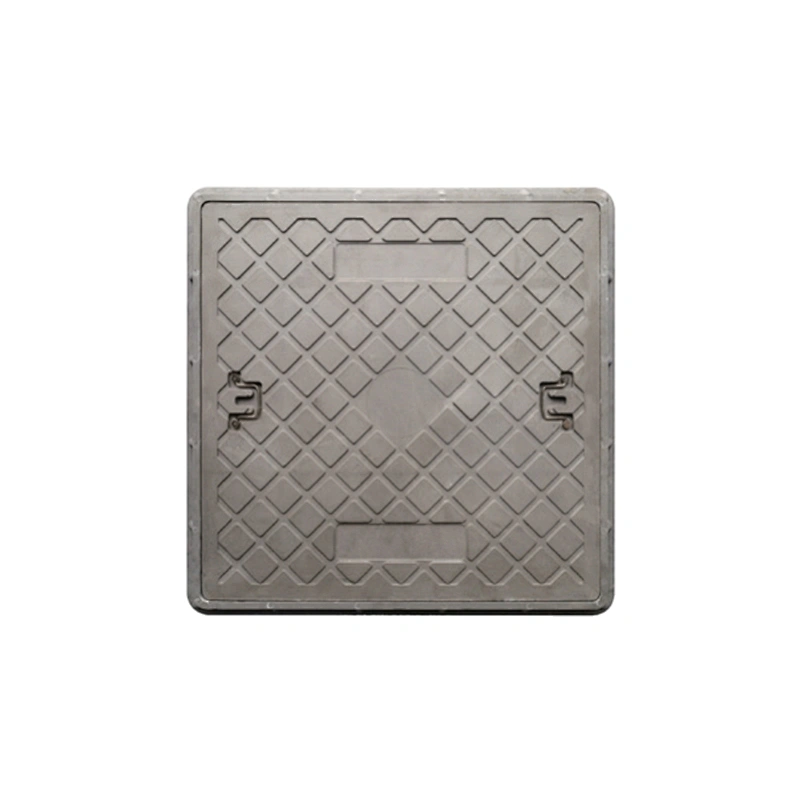
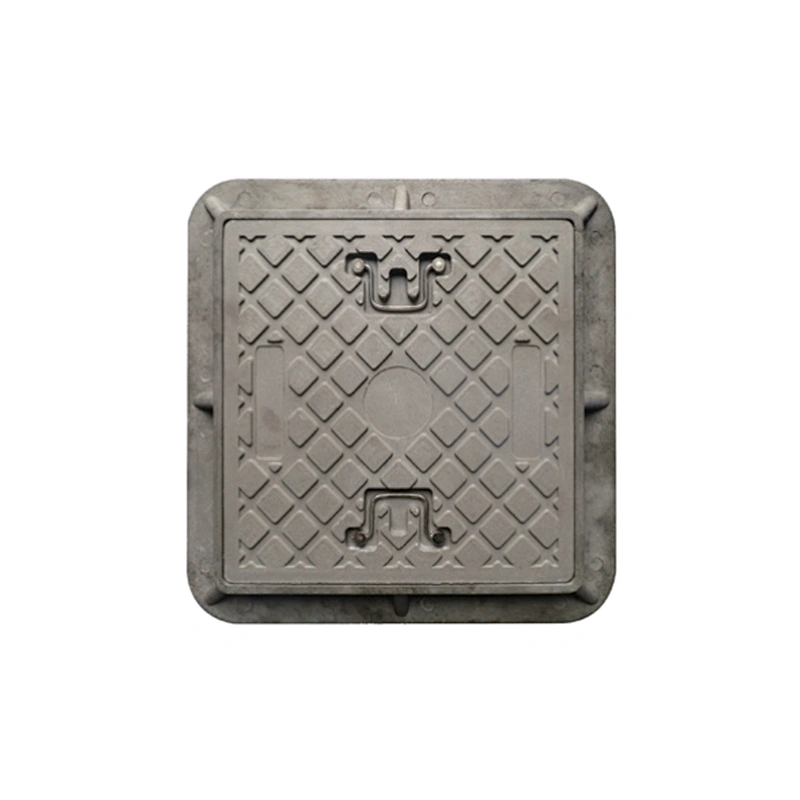
Square and rectangular covers are preferred for drainage channels, trench covers, and areas where the frame must fit into a paved or tiled surface. Standard sizes include:
| Size (mm) | Size (inches) | Typical Application | Common Load Class |
|---|---|---|---|
| 300 x 300 | 12" x 12" | Small inspection points, cable pits | A15 |
| 400 x 400 | 16" x 16" | Pedestrian access, light utility | A15 – B125 |
| 450 x 450 | 18" x 18" | Footpath access covers | B125 |
| 500 x 500 | 20" x 20" | General utility, pedestrian areas | B125 – C250 |
| 600 x 600 | 24" x 24" | Standard square access, driveways | C250 – D400 |
| 750 x 600 | 30" x 24" | Drainage channels, trench covers | C250 – D400 |
| 900 x 600 | 36" x 24" | Industrial access, loading bays | D400 |
| 1200 x 900 | 48" x 36" | Large equipment access, vaults | D400 – E600 |
GRP access cover sizes in the 600 mm range (both round and square) are the most widely specified worldwide, balancing accessibility, load capacity, and ease of installation. For pedestrian walkways, a 400–500 mm round or 400 x 400 mm square cover at B125 load class is the standard choice.
GRP Access Cover Sizes by Application
Different applications demand specific dimensions. Choosing the right size is not just about fitting the opening — it also affects safety, load performance, and long-term durability.
Pedestrian Walkways and Light-Duty Areas
For pedestrian walkways, footpaths, and public plazas, the standard GRP access cover size is typically 400 mm to 500 mm round or 400 x 400 mm to 500 x 500 mm square. These dimensions provide sufficient access for inspection while maintaining a small footprint. The load class is usually A15 or B125, which supports pedestrian and light vehicle traffic. The non-slip surface of GRP covers makes them ideal for wet or high-traffic pedestrian zones.
Drainage and Utility Access
Drainage systems and utility vaults often require larger covers to allow personnel and equipment to enter. Standard sizes for these applications include 600 mm round covers and 600 x 600 mm or 750 x 600 mm rectangular covers. For mainline drainage access, the GRP access cover installation guide typically recommends a C250 or D400 rated cover to withstand vehicle loads while still providing lightweight handling. The larger the cover, the easier it is for workers to enter and exit — but the cover must also be thicker and more reinforced to maintain its load rating at larger spans.
For deep utility vaults or pump stations, 900 mm round or 900 x 600 mm rectangular covers are common. These sizes allow full body access and equipment lowering. When specifying for drainage systems, always verify the clear opening size — the actual access hole — not just the outer frame dimension.
Load Rating vs. Size Relationship
The relationship between GRP access cover sizes and load rating is direct and critical. As the cover span (diameter or side length) increases, the cover must be thicker and use higher-density glass reinforcement to maintain the same load class. Here is how it works:
- Small covers (300–450 mm): These can achieve high load ratings (C250, D400) with relatively thin profiles (25–40 mm) because the short span limits bending stress. They are often used for shallow inspection chambers.
- Medium covers (500–750 mm): The most common range for general access. A 600 mm round cover at D400 typically requires a 40–50 mm thick moulding with integrated ribbing. The same size in A15 or B125 can be as thin as 25–30 mm.
- Large covers (900 mm and above): These require significant reinforcement to prevent deflection under load. A 900 mm D400-rated cover may be 60–80 mm thick and include internal steel reinforcement or multi-layer glass mat construction. For E600 or F900 ratings, specialist engineering is often needed.
Always consult the manufacturer's load deflection data when selecting a large cover for heavy-duty applications. Simply matching the outer dimensions is not enough — the cover must be structurally rated for the expected traffic load.
EN124 classes commonly paired with GRP access covers include:
- A15: Pedestrian areas, cycle paths — 15 kN test load
- B125: Footpaths, car parks — 125 kN test load
- C250: Kerbside, slow traffic zones — 250 kN test load
- D400: Roadways, highways — 400 kN test load
- E600: Warehouses, industrial docks — 600 kN test load
Note that not every size is available in every load class. A 300 mm cover can be certified up to D400, but a 1200 mm cover at D400 is rare and typically a custom product.
How to Measure and Choose the Right GRP Access Cover Size
Measuring for a Replacement Cover
If you are replacing an existing access cover, accurate measurement is critical. Follow these steps to measure for a GRP access cover replacement:
- Measure the clear opening: This is the hole in the frame or chamber where the cover sits. Measure both length and width (or diameter for round covers). This determines the cover size you need.
- Measure the frame seat width: The ledge where the cover rests. GRP covers typically need a 25–40 mm seating ledge. If the existing frame is in good condition, you may only need to replace the cover.
- Check the depth: Measure the depth available for the cover and frame assembly. GRP covers are 25–80 mm thick depending on load class.
- Verify bolt hole positions: If the cover uses security bolts, measure the hole center distances.
- Take photos: Document the existing installation, including any damage, to help the manufacturer recommend the correct replacement.
When measuring for a new installation, always work from the chamber or frame manufacturer's drawings. If you are unsure, order a cover with a frame — the frame adapts to the opening, and the cover is factory-matched to the frame.
Custom Sized GRP Access Covers
Yes, you can get custom sized GRP access covers. Because GRP is a molded material, manufacturers can produce virtually any dimension using custom tooling. Custom sizes are common for:
- Non-standard utility vaults and historical infrastructure
- Duct runs with specific width constraints
- Architectural projects requiring exact pavement tile alignment
- Oversized covers for specialized equipment access
Custom covers typically require a one-time mold charge and have a minimum order quantity (MOQ) of 5–20 units. Lead time ranges from 3–6 weeks depending on complexity. When ordering custom GRP access cover sizes, provide the clear opening dimensions, required load class, any anti-slip requirements, and bolt/fastener details. Most manufacturers can also match RAL colors for aesthetic integration.
How to choose the right size GRP access cover for your project: Start by determining the clear opening needed for access (personnel entry, equipment, or tool access). Then verify the load class required for the traffic type. Third, check if a standard size matches — standard sizes are always cheaper and faster. Only if no standard fits should you proceed with a custom order.
Installation Considerations for GRP Access Covers
Once you have selected the correct GRP access cover size and load class, proper installation ensures long-term performance. Here are the key installation considerations:
- Tools needed: Standard tools include a lifting key or hook, rubber mallet, spirit level, measuring tape, sealant gun, and mixing paddle for epoxy or mortar. For heavy covers (over 40 kg), a lifting device is recommended.
- Frame preparation: Clean the chamber rim thoroughly. Remove old sealant, debris, and loose concrete. The frame must sit on a level, load-bearing surface.
- Sealing: The proper way to seal a GRP access cover during installation is to apply a flexible polyurethane or epoxy sealant to the frame seat before placing the cover. This prevents water ingress and debris accumulation while allowing thermal expansion.
- Bedding: For new installations, bed the frame in a fast-setting mortar or epoxy grout. Ensure the frame is level — even a 2 mm tilt can cause cover rattling or poor seating.
- Curing time: Allow the bedding material to cure fully (typically 24–48 hours) before applying traffic loads. Premature loading can shift the frame.
How long does it take to install a GRP access cover? A straightforward replacement — swapping an old cover into an existing frame — takes 15–30 minutes. A full installation with new frame and bedding takes 1–2 hours plus curing time. For large-scale projects, professional installation is recommended to ensure compliance with EN124 standards.
Can I install it myself or hire a professional? For standard pedestrian covers under B125, a competent DIY installer can manage. For roadway covers (C250 and above) or covers in critical infrastructure, always hire a professional contractor familiar with traffic management and load testing requirements. Incorrect installation of a D400 cover on a road can lead to cover dislodgement and serious safety hazards.
For a detailed step-by-step GRP access cover installation guide, refer to our dedicated installation article which covers drainage system installation, sealing techniques, and frame alignment in greater depth.
Conclusion
Selecting the right GRP access cover sizes is the foundation of a successful access cover specification. Standard dimensions from 300 mm to 1200 mm cover the vast majority of pedestrian, drainage, utility, and roadway applications. Round covers offer superior load distribution, while square and rectangular covers provide better integration with paved surfaces.
Remember these key takeaways:
- The 600 mm size (round or square) is the most versatile and widely available standard dimension.
- Always match the load class (A15 through F900) to the expected traffic type — never oversize without verifying structural capacity.
- Measure the clear opening, not the outer frame, when ordering a replacement.
- Custom sizes are available but require longer lead times and higher minimum orders.
- Proper installation with correct sealing and bedding is essential for safety and durability.
Need help selecting the perfect GRP access cover for your project? Contact our team for expert advice on dimensions, load ratings, and pricing. Browse our full product range to explore standard and custom options.